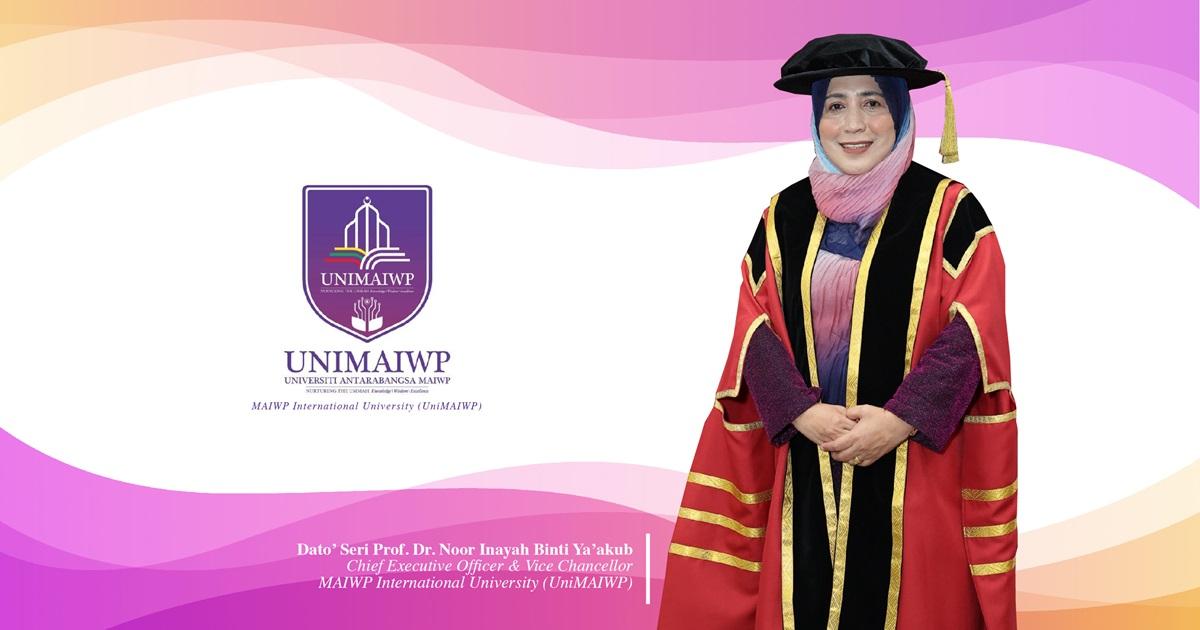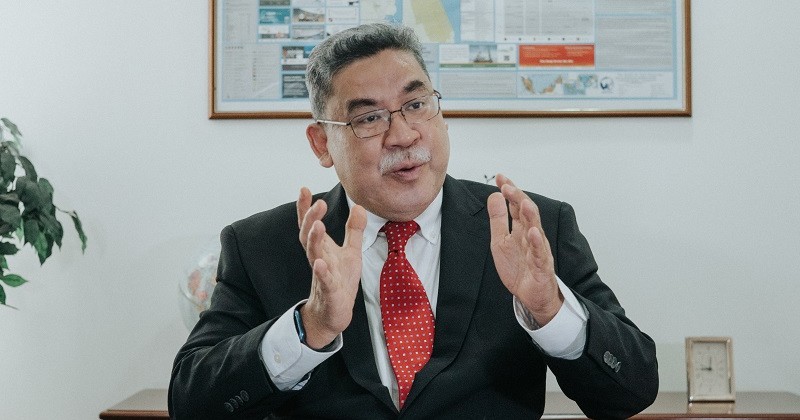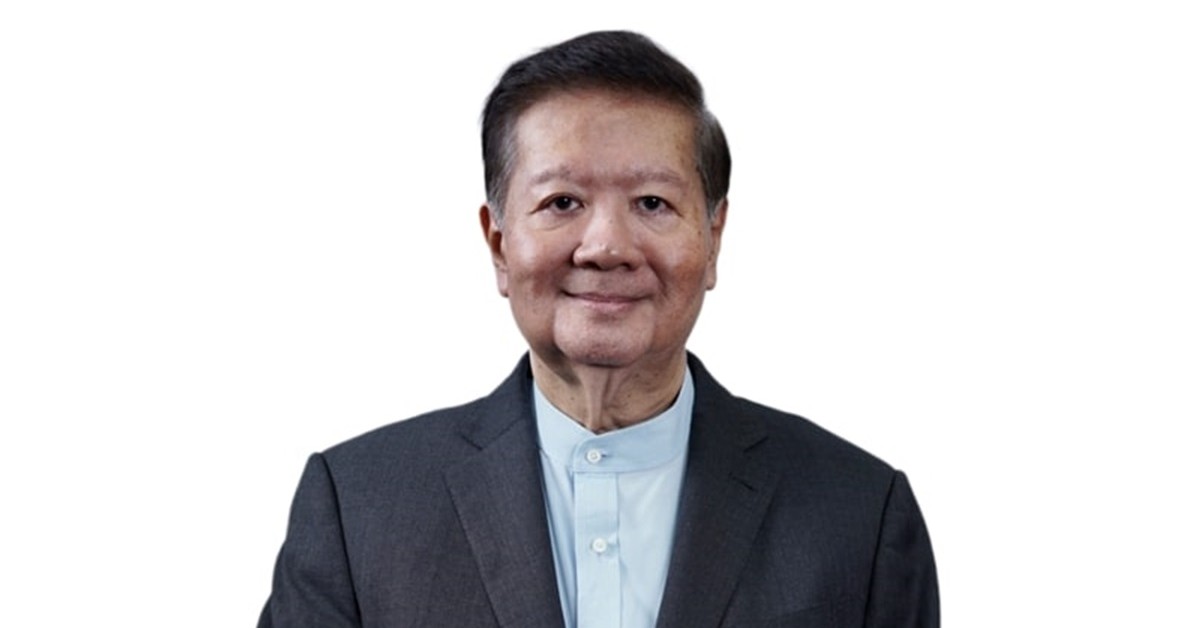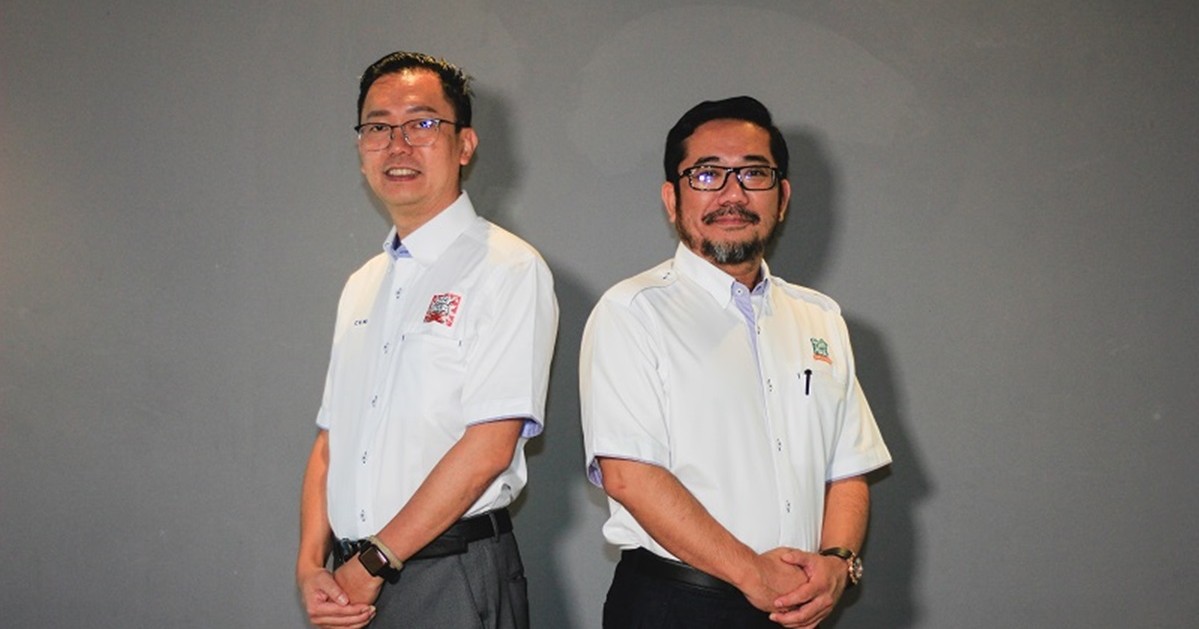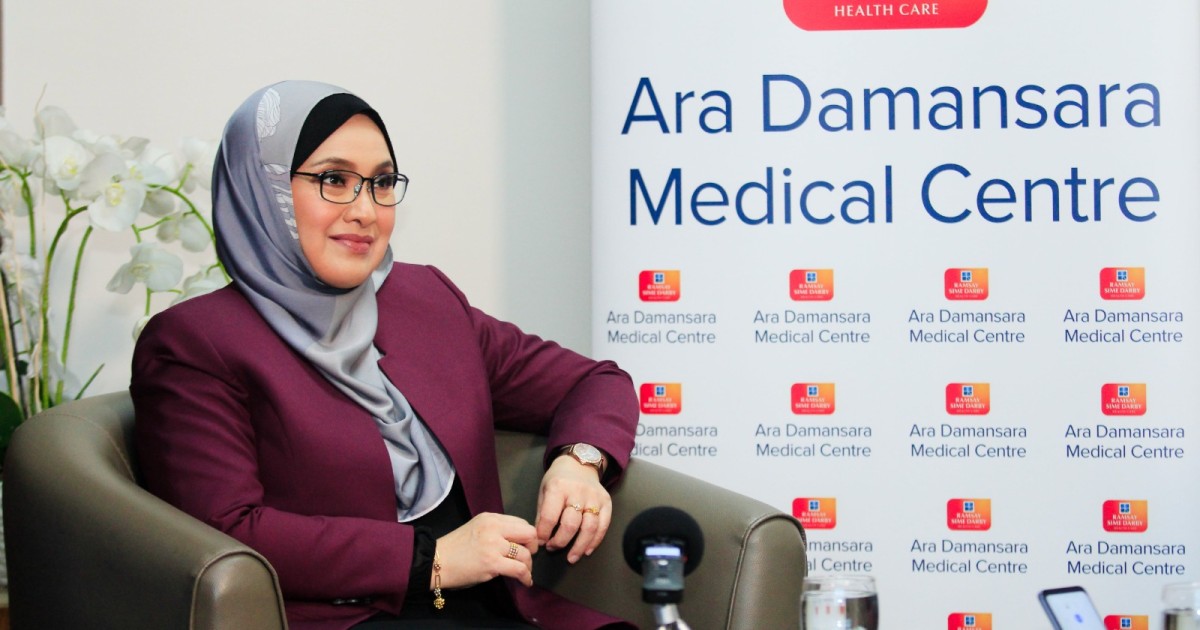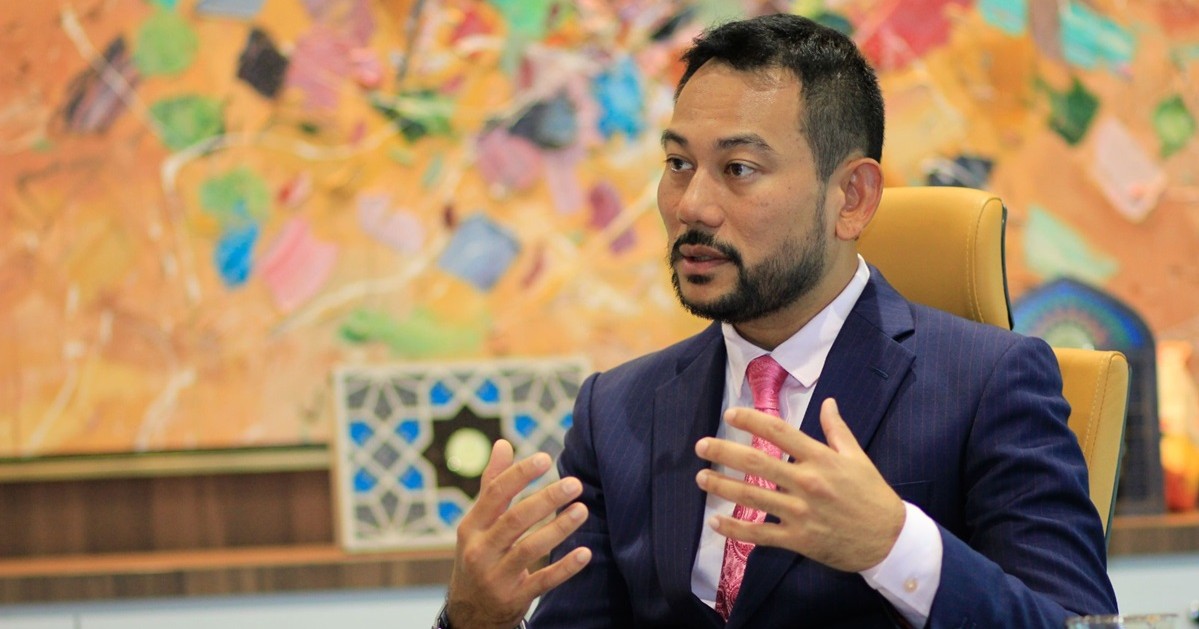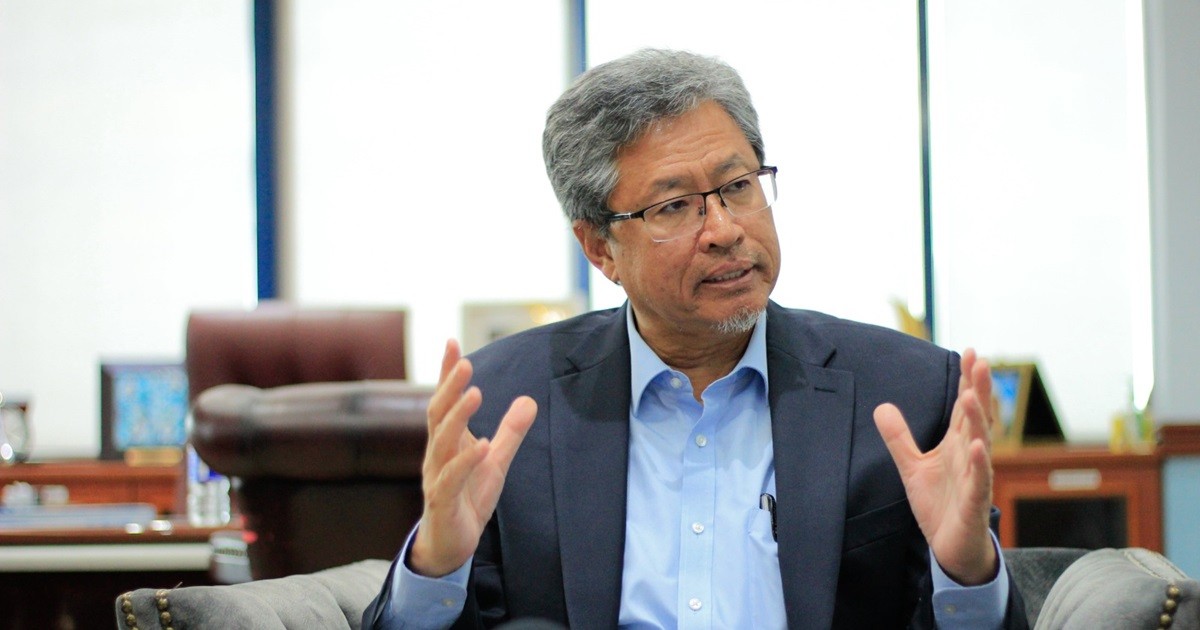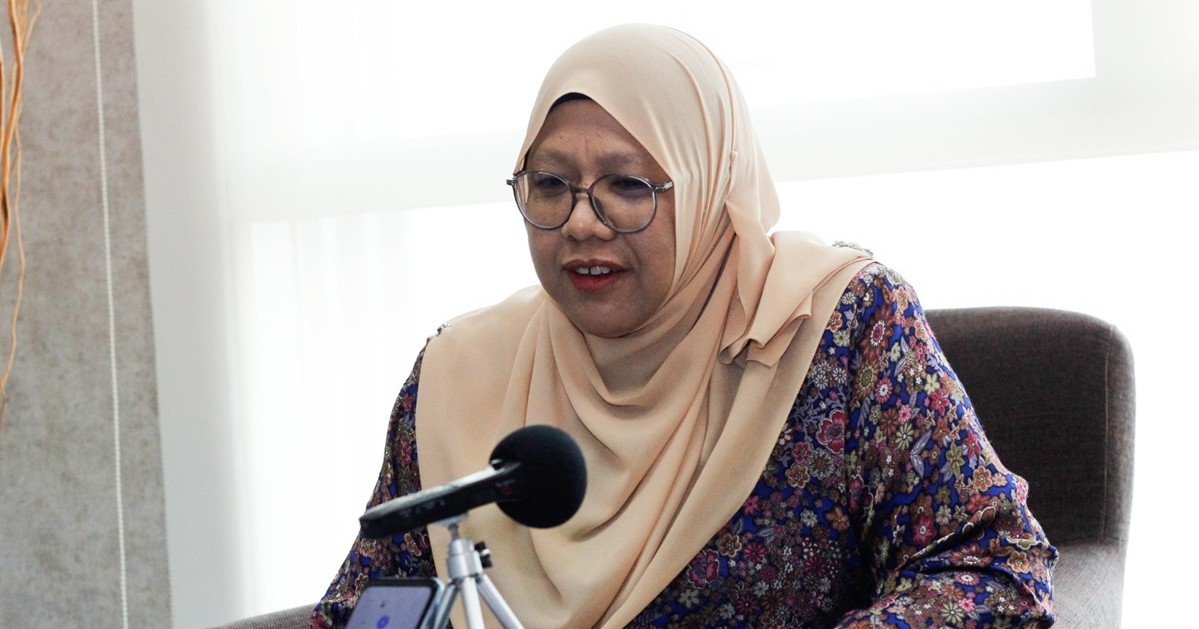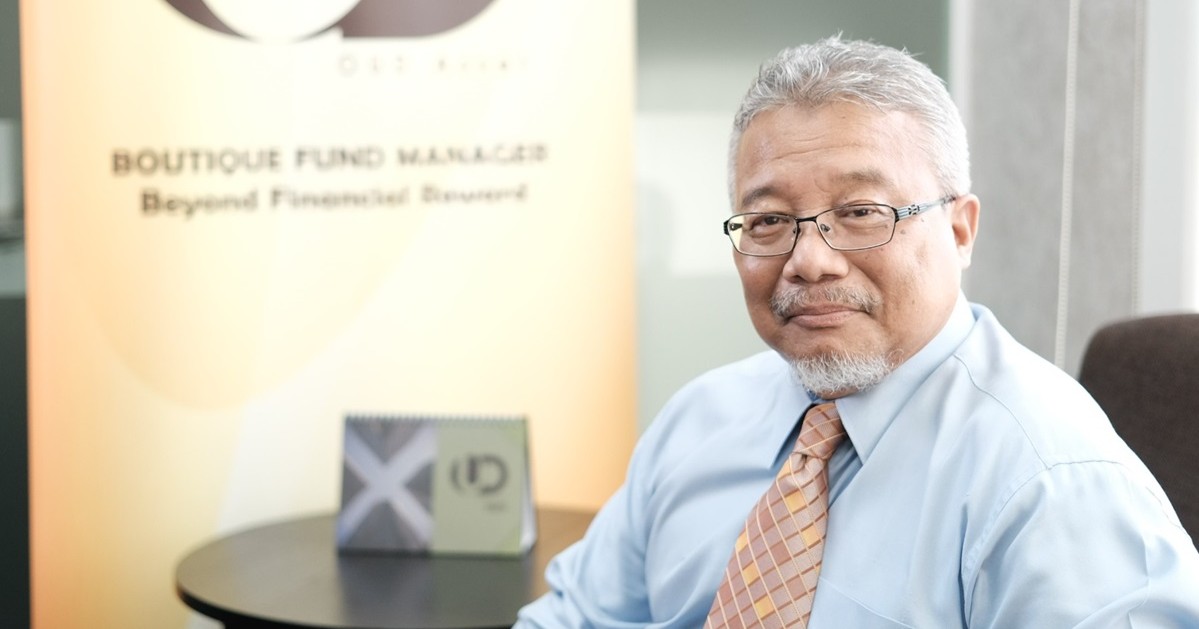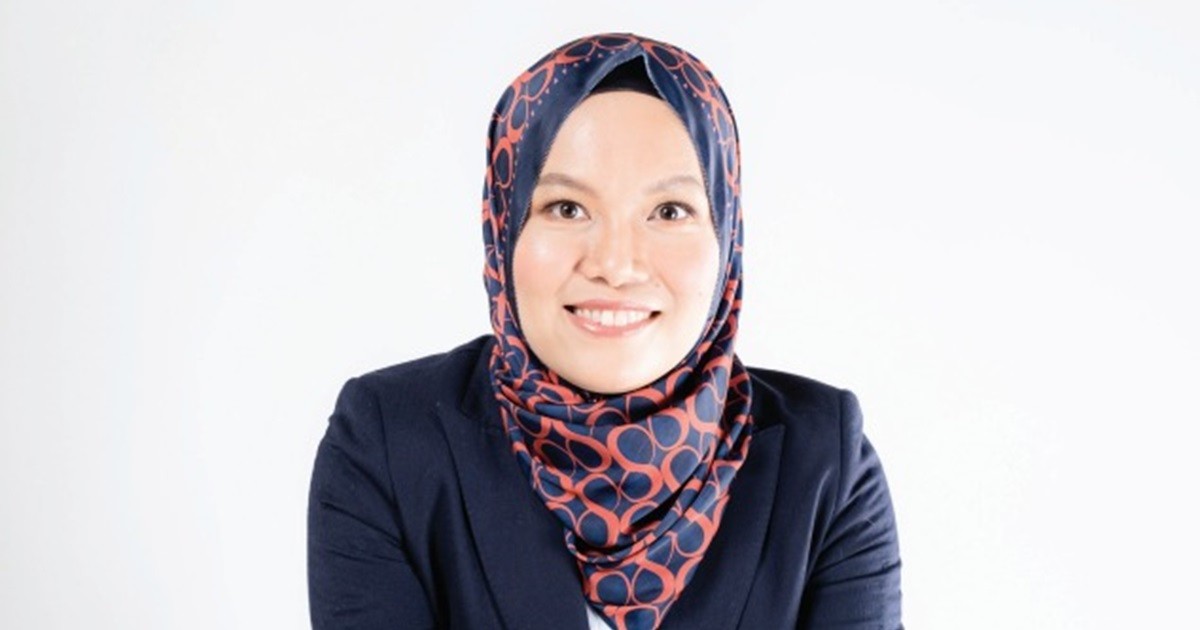




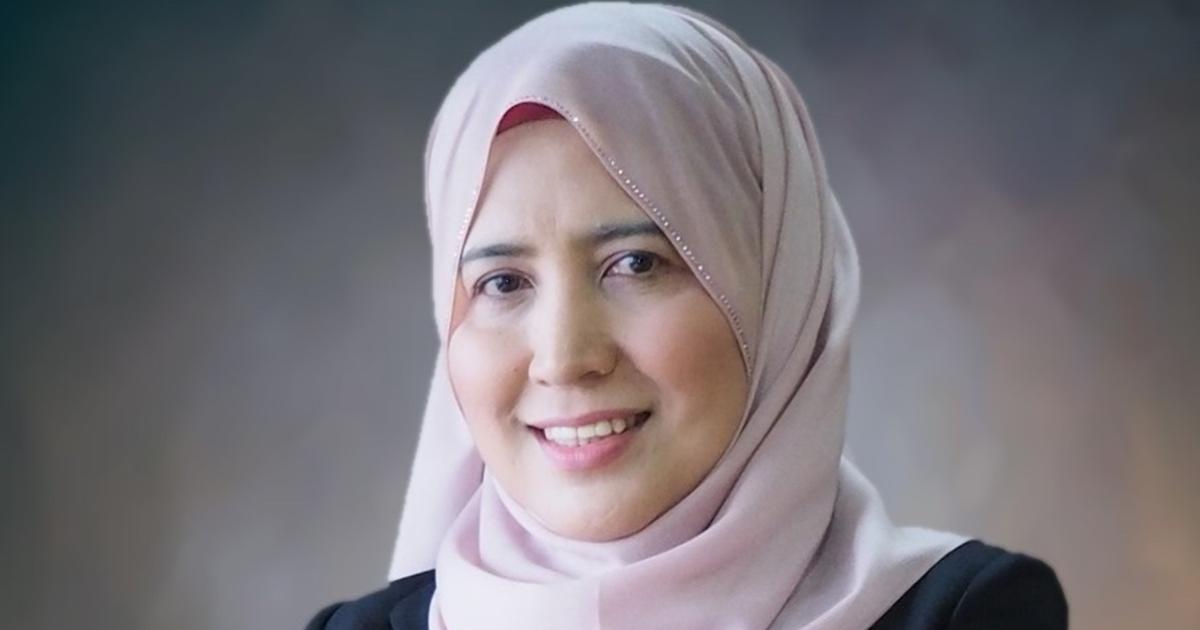
In a world where education often feels driven by numbers, rankings, and competition, YBhg. Dato’ Seri Professor Dr. Noor Inayah binti Yaakub stands out for a very different reason, she leads with heart. Her philosophy is simple yet profound: Live to Give. And it is this spirit of service, sincerity, and compassion that has shaped every chapter of her remarkable journey.
As the CEO of MAIWP International University (UniMAIWP), she carries the responsibility of uplifting the B40 community, strengthening Islamic values in modern education, and building a research ecosystem unlike anything Malaysia has seen. Under her leadership, the university has established the ground breaking Institute of Renal–Brain (IRB), a world-first initiative merging neuroscience, renal science, psychology, and law, a bold reflection of her belief that healing must be holistic, ethical, and human.
Soft-spoken yet formidable, humble yet visionary, YBhg. Dato’ Seri Professor Dr. Noor Inayah embodies a rare blend of intellect and compassion. She speaks with sincerity, leads with integrity, and thinks far beyond her own time. Her mission is not just to educate, it is to uplift, to protect, and to leave behind a legacy rooted in good deeds.
In this exclusive conversation, she opens up about her personal journey, her values, her vision for the Ummah, and the radical transformation she is steering at MAIWP International University (UniMAIWP). What emerges is not just a portrait of a leader, but of a woman whose life itself is a devotion to service.
1) UCMI has received Ministry approval to transition into a full-fledged university. How do you envision this shaping its next chapter, academically, internationally and nationally?
The transition into International MAIWP University is a defining moment for us. It represents more than an administrative upgrade, it signals a transformation in mindset, ambition and direction. As a university, we gain greater academic independence and the freedom to chart our own journey. This allows us to reorganise our faculties, strengthen quality assurance frameworks and introduce new programmes that reflect the real needs of society, particularly the B40 community that we serve. With independence comes responsibility and we are stepping into this new chapter with a clear sense of purpose.
One of the most important areas we are refining is our research identity. We do not want to replicate what other universities are already doing; instead, we aim to carve out a unique niche that resonates with our mission. This is why the Institute of Renal–Brain (IRB) plays such a central role in our transformation. It reflects a depth of inquiry that is both medically relevant and socially meaningful. By focusing on how renal conditions affect brain function and decision-making, we are opening a research frontier that very few institutions globally have explored.
Internationally, this transition strengthens our credibility. At UCMI, we were already building partnerships and gaining recognition. But as MAIWP International University (UniMAIWP), we stand at a higher platform where our collaborations with institutions like Oxford carry more academic weight. Our recognition as a training service provider with Oxford is a huge milestone. It allows industries to trust us on a level that would previously have been difficult for a smaller institution.
Nationally, our evolution also positions us to contribute more meaningfully to policy development and community advancement. As a university grounded in Islamic values and dedicated to the B40 community, our perspectives and research can help inform national conversations on healthcare, ethics, education and social mobility. We aspire to serve not only our students but also the nation through advisory roles, community engagement and evidence-based recommendations.
Ultimately, this transformation marks our entry into a new era, one where excellence, compassion, faith and scientific innovation converge. MAIWP International University (UniMAIWP) will stand as an institution that uplifts the poor, empowers young people, advances knowledge, and contributes to Malaysia’s higher education landscape with dignity and purpose.
2) How does MAIWP’s vision shape the direction of the new university, especially in integrating Islamic values with global relevance?
MAIWP International University’s(UniMAIWP) vision is deeply rooted in the values of compassion, social justice, and service and these values naturally shape our direction as a university. MAIWP International University (UniMAIWP) has always championed the underprivileged, ensuring that resources reach those who need them most. This spirit of giving or amal, permeates everything we do. It influences our academic philosophy, our institutional culture and the strategic priorities we choose to pursue. We do not see education merely as a commodity but as a tool to uplift lives and strengthen communities.
Islamic values do not restrict us; in fact, they broaden our perspective. They remind us that knowledge must serve humanity, that intellect must be preserved and that dignity must be upheld. This means designing programmes that are ethical, holistic and aligned with societal well-being. When we talk about global relevance, we are not simply referring to international rankings or visibility. We aim to produce graduates grounded in strong moral values who can engage confidently with the world, graduates who can balance modernity with spirituality and competence with compassion.
MAIWP International University’s (UniMAIWP) influence can also be seen in our emphasis on inclusivity. Although we are a university rooted in Islamic principles, we serve students from all backgrounds. Our programmes, services and research are open to anyone seeking knowledge. This mirrors the universal message of Islam that goodness, justice, and service transcend boundaries. Every policy we craft, every partnership we forge, and every initiative we launch is guided by a commitment to benefit society as a whole.
At the global level, MAIWP International University’s (UniMAIWP) vision helps us stand out because we are not trying to imitate foreign models blindly. Instead, we are offering a uniquely Malaysian and ethically grounded approach to higher education. This attracts international partners who value integrity, community engagement, and holistic development. Institutions like Oxford, global research organisations and regional partners see in us a university that blends tradition with innovation.
Ultimately, MAIWP International University (UniMAIWP) shapes our identity by reminding us that leadership must be humble, service must be sincere, and educational excellence must be rooted in moral purpose. These principles will guide MAIWP International University (UniMAIWP) as it steps onto the global stage.
3) What inspired the creation of the Institute of Renal–Brain (IRB), and how can its research improve lives?
The inspiration for IRB came from a very real need we observed over a decade of serving dialysis patients. UCMI has operated community dialysis centres for 10 years, and through this experience, we saw how renal problems often affected not just the body, but also the mind. Patients struggled with anxiety, cognitive fatigue and decision-making challenges. Many were making important life choices, including financial decisions and inheritance matters while under immense psychological stress. This raised important questions: How do kidney issues affect brain function? How does physical vulnerability influence judgment? What support systems can help patients and families navigate these challenges?
This intersection between health, psychology and decision-making is what inspired IRB. It became clear that to treat patients effectively, we must understand more than just their medical condition. We must also understand their mental and emotional state. IRB is a response to this gap, a commitment to studying human vulnerability in a holistic, interdisciplinary way. In Malaysia, no institute has explored this connection formally and globally, only Harvard has a neuro institute, but not one that integrates renal research. That makes IRB truly ground breaking.
IRB also reflects my personal academic background. My PhD research in law focused on undue influence, how trust, persuasion and vulnerability shape decision-making. For example, elderly or stressed individuals often rely heavily on people they trust, which can expose them to exploitation. By combining legal concepts with medical research, IRB becomes a platform where we can understand how cognitive vulnerability affects human behaviour and financial decisions.
In practical terms, IRB has the potential to change lives. Its research can help communities understand how to support patients under stress, guide policymakers in designing better healthcare protocols and inform ethical frameworks for financial institutions when dealing with vulnerable clients. IRB can also educate families on how to make compassionate, informed decisions.
Ultimately, IRB is not just a research institute, it is a human institute. It reflects our commitment to understanding people as whole beings: physical, emotional, intellectual, social and spiritual. Through this work, we hope to elevate the quality of healthcare, strengthen public awareness and bring dignity to those facing health challenges.
4) The IRB supports the Maqasid Syariah principle of preserving intellect. How is this applied in real practice?
The protection of intellect (hifz al- ‘aql) is one of the foundational goals of Maqasid Syariah, and IRB is designed to operationalise this principle through real, meaningful research. Many people think of intellect only in terms of academic intelligence, but in Islam, the intellect encompasses emotional balance, ethical reasoning, mental clarity and sound judgment. IRB studies how physical illnesses, especially renal conditions can affect all these dimensions of cognition. This allows us to understand not only medical symptoms but also psychological and ethical vulnerabilities.
By studying how renal challenges affect brain health, IRB helps identify when individuals may be prone to poor decision-making, undue influence, or emotional instability. This is especially important for dialysis patients, the elderly and those under significant stress. Preserving intellect means safeguarding people from exploitation, guiding them toward clarity and supporting them through holistic care that respects their dignity.
IRB’s approach is deeply interdisciplinary. It combines neuroscience, psychology, alternative medicine, education, law and ethics. We have three main clusters, neuro-law, alternative medicine and diagnostics and each includes sub-clusters such as early childhood psychology and educational psychology. This holistic structure shows how protecting intellect is not just a medical task but a societal responsibility that touches many fields.
Through IRB, we also interpret maqasid in a universal way. Islamic values are not meant to benefit Muslims alone. The preservation of intellect is a universal human need. Anyone who is vulnerable, ill, anxious, or dependent on others deserves support and protection. The Prophet’s teachings emphasise serving humanity as a whole and IRB embodies that spirit by addressing mental health, decision-making frameworks and well-being for all.
In practice, IRB also guides our policies, community programmes, and student training. It strengthens healthcare ethics, informs our leadership courses, and builds awareness about mental health. Through these initiatives, we apply maqasid in a way that is modern, scientific, and deeply compassionate, honouring tradition while addressing today’s challenges.
5) How does UCMI’s affordability mission support students from all backgrounds?
Our mission of affordability is rooted in a belief that education should never be restricted to those with financial means. For years, UCMI has offered free foundation programmes, scholarships and very competitive fees to ensure access for all. But affordability is not only about lowering fees, it is about building a system that can sustain these efforts long-term. This is why we follow the Ministry’s call to develop a third income stream through philanthropy. Education must be supported by a sustainable model of charity, endowment and community contribution.
To institutionalise this, I established the Center for Philanthropy. In a short time, we have already raised over RM2 million dedicated solely to free education. But what makes philanthropy powerful is the principle of preservation. We do not spend the principal amount. We invest it in low-risk instruments and use only the returns to sponsor students. This means that a RM1 million donation can generate RM70,000 or more annually enough to support dozens of B40 students every year. The original RM1 million remains untouched and continues generating impact indefinitely.
This model mirrors the endowment structures of Cambridge, Oxford and other centuries-old universities, which have sustained free or affordable education through structured giving. It proves that long-term generosity is possible when institutions manage contributions with integrity, responsibility, and transparency. The more our philanthropic base grows, the more students we can support.
Beyond financial support, affordability reflects our identity and values. We are an institution that prioritises humanity over revenue. We are inspired by global Islamic educational models like Al-Azhar University in Egypt, which offers world-class education for minimal fees because it is sustained by waqf. That model shaped generations of scholars who contributed globally and we hope to mirror that success in Malaysia’s context.
Ultimately, making education affordable is not only about opening doors but also about restoring dignity. Young people who thought university was out of reach can now pursue their dreams confidently and without financial burden. This is the legacy we want to leave.
6) How do international partnerships benefit students and what is your global vision for the new university?
International partnerships are essential in showing our students that the world is bigger than their classroom. Our collaboration with Oxford is one of our proudest achievements. Being recognised by Oxford as a certified training service provider immediately elevates our credibility, making industries more confident in working with us. For a university as young as ours, this recognition opens doors that would otherwise remain closed.
These partnerships allow students access to leadership programmes, international seminars, academic exchanges and global perspectives. Industry players, including Dell Telecom, which joined our 2024 delegation are now willing to collaborate with us because they see the strength of our academic direction and the sincerity of our mission. This practical exposure helps our students stand out in the job market and gives them the confidence to navigate multicultural environments.
My vision for MAIWP International University (UniMAIWP) is to remain grounded in Malaysian values while embracing global standards. We do not want to create graduates who abandon their identity just to fit in globally. Instead, we want students who can proudly carry their cultural and spiritual values into international spaces. This balance between authenticity and global relevance is what makes Malaysia unique and it is what we want to project through our university.
We are also expanding partnerships with regional institutions across Indonesia, China, India, and the Middle East. Our 16 MOUs with Indonesian universities in the field of traditional and alternative medicine reflect our commitment to regional collaboration. These partnerships strengthen IRB’s research networks and position us as a regional authority in integrated health sciences.
In the long term, I envision MAIWP International University (UniMAIWP) becoming a global hub, a place where foreign students, scholars and industries collaborate, innovate and exchange ideas while respecting the cultural and ethical commitments that lie at the heart of our institution.
7) How does your multicultural support system enhance the international student experience?
To create a truly supportive and multicultural environment, we must first understand the emotional reality of international students. Many of them come from close-knit families where parents are deeply involved in their daily lives. When these students arrive in Malaysia, they experience a sudden shift, they are on their own, responsible for finances, decisions and academic performance. Recognising this, I made it a priority to build structures that help them feel safe, welcomed and respected.
One of the first steps I took was establishing the Globalisation Unit, led by a technologist with international experience from Lincoln University. This unit ensures that international students receive pre-arrival guidance, immigration support, academic mentoring, and cultural orientation. In just one year, we grew from 30 international students to 400. For next year, applications have already surpassed 1,000, a sign that our environment is resonating globally.
Integration is essential. We mix international and B40 students through sports activities, cultural programmes, volunteering and academic clusters. Bowling tournaments, badminton matches and student clubs help break barriers and create friendships. Students from Bangladesh, Indonesia, China, the Philippines, India and Malaysia learn from one another, exchange stories about their home countries and gain exposure beyond their own cultural bubble.
What touched me most was the feedback from agents who said:
“We send students here because we trust the leader.”
They choose our university because they believe their children will be safe, respected and guided. This level of trust is something I do not take lightly. It motivates me to be present, accessible and visible to students both local and international.
Malaysia’s multicultural identity also enriches the student experience. Our society is a tapestry of Malay, Chinese, Indian, indigenous and global cultures. By studying here, students learn to adapt, appreciate differences and become globally minded graduates who understand diversity as a strength. This is how we make them feel at home while preparing them for the world.
8) What key moments shaped your professional journey?
My journey has been guided by the unwavering support of the three most important men in my life: my late father, my brother and my husband. When my father passed away, my brother became the guardian who encouraged my education and career. Later, my husband took on that role and not all husbands allow their wives to become who they are destined to be. Mine did. Two weeks after our wedding, I was sent overseas for management training and he supported it wholeheartedly.
Another turning point was my PhD. It was a challenging journey, emotionally, mentally and intellectually but it shaped my resilience and deepened my understanding of human vulnerability through the concept of undue influence. This academic background now forms one of the pillars of IRB, proving that our life experiences often come full circle in unexpected ways.
My early career in public universities taught me the importance of structure, long-term planning and academic integrity. But moving into a mission-driven institution like UCMI allowed me to integrate academic leadership with spiritual purpose and community service. The shift opened my eyes to new forms of leadership, ones rooted in compassion, humility, and human connection.
There were also difficult periods, moments when balancing family, career and personal aspirations felt overwhelming. But these challenges strengthened my empathy, helping me connect with students who struggle, staff who feel burnt out, or families under social pressure. My own struggles remind me that leadership is not only about capability, but also about humanity.
Ultimately, every chapter, the personal sacrifices, the academic pursuits, the administrative challenges has shaped me into a leader who understands that success is not measured by titles but by impact, sincerity and the legacy we leave behind.
9) What leadership values guide your daily decisions and interactions with your team?
Leadership, to me, begins with the heart. Skills can be taught, but sincerity, integrity and humility must come from within. This is why I prioritise psychometric testing when selecting staff for key roles. I want them to have compassion, fairness and emotional maturity. A person with a good heart will make ethical decisions even when no one is watching, while a person with only skills may falter under pressure.
Another core value is transparent communication. In academia, our stakeholders include not only students and staff but also immigration officers, police authorities, health ministries and international partners. Clear communication creates trust and prevents misunderstandings. My team must be able to explain our policies confidently and respectfully, especially regarding student permits, academic standards and welfare issues.
I also believe that leaders must be visible and accessible. I make it a point to interact personally with students and staff. This builds a sense of belonging and removes hierarchical barriers that can stifle communication. People work better when they feel seen, heard and appreciated.
Humility is another guiding principle. As Muslims, we are reminded that we are servants of Allah, nothing more. This keeps me grounded and prevents arrogance. Leadership is not about prestige; it is about responsibility. When we understand this, our decisions reflect humility, empathy and fairness.
Lastly, I believe in empowerment. My role as a leader is not to be the centre of attention but to create other leaders. I encourage my team to take initiative, develop new ideas and own their responsibilities. Leadership must be shared, not hoarded. Only then can an institution thrive.
10) What is your long-term vision for MAIWP International University (UniMAIWP)?
My long-term vision rests on three fundamental pillars: research, academia and community service. Each of these pillars must grow together to form a robust educational ecosystem. Research drives innovation and intellectual growth. Academia ensures quality education, professional ethics and strong student outcomes. Community service grounds us in humility, purpose and social responsibility. When these three elements intersect, a university becomes more than an institution, it becomes a catalyst for national and global progress.
In terms of research, IRB will be our flagship. It brings together neuroscience, renal science, psychology, law, alternative medicine and educational research into one integrated platform. IRB reflects our belief that true healing is holistic, it involves the mind, body, heart, intellect, and community. Through IRB, we aim to develop solutions that address real-world challenges, from healthcare vulnerability to ethical decision-making.
Academically, we want to produce graduates who are competent, compassionate, globally aware and spiritually grounded. Our programmes will emphasise ethics, leadership, interdisciplinary knowledge and community engagement. Students must leave not only with a degree, but with character and purpose.
For the Muslim ummah, our goal is to uplift communities by providing affordable education, accessible healthcare and research that honours Islamic values while serving universal needs. We want to model how Islamic principles can coexist beautifully with scientific innovation and global relevance.
On the national level, we aim to support Malaysia by contributing research insights to ministries, strengthening partnerships with industries and becoming an institution known for excellence and integrity. We want the government to look to us as a source of trustworthy knowledge and solutions.
Ultimately, my vision is for MAIWP International University (UniMAIWP) to stand as a beacon of goodness, a place where intellect is nurtured, humanity is served and knowledge is used to heal and uplift society.
11) How do you nurture and empower others, especially women and young leaders?
I believe empowerment begins with trust. When people feel trusted, they grow. I give my staff genuine opportunities to lead projects, represent the university and make decisions. This builds confidence and teaches accountability. I also ensure they are supported with training, mentoring and constructive feedback. Leadership cannot develop in fear, it develops in environments that encourage courage and learning.
For women, empowerment often requires dismantling cultural expectations that limit their confidence. Many young women doubt themselves because they were taught to be modest, quiet, or fearful of leadership roles. I make it a point to remind them that Islam honours women who contribute to society through knowledge and excellence. I share my own experiences, the struggles, the successes and the lessons so they know they are not alone.
I also emphasise balance. Women should not feel guilty for wanting both a family and a career. It is possible, with the right support system, discipline and mindset. I encourage women to negotiate shared responsibilities at home, just as I did with my husband, who supported my dreams wholeheartedly. This sets an example for younger generations that partnership is the foundation of a strong family.
With students, empowerment begins with exposure. I ensure they have opportunities to interact with international leaders, attend professional events and learn from global experiences. Many international students tell me they chose our university because they trust the leadership they see online. This trust reminds me that my role is not just administrative, it is inspirational.
At the end of the day, empowerment is about planting seeds. Some seeds bloom immediately; others take years. But if we nurture people with sincerity, the impact will always endure.
12) What drives you personally, and what legacy would you like to leave behind?
What drives me is a simple but profound desire: to die peacefully, knowing I have served others sincerely. As Muslims, we believe that when we leave this world, we take nothing with us except our good deeds. Wealth, titles, positions, none of it matters. But charity, kindness and service continue to benefit us long after we are gone. This belief guides every decision I make, both professionally and personally.
I want to continue serving even beyond the conventional retirement age. As long as I have strength, clarity and purpose, I want to give back to society. The Prophet taught that the one who benefits others is the best of people. These teachings inspire me deeply, reminding me that leadership is not about recognition but about responsibility and compassion.
My legacy, insha’Allah, is to leave behind an institution that uplifts the poor, strengthens the mind and heals the vulnerable and produces leaders of integrity. If MAIWP International University (UniMAIWP) becomes a place where students feel safe, supported and inspired where research heals humanity, then I will feel that I have fulfilled my role.
On a personal level, I hope to leave behind the memory of a woman who led with humility, kindness and sincerity. A woman who never allowed ego to overshadow purpose. A woman who believed that serving others is the highest form of worship.
And most importantly, I hope my daughter sees that every sacrifice, every long night, every difficult decision, every moment of service was done with love. If my work inspires her and future generations to serve humanity, then that will be my greatest legacy.
- Business News 112
- Country News 16
- Feature News 62
- International News 230
- Interview News 36
- National News 32