



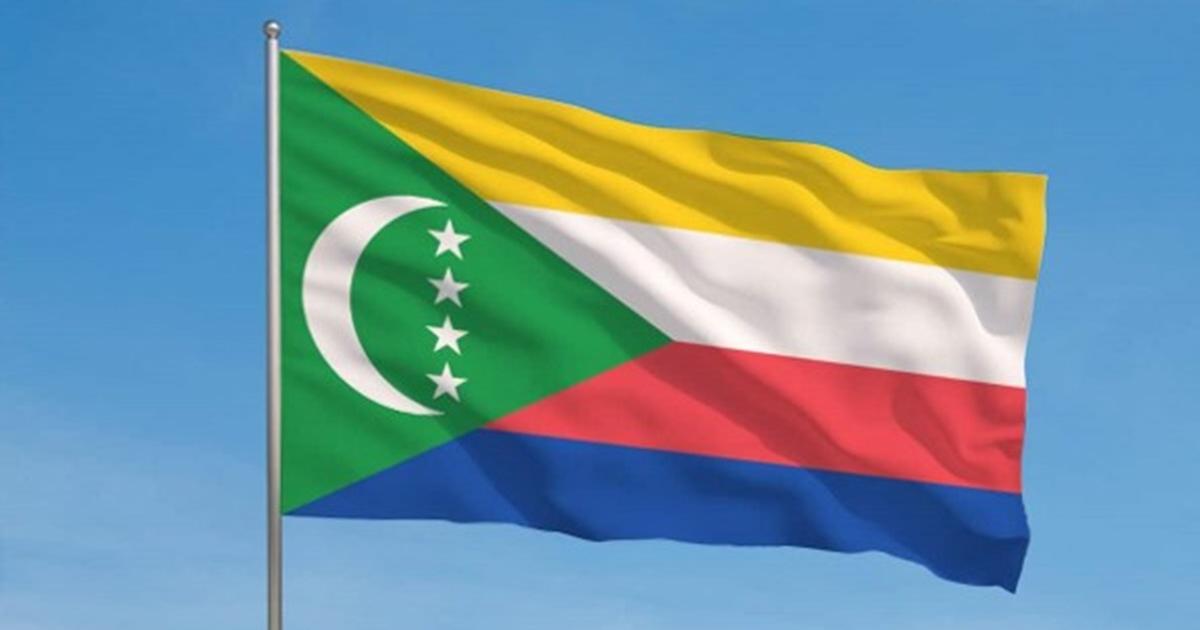
Comoros celebrates Independence Day today, 6 July, recalling the day in 1975 when the island nation declared its independence from France. Across the country, the national flag is displayed with pride as citizens honour sovereignty, shared identity and the efforts of earlier generations. Official programmes, cultural performances, community gatherings and family celebrations give the day warmth and national meaning.
Independence Day is a time to remember the country’s journey and to renew confidence in its future. For Comorians at home and abroad, the anniversary strengthens the bond between people, islands and communities. It also offers a chance to celebrate the values of unity, faith, hospitality and mutual support that remain important in national life.
The Union of the Comoros lies in the Indian Ocean, at the northern entrance of the Mozambique Channel between eastern Africa and Madagascar. The country is formed by three main islands: Ngazidja, also known as Grande Comore; Nzwani, or Anjouan; and Mwali, or Mohéli. Each island has its own local character, yet together they form one nation joined by history, language, religion and the sea.
Moroni, the capital, is located on Ngazidja and faces the blue waters of the Indian Ocean. The city is known for its waterfront, markets, mosques and old quarters that show Arab and Swahili influence. Active Mount Karthala rises above the island and gives Grande Comore a striking natural identity.
Comoros is home to around 867,000 people. Comorian, Arabic and French are official languages, and different forms of the Comorian language are spoken across the islands. The country’s culture reflects African, Arab, Malagasy and Indian Ocean connections created through centuries of travel, trade and family ties. These influences can be heard in language and music and seen in clothing, architecture and food.
Islam has a central place in Comorian society. Mosques, Quranic learning, religious occasions and charitable customs are closely connected with family and community life. Respect for elders, support for neighbours and generous hospitality remain widely valued. As a member of the Organisation of Islamic Cooperation, Comoros is part of a wider community that promotes cooperation in education, development, trade, culture and social welfare.
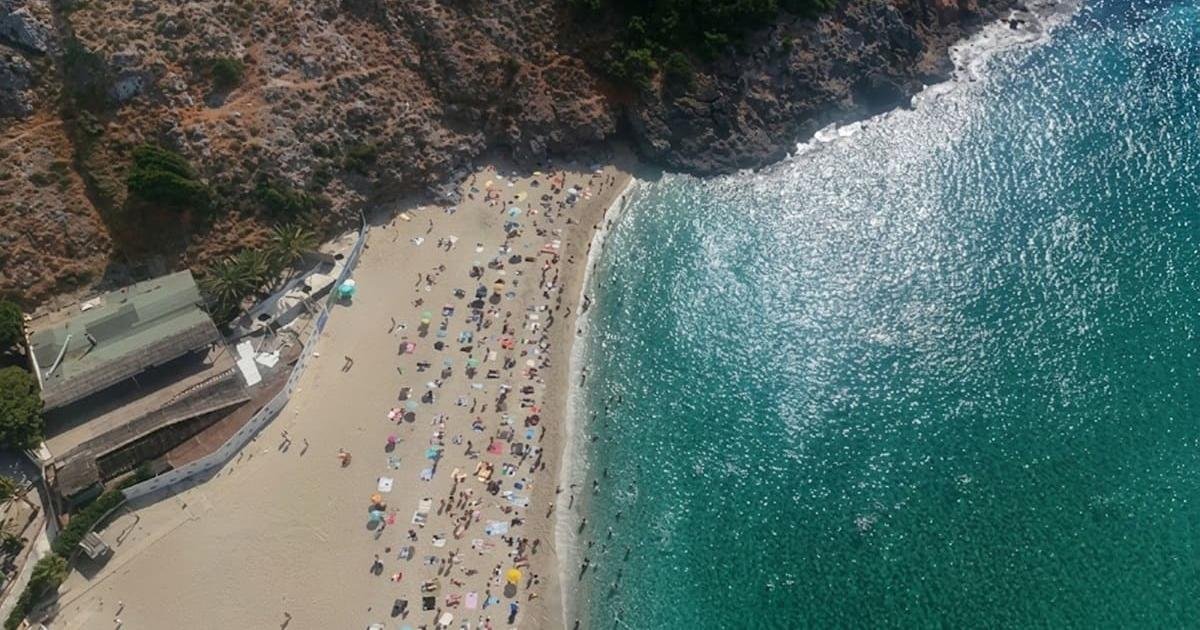
The islands are rich in natural beauty. Green hills, volcanic soil, beaches, coral reefs and clear coastal waters give Comoros strong potential for nature-based tourism and marine activity. Mohéli is especially known for its marine environment, including sea turtles and other wildlife. Protecting the ocean and coastal resources is important for food, jobs, tourism and the wellbeing of future generations.
Agriculture remains a major part of the economy and daily life. Comoros is known for fragrant crops and spices, especially ylang-ylang, cloves and vanilla, while families also grow bananas, coconuts, cassava and other foods. Fishing supports many coastal communities, and services, trade, construction and money sent home by Comorians living abroad also help the national economy.
The sea offers further opportunity for Comoros. Better fishing facilities, port services, marine conservation and responsible tourism can create work while protecting natural resources. Recent development plans also give attention to roads, electricity, health care, education and digital access. These improvements can help connect communities and make it easier for young people and small businesses to succeed.
Comorian culture brings colour to Independence Day. Traditional music, drumming, dance, poetry, embroidered clothing and shared meals are important parts of social celebration. Rice, fish, coconut, cassava, plantain and aromatic spices appear in many local dishes. Weddings and community ceremonies are also known for bringing large groups together and showing the value placed on family honour and social connection.
Young people carry much of the country’s promise. Better access to schools, training, technology and entrepreneurship can help them develop careers in tourism, agriculture, fisheries, public service and creative work. The Comorian community abroad also contributes knowledge, investment and close family support. Independence Day encourages all generations to see national progress as a shared responsibility.
As Comoros marks Independence Day today, it celebrates the freedom of an island nation with a distinct voice and a strong sense of belonging. The country’s strength comes from its people, faith, cultural links and position in the Indian Ocean. For the OIC family and the wider international community, Comoros offers a message of dignity, unity and hope as it works toward greater opportunity and lasting national progress.
- Business News 116
- Country News 16
- Feature News 67
- International News 240
- Interview News 36
- National News 37