



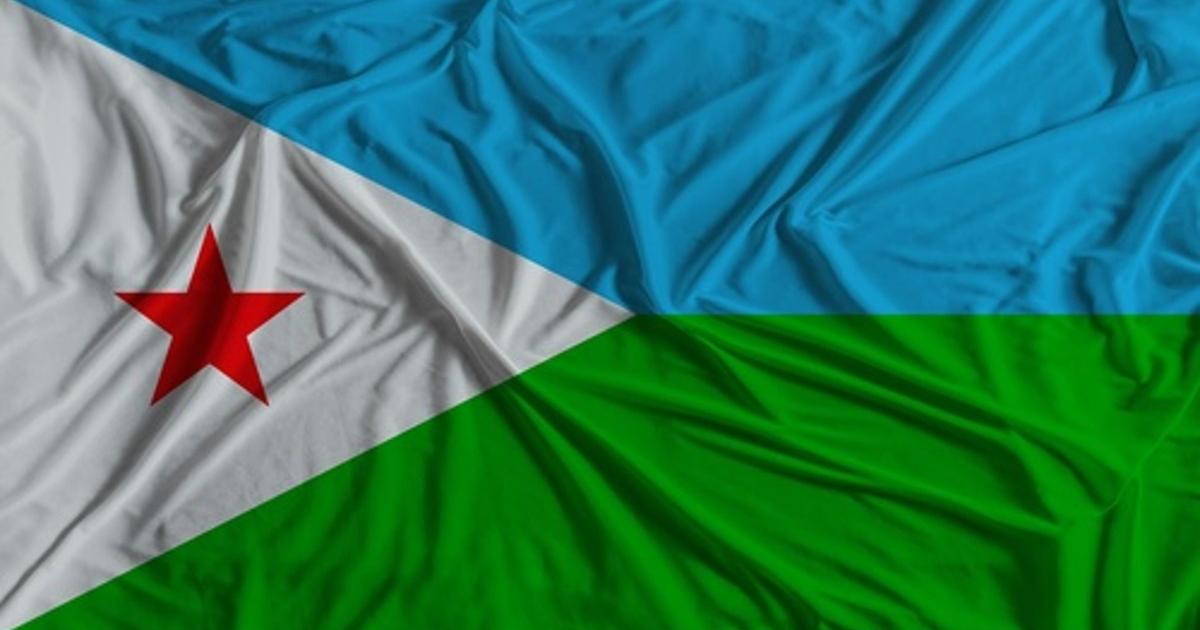
Djibouti celebrates its Independence Day on 27 June, marking the day in 1977 when the country became an independent republic. The anniversary is a proud national occasion for the people of Djibouti, who honour their flag, identity and place in the Horn of Africa. Across the country, the day is observed through official ceremonies, community gatherings, cultural activities and messages of national unity.
Independence Day gives Djibouti a moment to celebrate both its history and its future. The country may be small in size, but its location gives it major regional importance. Situated near the Bab el-Mandeb Strait, where the Red Sea meets the Gulf of Aden, Djibouti stands close to one of the world’s busiest maritime routes. This position has helped shape the country’s economy and its international role.
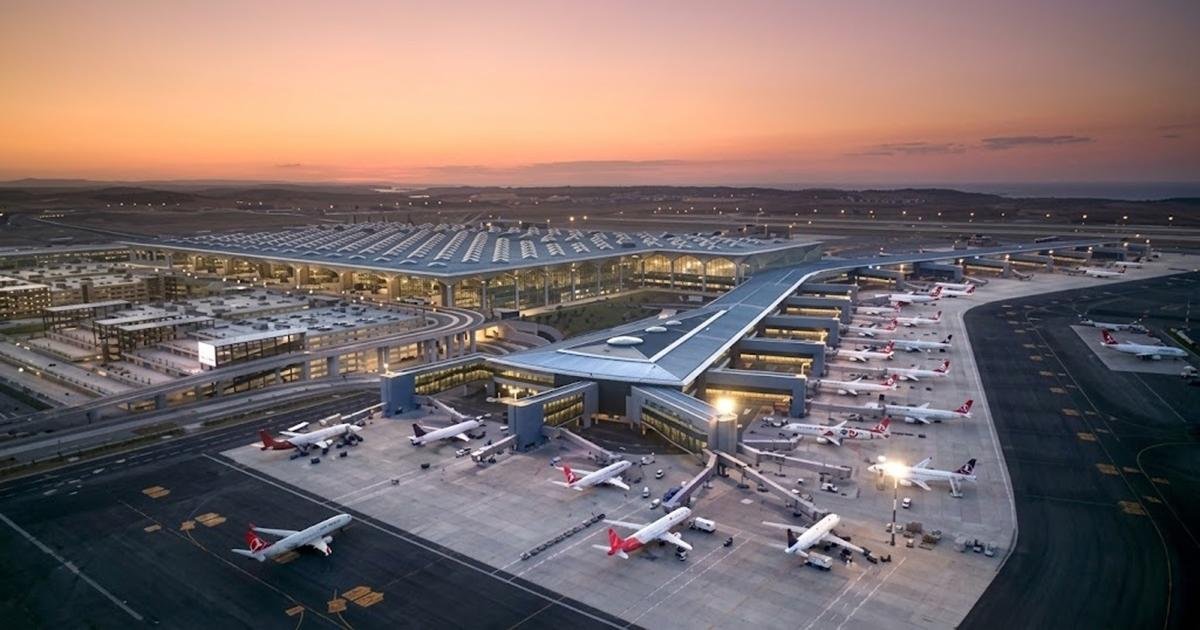
The capital, Djibouti City, is the centre of government, business and transport. It is also the country’s main urban hub and home to the port facilities that support much of Djibouti’s economic activity. Through its ports, rail links and logistics services, Djibouti serves as a key outlet for trade in the Horn of Africa. Its connection with neighbouring Ethiopia is especially important for regional commerce.
The country’s identity is shaped by its people, languages and traditions. Arabic and French are official languages, while Somali and Afar are widely spoken and deeply connected to national life. This mix gives Djibouti a cultural character that links Africa, Arabia and the wider Red Sea region. Family ties, faith, hospitality, poetry, music and community life remain central to society.
Islam has a strong presence in Djibouti and is closely connected with the country’s history and daily life. Mosques, religious learning and social values are important parts of local communities. Djibouti joined the Organisation of Islamic Cooperation in 1978, one year after independence. Its OIC membership reflects its Islamic heritage and its desire to work with other member states on common interests.
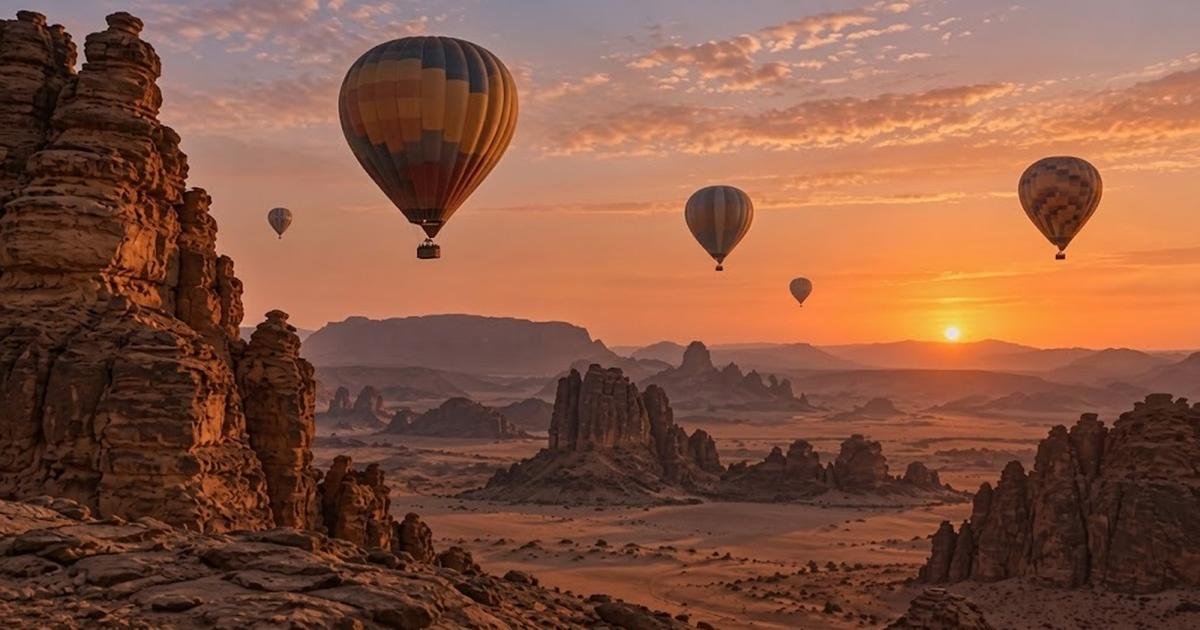
Djibouti’s natural environment is among the most distinctive in Africa. The country is known for volcanic areas, salt lakes, desert plains, coastal waters and marine life. Lake Assal, one of the lowest points in Africa, is a striking natural landmark. The Gulf of Tadjoura and nearby coastal areas also offer opportunities for tourism, diving and marine protection.
The economy is strongly linked to services, especially ports, logistics, transport and trade. Djibouti’s infrastructure connects sea routes with inland markets, making the country an important trade centre for the region. Recent development efforts have focused on strengthening logistics, energy, telecommunications, finance and public services. These sectors support jobs and help the country build a more diversified economy.
Djibouti’s role as a regional gateway gives it a place of growing importance in African and international trade. Goods moving through its ports connect businesses, consumers and industries across borders. This makes transport and logistics more than an economic sector; they are part of Djibouti’s national identity and future planning. The country’s ambition is to use its location to support wider regional growth.
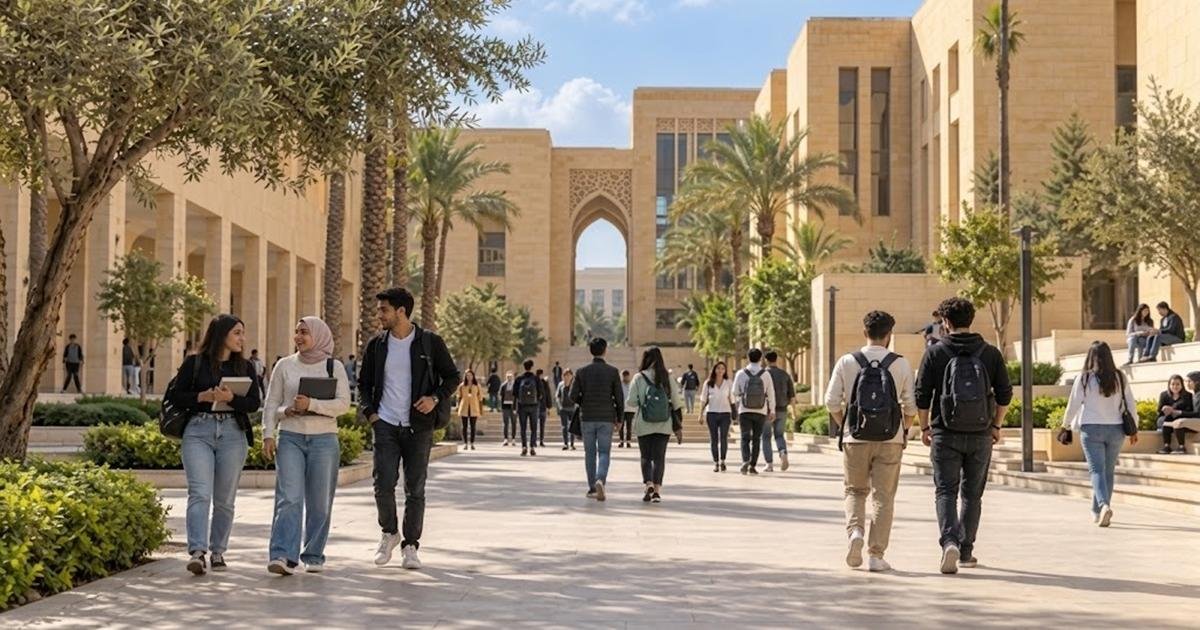
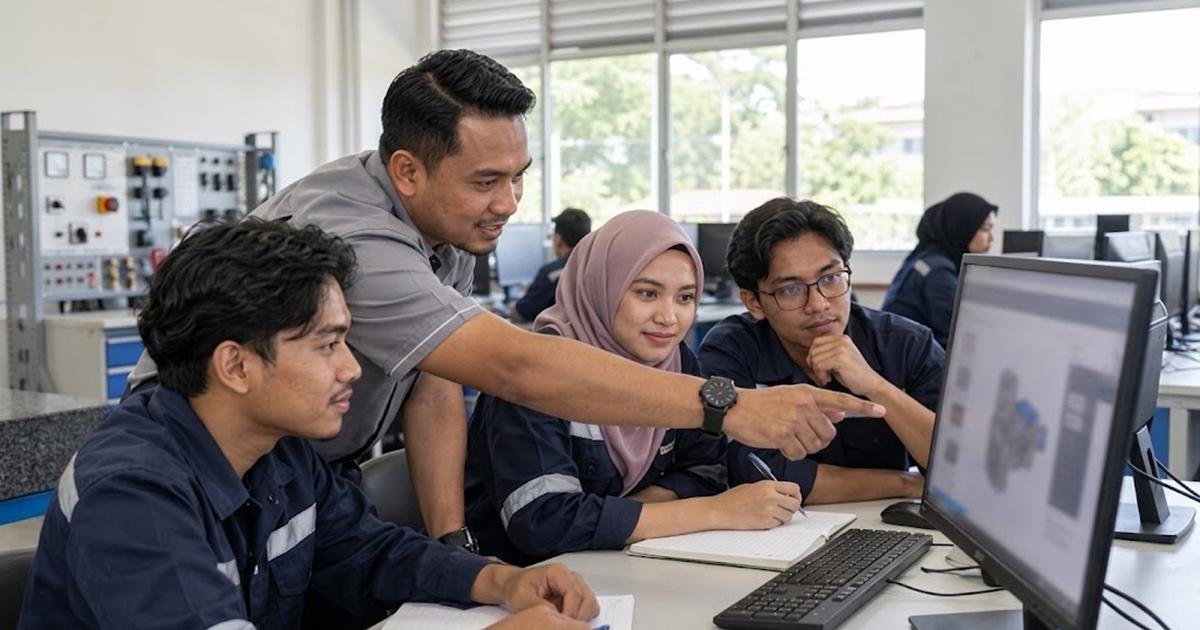
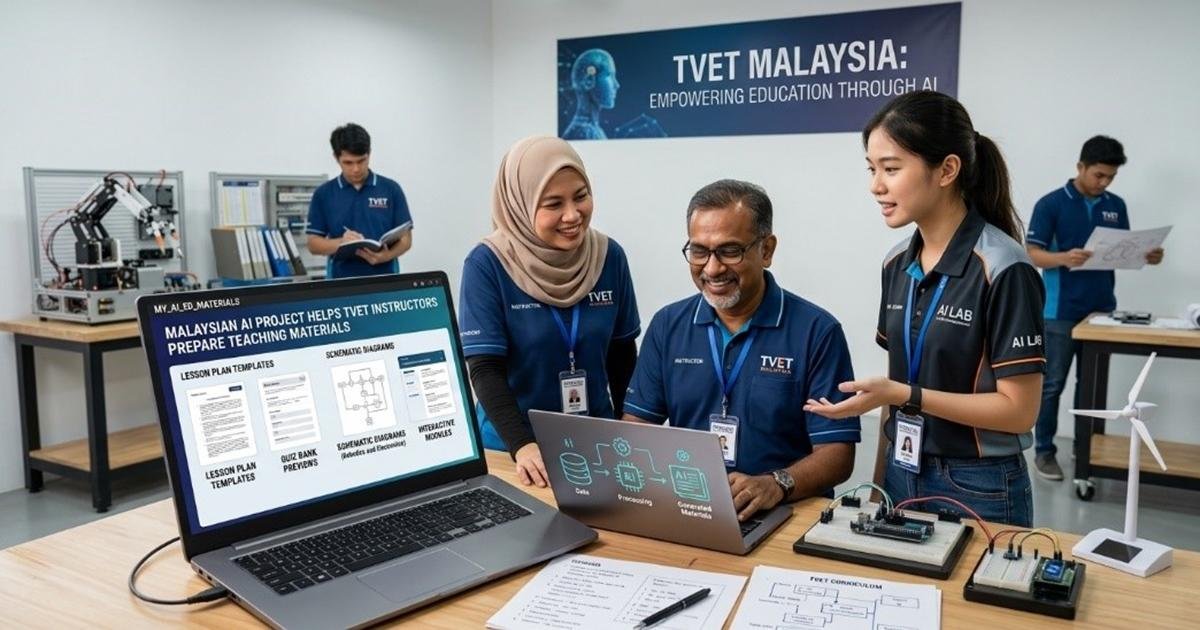
Education and youth development also form part of Djibouti’s national priorities. A young population needs skills, training and opportunities to take part in the modern economy. Investment in schools, vocational training and digital services can help prepare young people for work in logistics, technology, tourism, public service and entrepreneurship. Independence Day is therefore also a reminder that national progress depends on the energy and talent of the next generation.
Djibouti’s culture adds colour and meaning to the anniversary. Traditional songs, dances, poetry and family celebrations help keep the day close to the people. National events often reflect pride in the flag, the homeland and the values of unity and service. These celebrations bring together citizens from different regions and backgrounds under one national message.
As Djibouti marks Independence Day today, it celebrates a journey of nation-building and a future linked to connection, trade and cooperation. The country’s strength lies in its location, its people, its faith and its ability to connect regions by sea, road and rail. For the OIC community, Djibouti stands as a valued member at the meeting point of Africa and the Arab world, carrying both national pride and regional promise.
- Business News 116
- Country News 16
- Feature News 67
- International News 241
- Interview News 36
- National News 37