



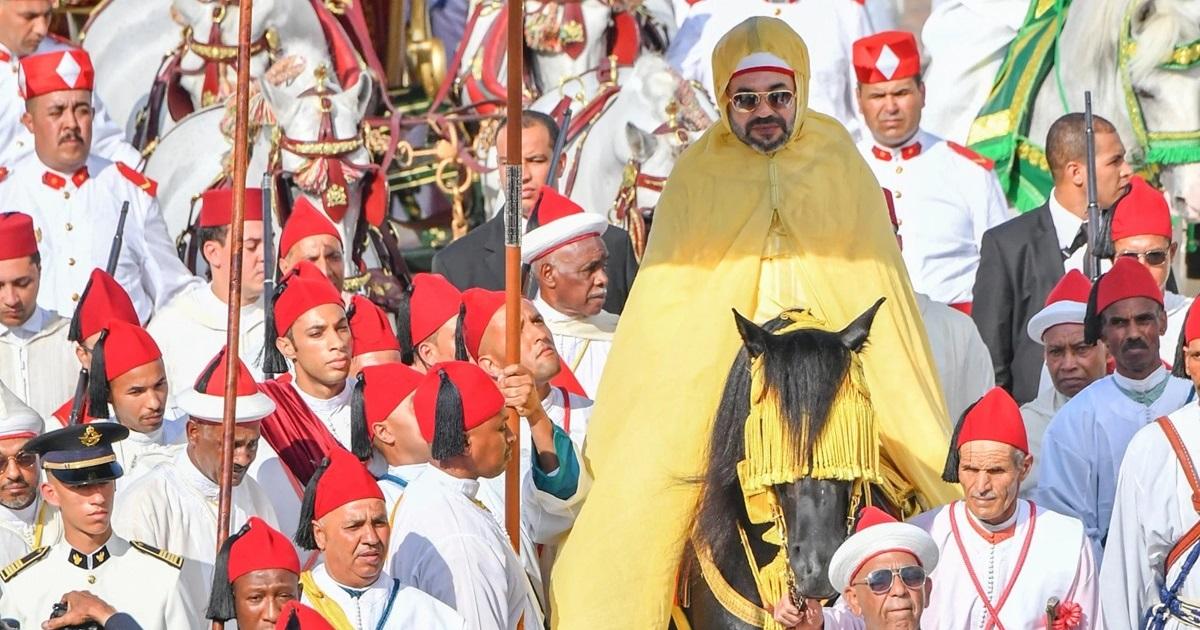
Morocco celebrates Throne Day today, 30 July, marking the 27th anniversary of King Mohammed VI’s accession to the throne. Across the kingdom, the red national flag with its green star appears in public spaces as Moroccans honour a national occasion that connects the monarchy, the people and the country’s long history. The day carries a spirit of dignity, unity and confidence in the years ahead.
Throne Day holds a distinct place in Morocco’s national calendar. It recalls King Mohammed VI’s accession in 1999 and provides a yearly moment to review national achievements, recognise public service and renew a shared sense of responsibility. Official ceremonies and the royal address form the central programme, while communities, institutions and Moroccan missions abroad join the celebration in their own ways.
The occasion also reflects the deep roots of the Moroccan state. The kingdom’s identity has developed through Arab, Amazigh, African, Andalusian and Mediterranean influences, all of which remain visible in its language, architecture, music, food and social customs. Arabic and Amazigh are official languages, and the country’s many regional traditions give national life both variety and a strong common character.
From its Atlantic coastline to the Mediterranean, Morocco occupies a position that has connected Africa, Europe and the wider Arab and Islamic world for centuries. The Atlas Mountains, fertile plains, coastal cities, oases and pre-Saharan regions shape the daily lives and livelihoods of its people. Rabat serves as the capital, while Casablanca is the largest city and a major centre for finance, industry and commerce.
Morocco’s historic cities offer some of the clearest expressions of its cultural identity. The medinas of Fez and Marrakech, the historic city of Meknes, the coastal heritage of Essaouira and the earthen buildings of Ait Ben Haddou are among the country’s recognised treasures. They preserve living traditions in woodwork, metalwork, leather, ceramics, textiles and geometric decoration, keeping knowledge passed through generations active in modern life.
Food brings another warm dimension to Throne Day and to Moroccan hospitality throughout the year. Couscous, tagine, pastilla, breads, olives, dates and mint tea vary from region to region, yet they share an emphasis on family, generosity and time spent together. Music also reflects the country’s wide cultural range, from Andalusian and Gnawa traditions to Amazigh forms and popular contemporary sounds.
Modern Morocco is known for activity in manufacturing, agriculture, tourism, transport, financial services and renewable energy. Its ports and industrial centres connect local producers with international markets, while tourism introduces visitors to old cities, mountain communities, beaches and desert routes. Investments in solar and wind power also show the country’s interest in meeting future energy needs with cleaner sources.
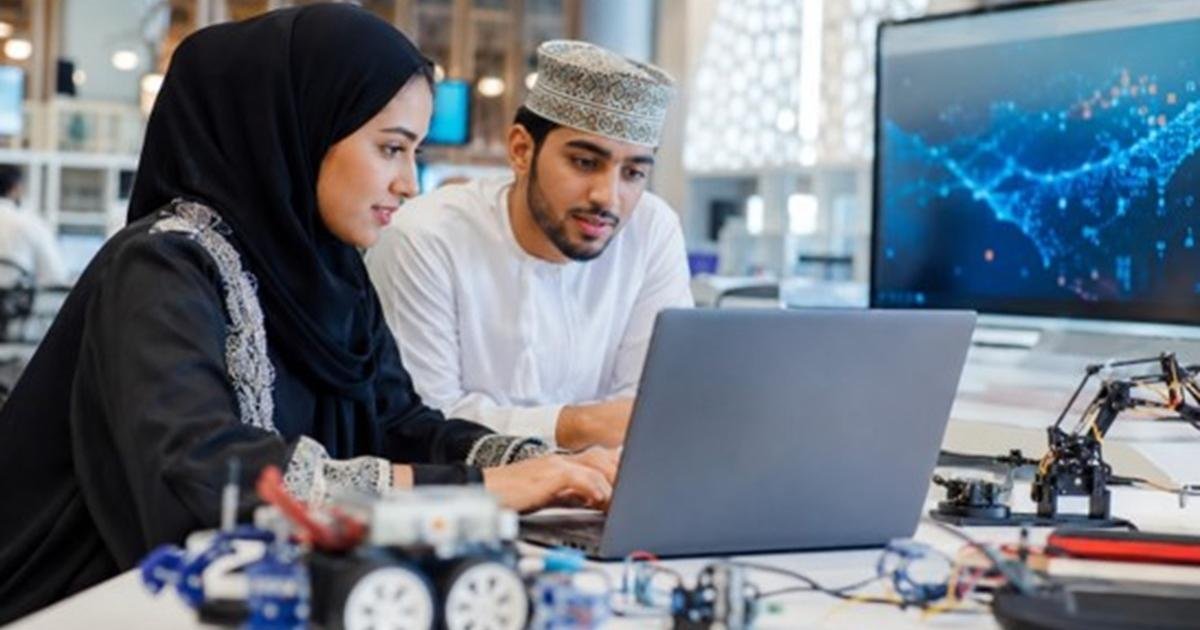
Education, skills and opportunity for young people remain important to the kingdom’s future. Morocco’s universities, vocational institutions, technology programmes and business centres are helping new generations take part in research, entrepreneurship and modern industry. The country’s growing role in automotive and aerospace production, digital services and major infrastructure demonstrates how traditional strengths can stand beside technical progress.
Sport provides another source of national pride and shared enjoyment. Football has a special place in Moroccan life, while achievements in athletics and other disciplines inspire young people across the country. Stadiums, neighbourhood pitches and school competitions turn sport into a meeting point for different generations and regions.
As a founding member of the Organisation of Islamic Cooperation, Morocco maintains close relations across the Muslim world. Its religious identity, with the King serving as Commander of the Faithful, is accompanied by a long tradition of scholarship and community life. Cooperation with other OIC members covers trade, education, culture, food security, investment and humanitarian work, giving Morocco an active place within the wider OIC family.
Throne Day therefore celebrates more than an anniversary. It brings together history and present-day service, national symbols and everyday citizenship, as well as local pride and international friendship. For Moroccans at home and abroad, 30 July is a day to honour the kingdom’s identity and to look ahead with faith in continued progress.
As Morocco marks Throne Day today, its people celebrate a country that remains proud of its roots while building for the future. The occasion honours the bond between the throne and the nation and recognises the contribution of citizens in every field. Morocco enters another year with its heritage alive, its ambitions clear and its welcome to the world as warm as ever.
- Business News 111
- Country News 16
- Feature News 55
- International News 228
- Interview News 36
- National News 31