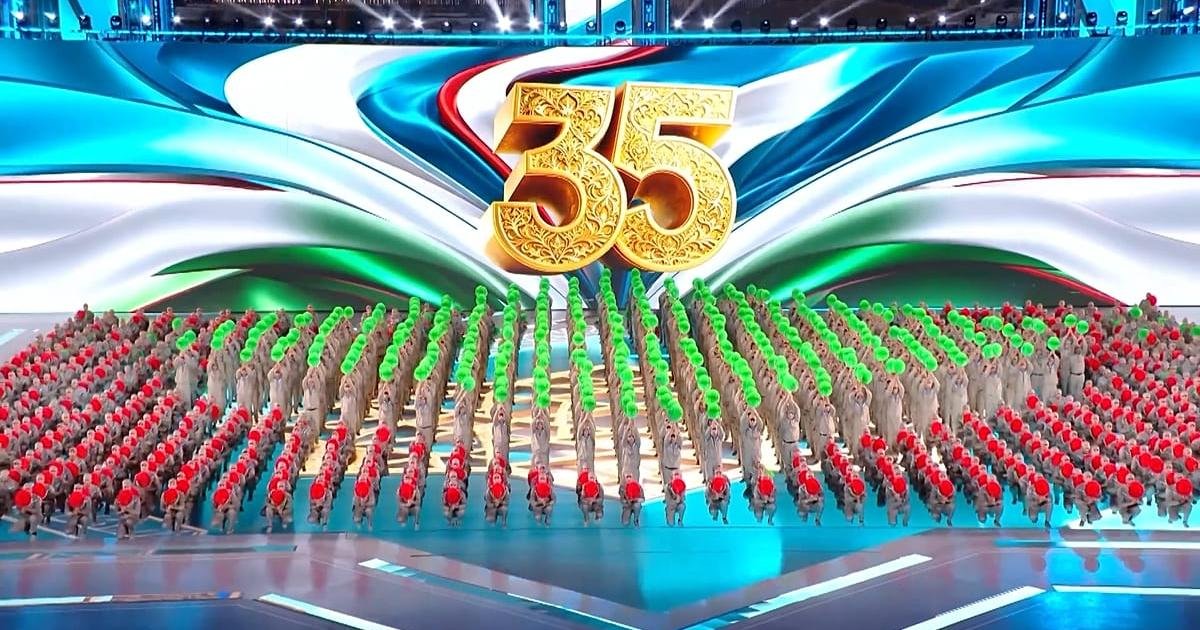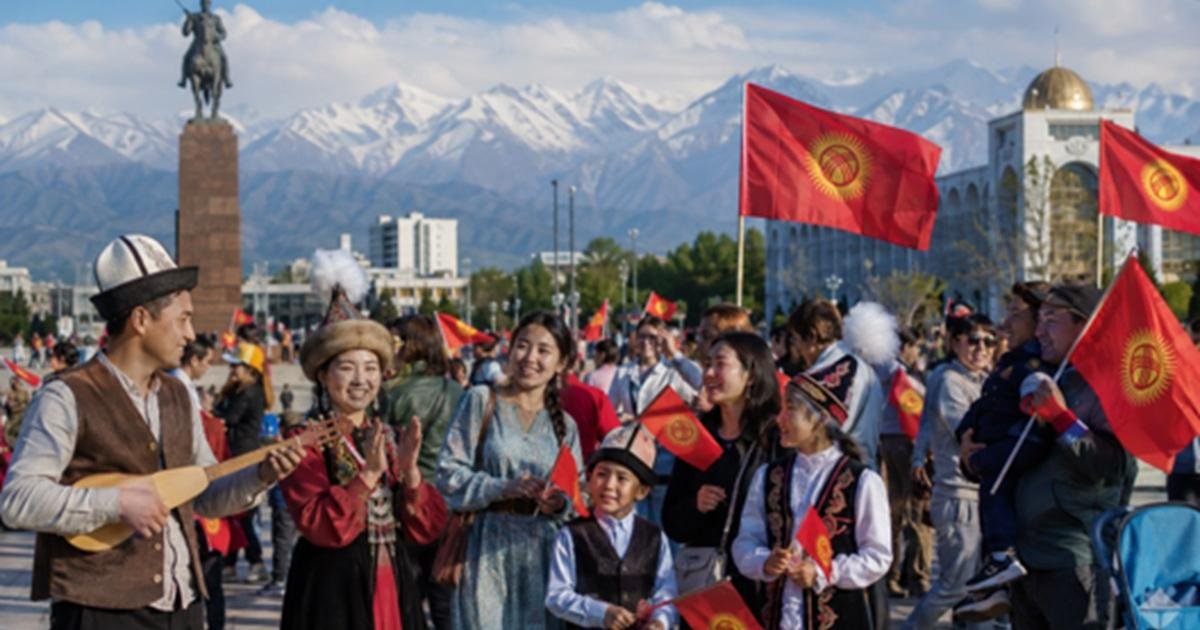




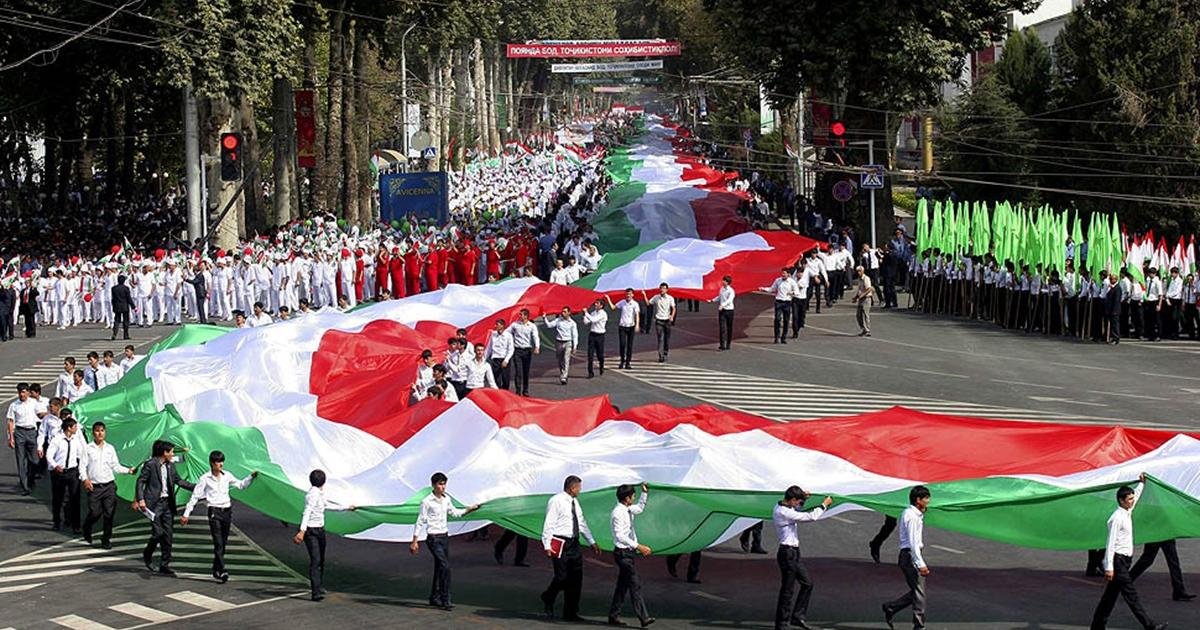
Tajikistan celebrates its 35th Independence Day today, 9 September, honouring the declaration of state independence in 1991. The anniversary is observed across the country with flag ceremonies, concerts, cultural exhibitions and community programmes. In Dushanbe and in towns and villages, citizens celebrate sovereignty alongside the values of peace, unity and public responsibility. The date offers both a proud remembrance and a clear view towards the future.
Independence gave Tajikistan the authority to establish its own institutions, represent itself internationally and define national priorities. Over 35 years, the country has developed the symbols and public traditions of a sovereign state while drawing strength from a much older civilisation. Families mark the day through gatherings, music and visits to public spaces. Young people take part in performances and activities that connect national history with their own hopes.
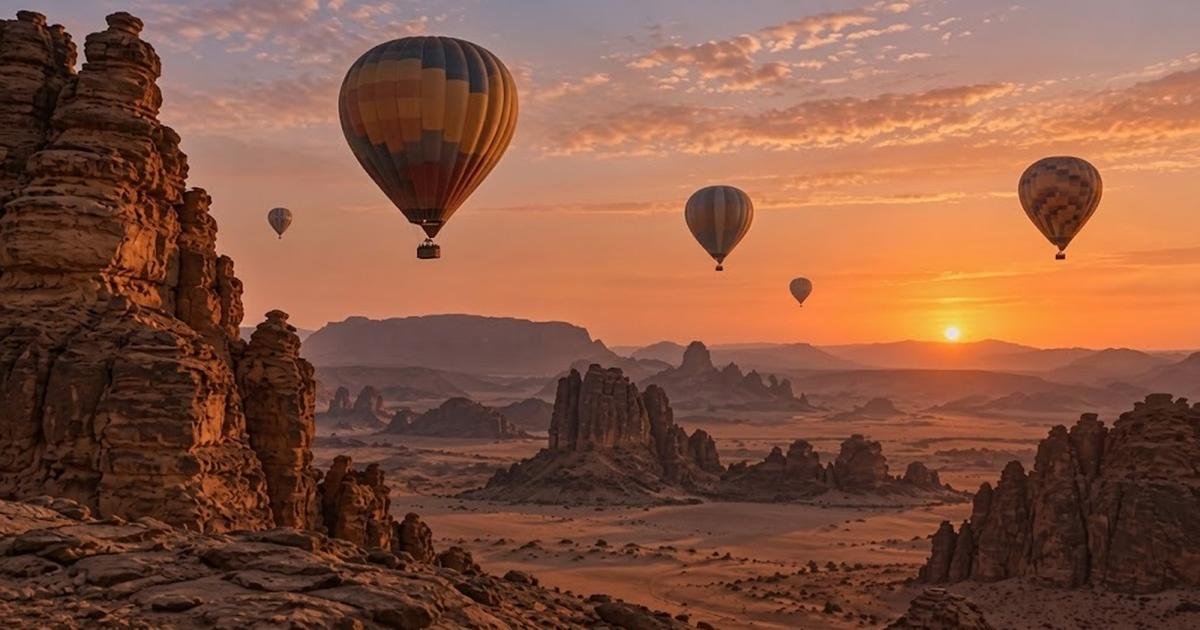
Tajikistan lies at the heart of Central Asia and is known above all for its mountains. The Pamir range covers much of the east, with high peaks, glaciers and roads that pass through some of the most dramatic terrain on earth. Valleys along rivers provide land for towns, orchards and farming. This contrast between high mountains and cultivated valleys gives the country its distinctive beauty.
Water is one of Tajikistan’s most valuable natural resources. Glaciers and mountain rivers feed major waterways that support agriculture and communities across Central Asia. Hydropower already plays a central role in domestic energy and holds further potential. Careful water management and regional cooperation are therefore important not only for Tajikistan but also for its neighbours.
The Tajik language belongs to the Persian family and carries a rich literary inheritance. The poetry of Rudaki and later writers remains part of cultural memory, while storytelling, music and recitation continue to enliven family and public occasions. Russian is also widely understood, and several regional languages are spoken. This linguistic experience reflects the country’s long position on routes connecting peoples and markets.
Dushanbe, the capital, has grown into a broad, green city of parks, museums, universities and public monuments. Khujand, in the fertile north, has centuries of commercial and cultural history, while places such as Hisor and Penjikent preserve links to earlier eras. Archaeological remains show the depth of settlement and exchange in the region. Modern buildings now stand beside traditions that are carefully maintained in crafts, clothing and celebration.
Tajik hospitality is often expressed through the dastarkhan, where guests share bread, fruit, tea and a generous selection of dishes. Plov, soups, grilled meats, dairy products and seasonal produce are common parts of the table. Embroidery and colourful textiles add beauty to homes and festive dress. Navruz in spring is another major expression of renewal, community and the country’s wider Central Asian heritage.
Agriculture supports many families through cotton, grain, vegetables, livestock and abundant fruit, including apricots, grapes and pomegranates. Industry includes aluminium, textiles, food processing and mining, while trade and services are expanding. Better transport, dependable energy and digital connections can help businesses reach wider markets. Tourism also has room to grow through trekking, mountain travel, history and community-based experiences.
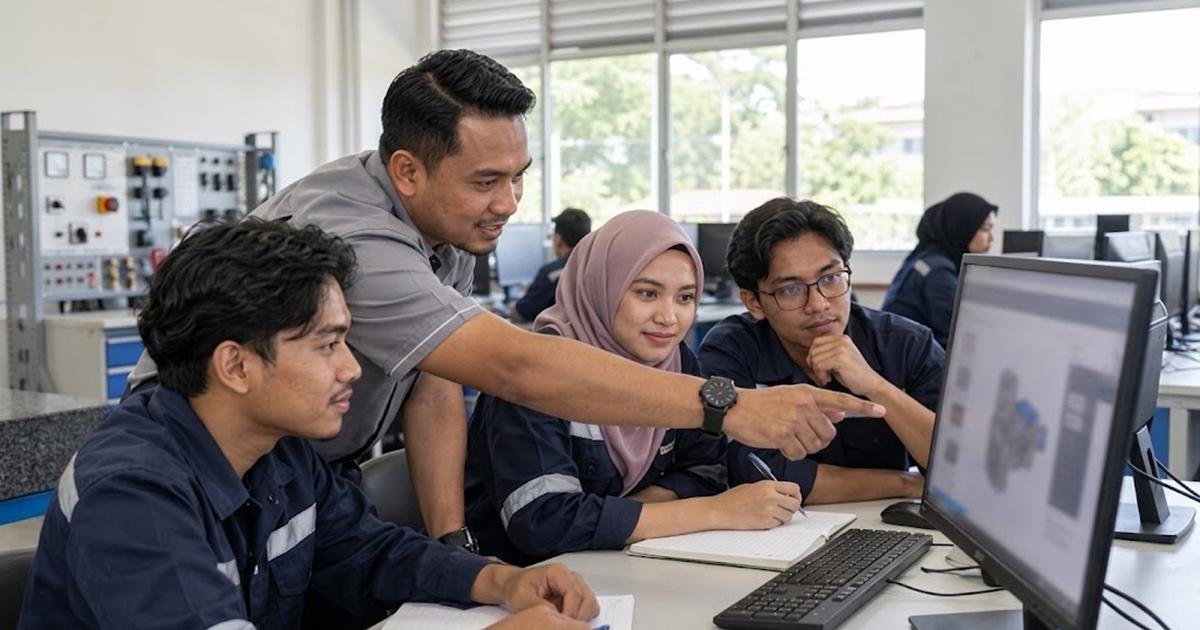
Education and skills are central to the ambitions of Tajikistan’s young population. Universities and vocational institutions prepare students for work in engineering, medicine, teaching, agriculture, technology and public administration. Digital access is opening new ways to learn and conduct business. Independence Day recognises that national strength grows when young citizens receive the tools to participate fully.
Tajikistan joined the Organisation of Islamic Cooperation after independence and maintains active links across the Muslim world. Its Islamic heritage is visible in values, scholarship, architecture and community life, alongside customs shaped by Central Asian history. OIC cooperation offers opportunities in education, science, food security, trade and cultural exchange. It also allows Tajikistan to share its experience as a mountain nation with major water and climate interests.
As Tajikistan celebrates 35 years of independence today, its mountains provide a fitting image of endurance and aspiration. The nation honours the generation that established sovereignty and the citizens whose daily work gives that achievement practical meaning. Its heritage, water resources, youthful population and strategic location offer a strong foundation for continued progress. On 9 September, Tajikistan celebrates a home rooted in history and confidently open to new ideas.
- Business News 116
- Country News 16
- Feature News 67
- International News 241
- Interview News 36
- National News 37