



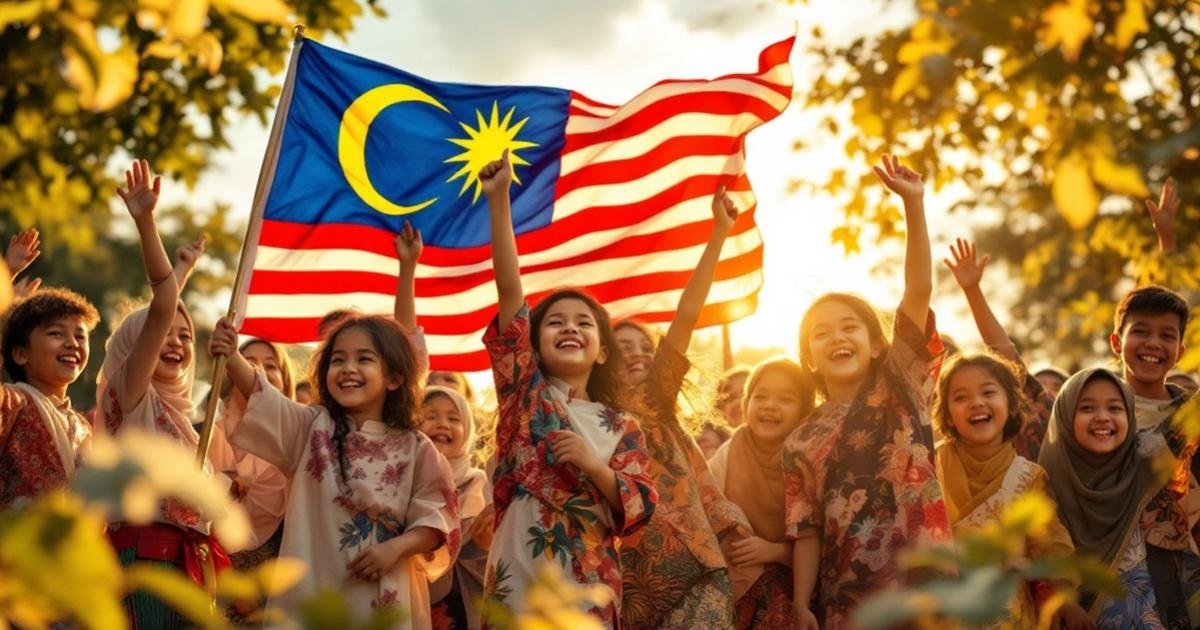
Malaysia celebrates Malaysia Day today, 16 September, marking the formation of the federation in 1963. The date recalls the coming together of Malaya, Sabah and Sarawak, with Singapore also part of the federation at its establishment. Today, the occasion places special attention on the bonds between Peninsular Malaysia and the states across the South China Sea. Flags, cultural programmes and community events express pride in a nation strengthened by different regions and traditions.
Malaysia Day is distinct from Hari Merdeka on 31 August, which commemorates the independence of the Federation of Malaya in 1957. Together, the two dates explain important stages in the country’s national story. The September celebration gives Sabah and Sarawak a central place and reminds Malaysians that federation depends on respect, partnership and a sense of common citizenship. It is both a historical anniversary and a lively celebration of belonging.
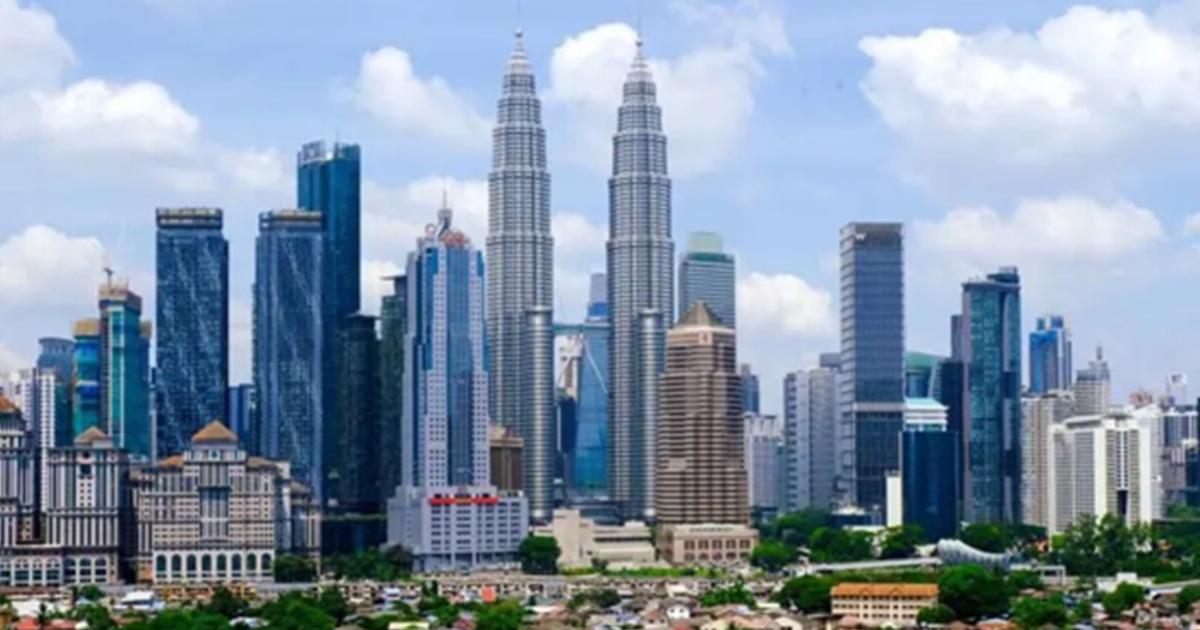
The country is divided geographically between the Malay Peninsula and northern Borneo. Tropical seas, rainforests, mountains, river systems, islands and modern cities give it great environmental variety. Mount Kinabalu rises above Sabah, while Sarawak is known for vast forests, caves and rivers. On the peninsula, the capital Kuala Lumpur stands as a major commercial and cultural centre, while Putrajaya serves as the administrative capital.
Malaysia’s society includes Malay, Chinese, Indian, Orang Asli and many Indigenous peoples of Sabah and Sarawak, among numerous other communities. Bahasa Malaysia is the national language, while English, Chinese languages, Tamil, Iban, Kadazan-Dusun and many more are part of daily life. Religious practice is similarly varied, with Islam holding its constitutional place and other faiths contributing to the social character. Festivals throughout the year allow neighbours to visit, share food and understand one another.
Food may be the country’s most welcoming introduction. Nasi lemak, satay, rendang, roti canai, laksa and countless regional dishes show how ingredients and cooking traditions meet in creative ways. Sabah and Sarawak add their own rice dishes, noodles, seafood and forest produce. Hawker centres, markets and family kitchens make eating a social experience that crosses language and community lines.
Malaysia also possesses an exceptional natural inheritance. Ancient rainforests support orangutans, hornbills and thousands of plant species, while marine parks protect coral reefs and sea life. Taman Negara, Kinabalu Park and Gunung Mulu National Park are internationally recognised for their value and beauty. Conservation, responsible tourism and climate resilience are important to keeping these treasures available for future generations.
The economy has developed through manufacturing, electronics, energy, palm oil, finance, logistics, tourism and an expanding digital sector. Malaysia’s ports sit close to some of the world’s busiest sea routes, supporting trade between Asia and the wider world. Businesses range from global manufacturers to family enterprises and technology start-ups. Continued investment in research, skills and sustainable industry can strengthen the country’s competitive position.
Education has helped create a skilled and outward-looking society. Public and private universities attract students from Malaysia and abroad, while technical training supports industry and services. Young Malaysians are active in science, design, film, music, sport and entrepreneurship. Their ability to work across cultures is a valuable national advantage in a connected region.
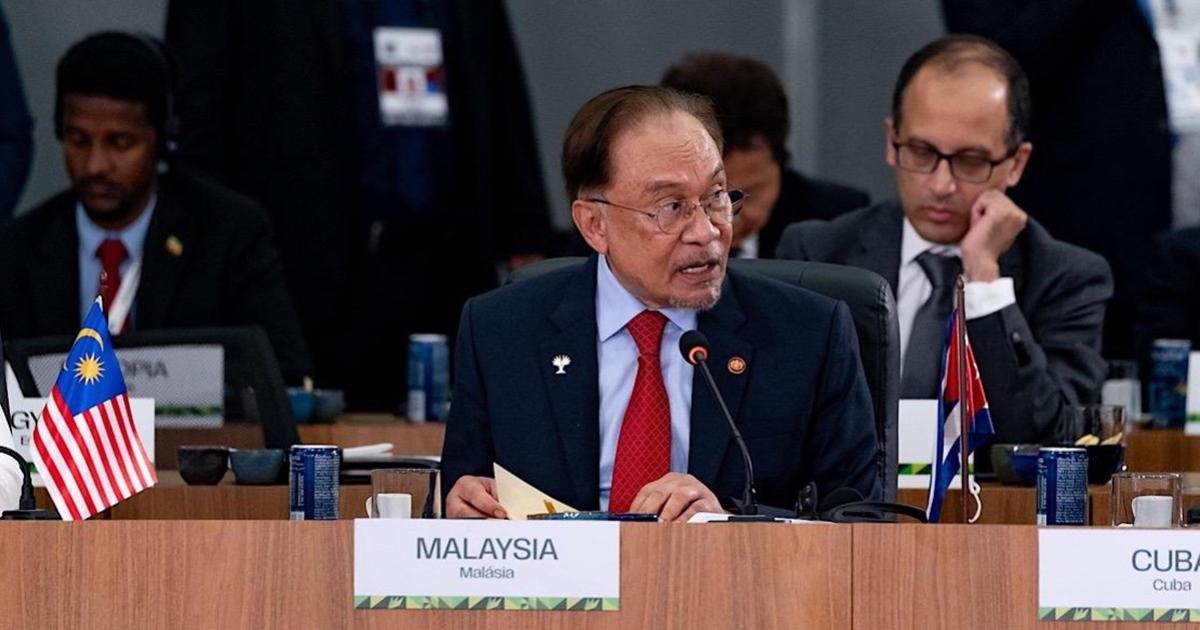
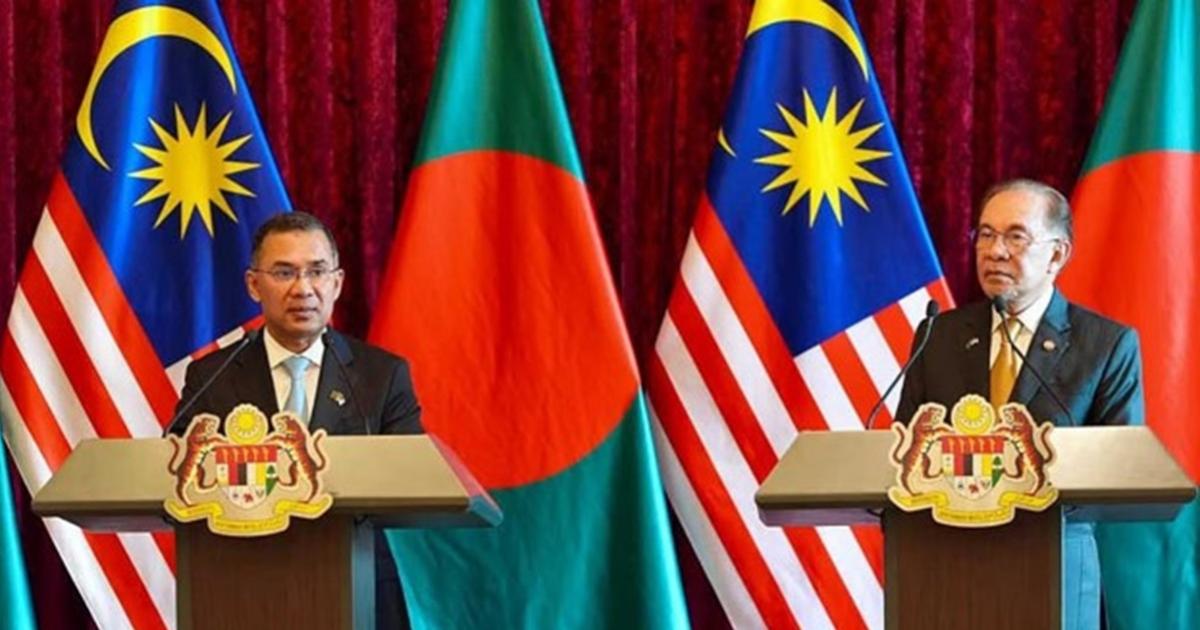
Malaysia is an active member of the Organisation of Islamic Cooperation and has long supported cooperation among Muslim-majority countries. It shares experience in Islamic finance, halal industries, education, healthcare, trade and public administration. At the same time, its multicultural society offers an example of how national life can include many traditions. Through the OIC and ASEAN, Malaysia connects regional priorities with wider international partnerships.
The arts give Malaysia Day its brightest public expression. Dances, musical forms, woven textiles, beadwork, batik and performance traditions from every state appear in celebrations. Sport also brings citizens together, from badminton and football to diving, cycling and motorsport. These achievements allow Malaysians to recognise one another not as distant regions, but as contributors to one shared national life.
As Malaysia marks the 63rd anniversary of its formation today, it celebrates a federation whose strength comes from connection. The peninsula, Sabah and Sarawak each bring distinct histories, resources and voices to the national family. Malaysia Day honours that variety while affirming common hopes for peace, opportunity and fair development. Across seas and islands, the occasion carries a simple message: the federation moves forward when every community can see itself in the country’s success
- Business News 111
- Country News 16
- Feature News 55
- International News 223
- Interview News 36
- National News 30