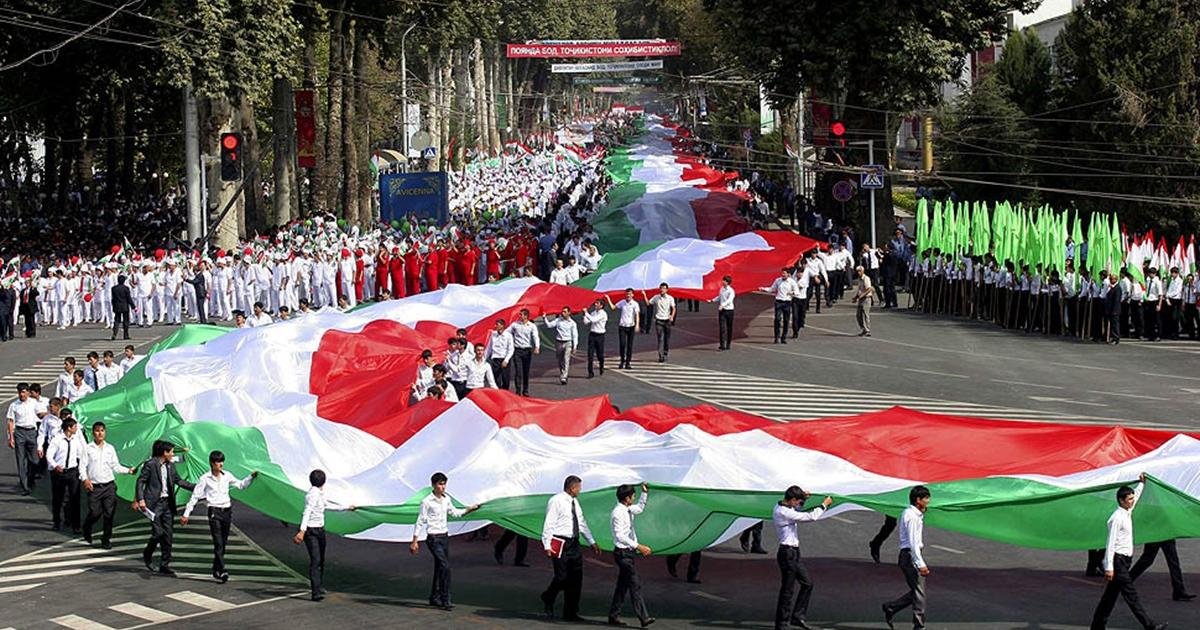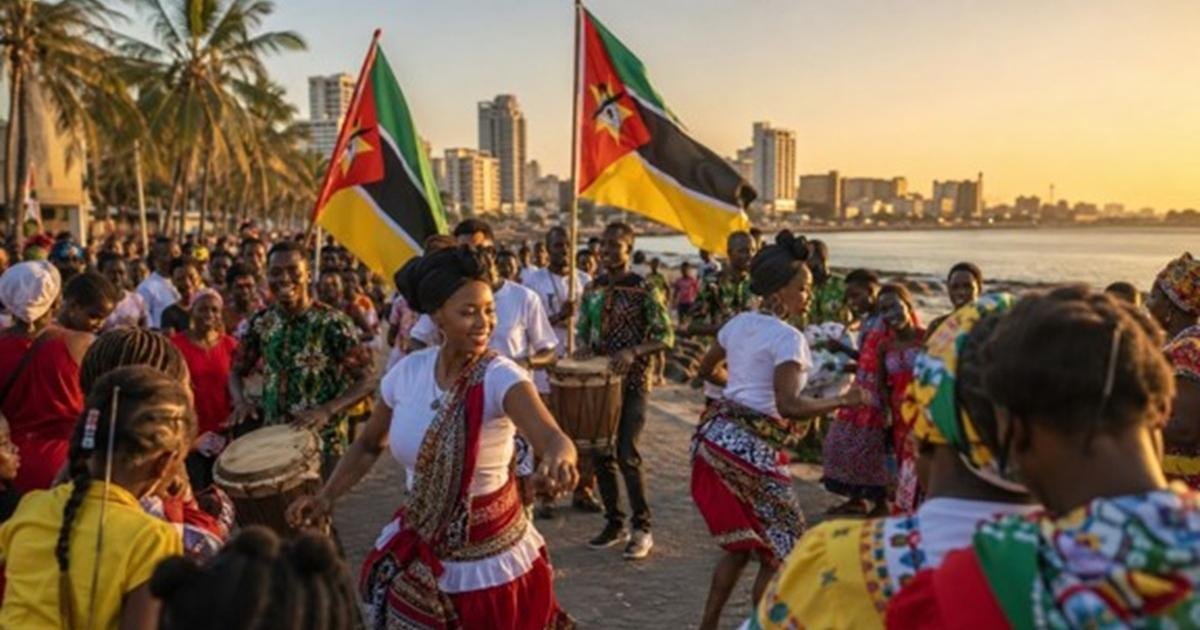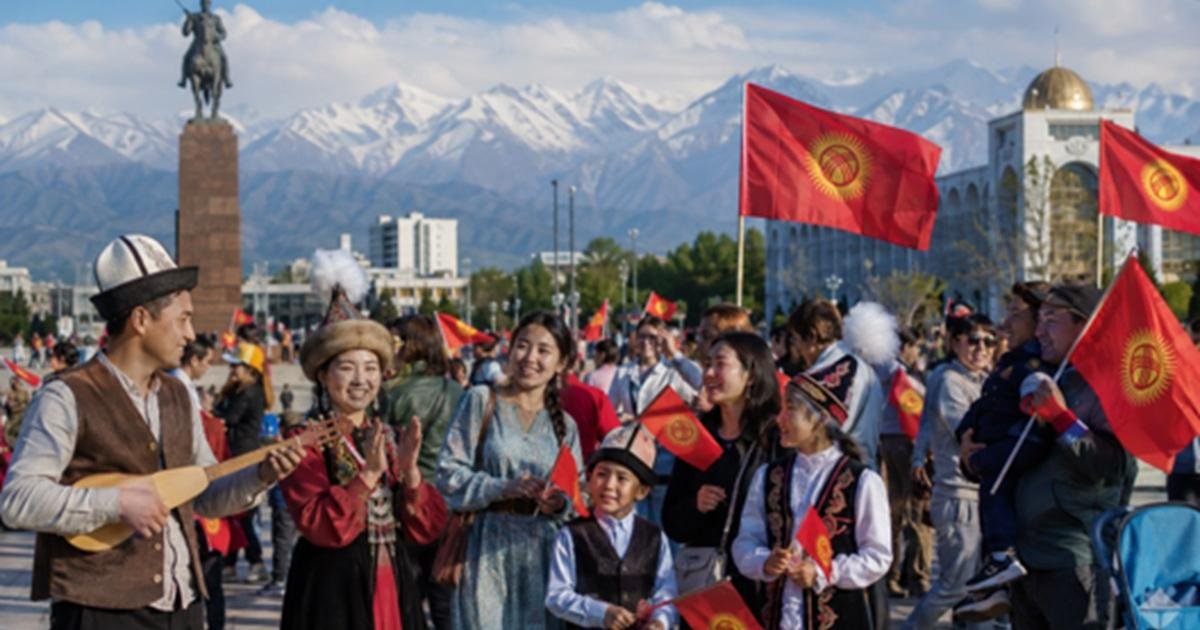




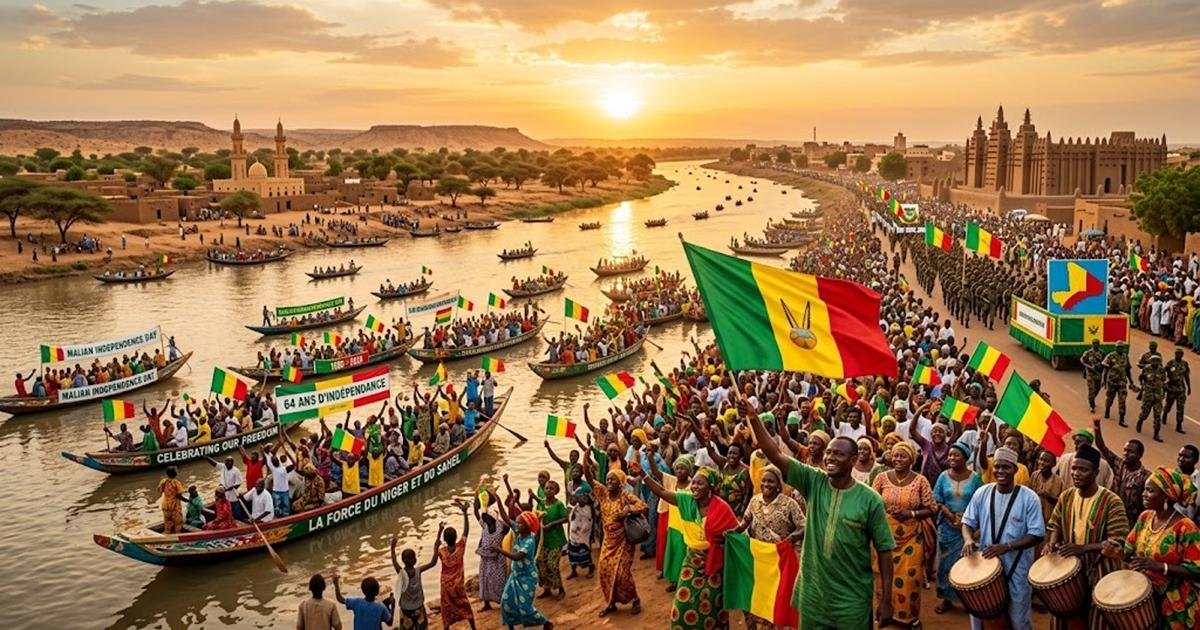
Mali celebrates its 66th Independence Day today, 22 September, remembering the establishment of the Republic of Mali as a sovereign state in 1960. Across the country, the national flag, official ceremonies, music and community gatherings give the anniversary a visible presence. The day honours those who sought self-rule and the generations that have carried national life forward. It also invites citizens to renew their commitment to peace, solidarity and useful work.
Independence Day connects modern Mali with a history that reaches far beyond 1960. The territory was home to great West African empires that gained influence through learning, agriculture and trans-Saharan trade. Mali’s name itself recalls that inheritance. The anniversary therefore celebrates sovereignty while recognising a civilisation that has contributed knowledge, art and commerce to Africa and the wider world.
The Niger River is central to the country’s life. It curves through Mali, supporting farms, fishing, transport and settlements before continuing towards the Gulf of Guinea. Bamako, the capital, has grown along its banks, while cities such as Ségou and Mopti also owe much of their character to the river. In a country that extends deep into the Sahara, this waterway is a source of livelihood, movement and imagination.
Mali’s geography ranges from the greener south to Sahelian plains and the desert north. This variety shapes farming, pastoral life, architecture and travel. Communities have developed deep knowledge of seasons, soils, livestock and water. Today, that knowledge remains valuable as the country responds to drought, land pressure and a changing climate.
Timbuktu is known around the world as a historic centre of trade and scholarship. Its manuscripts preserve work on religion, law, astronomy, medicine, poetry and commerce, showing the intellectual life of earlier centuries. Djenné is celebrated for its earthen architecture, including the Great Mosque, while the Bandiagara cliffs reflect the heritage of Dogon communities. Protecting these places is an act of respect for both Mali and humanity.
The population includes Bambara, Fulani, Soninke, Songhai, Tuareg, Dogon, Malinké and other communities. Bambara is widely spoken, alongside many national languages and French. Dress, music, oral history and social customs vary, yet exchange among communities has long shaped the country. Independence celebrations make this human richness part of a common national identity.
Malian music is one of the country’s best-known gifts to the world. Griots preserve family and public memory through song and spoken history, while instruments such as the kora, ngoni and balafon carry recognisable regional sounds. Contemporary musicians have brought these traditions to international audiences without losing their local roots. Textiles, leatherwork, jewellery, pottery and woodwork add further colour to cultural life, sustaining skilled makers and giving visitors a direct connection with regional design.
Agriculture and livestock remain essential to livelihoods. Farmers grow millet, sorghum, rice, maize and cotton, while herders raise cattle, sheep, goats and camels in different regions. Gold is a major export, and solar energy offers considerable promise in a country with abundant sunshine. Better transport, storage, electricity and local processing can help more communities benefit from production.
Mali has a young population whose creativity is visible in markets, workshops, schools, farms and digital businesses. Education and vocational training can help young people turn ideas into employment and stronger public services. Women are central to farming, trade, food processing, handmade goods and family enterprise. Expanding their access to finance and opportunity supports national prosperity.
Islam has shaped scholarship, architecture and community life in Mali for centuries. The country’s membership in the Organisation of Islamic Cooperation connects it with partners in education, development, culture and humanitarian support. These ties can assist practical national priorities while allowing Mali to share its own experience of African Islamic learning. Religious values of charity and neighbourly responsibility are also visible in everyday community support.
As Mali marks 66 years of independence today, the occasion draws strength from both river and desert, manuscript and song, village and city. Citizens remember a national achievement and recognise the work still carried by every generation. Mali’s cultural confidence, natural resources and youthful energy provide reasons for hope. The clearest celebration is a future in which peace, knowledge and opportunity reach communities throughout the country.
- Business News 111
- Country News 16
- Feature News 56
- International News 228
- Interview News 36
- National News 31