



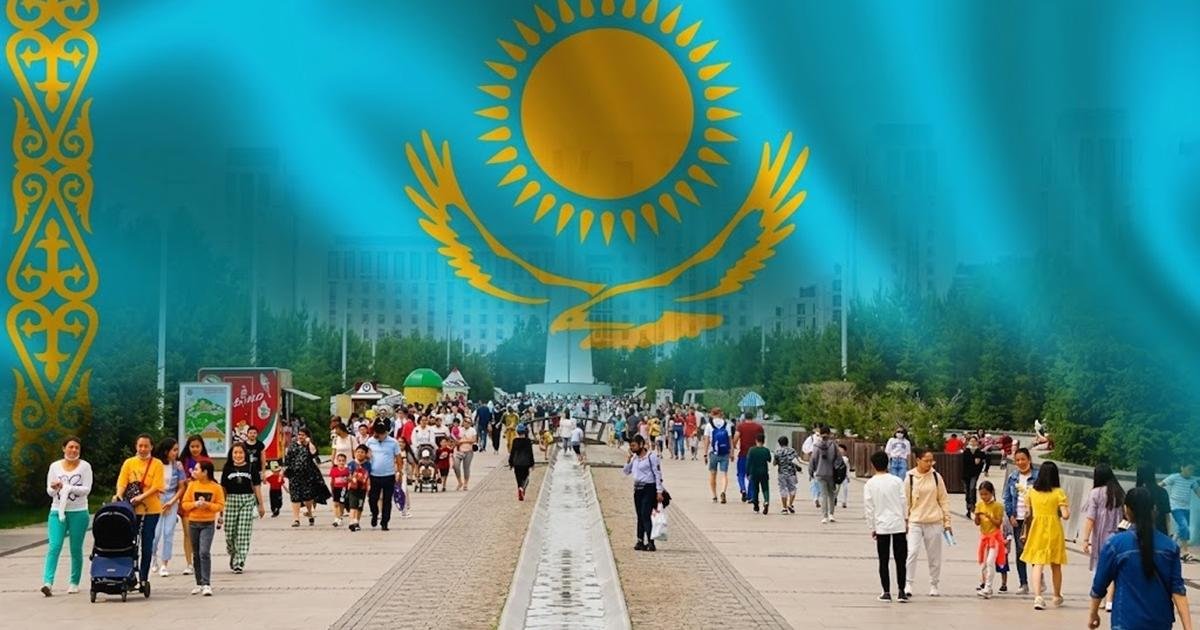
Kazakhstan celebrates Republic Day today, 25 October, remembering the adoption of its Declaration of State Sovereignty in 1990. Thirty-six years later, the anniversary honours a major step in the country’s path towards independence and the citizens who give national life its character. It is a day to appreciate Kazakhstan through its cultural traditions, natural variety and contributions to regional cooperation. The occasion connects the historical declaration with the everyday ambitions of families, students and workers across a vast national home.
Republic Day is distinct from Independence Day on 16 December, which commemorates independence in 1991. The October declaration established principles of sovereignty that helped prepare that later achievement. Keeping the two dates clear allows the country’s modern history to be understood in its proper sequence. Today’s anniversary offers space for cultural programmes, family greetings and appreciation of national service.
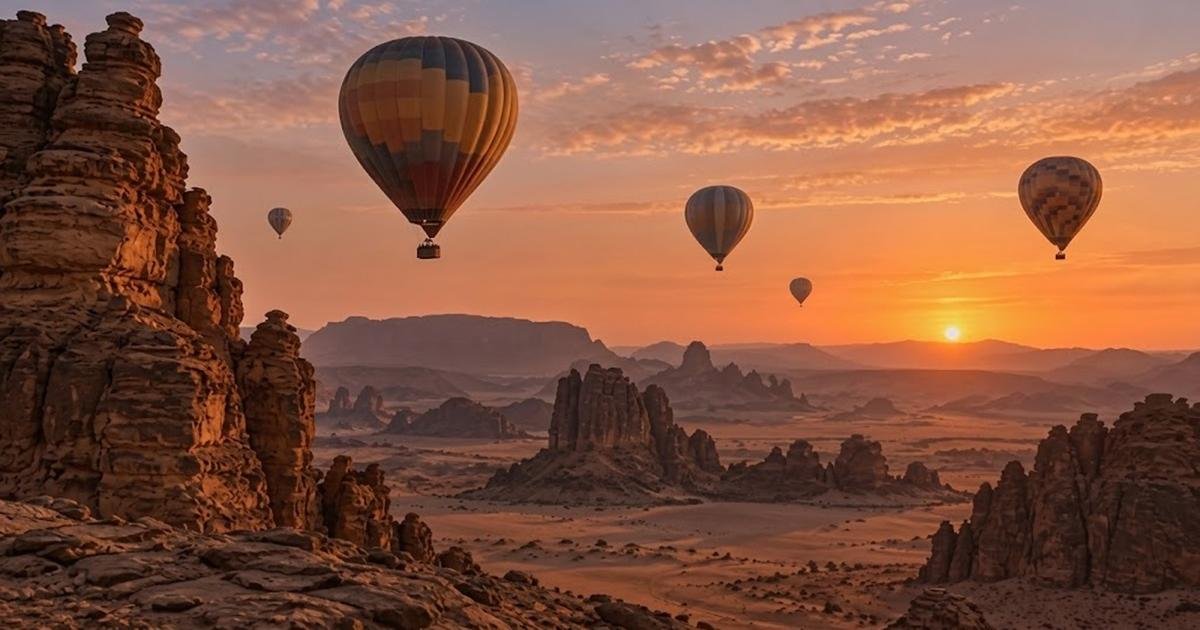
Kazakhstan is the world’s largest landlocked country, extending across broad steppes, mountain areas, deserts and part of the Caspian coast. Its scale gives different regions distinct patterns of work, settlement and travel. Astana, the capital, is known for modern civic architecture, while Almaty stands close to the mountains of the southeast and remains an important commercial and cultural centre. Other cities connect industrial districts, agricultural areas and historical routes.
The steppe has a special place in Kazakh identity. Horse traditions, pastoral knowledge and the portable yurt reflect ways of life adapted to distance and seasonal movement. These traditions remain visible in celebrations, museums and family memory. The dombra, a two-stringed instrument, carries a recognisable national sound, especially through the instrumental performance known as kuy. UNESCO recognises this musical heritage, which continues to connect young performers with knowledge passed through earlier generations.
Hospitality gives that inheritance a personal setting. Guests are welcomed with tea, bread and food that often includes meat, dairy products and dishes associated with family gatherings. Beshbarmak and baursak are familiar examples, though meals vary by region and household. Around a shared table, national culture becomes something visitors can experience directly rather than simply read about in a history book.
Kazakh is the state language, while Russian is widely used and languages of other communities add to public life. Literature, oral poetry and the work of figures such as Abai Qunanbaiuly have an important place in education and cultural memory. Music, theatre, cinema and contemporary art provide further forms of expression. Republic Day offers an occasion to recognise those contributions with mutual respect.
The country also preserves important links with the Silk Roads. Turkestan’s Mausoleum of Khoja Ahmed Yasawi is a UNESCO World Heritage Site and a valued centre of historical and religious interest. Other archaeological places help explain centuries of trade and cultural exchange across Central Asia. In natural areas, mountain parks, lakes and wetlands support wildlife and offer opportunities for careful tourism. Protecting both historical places and habitats allows national pride to include responsibility for what future generations inherit.
Kazakhstan’s economy includes oil, gas, minerals, manufacturing, agriculture and a growing range of services. Wheat production and livestock have particular importance, while mining and energy connect the country with international markets. Transport links support trade between neighbouring regions and routes reaching farther across Eurasia. Small enterprises, food processing and digital businesses add further opportunities for employment. Strong professional skills and dependable infrastructure can help these activities create wider benefits across cities and rural communities.
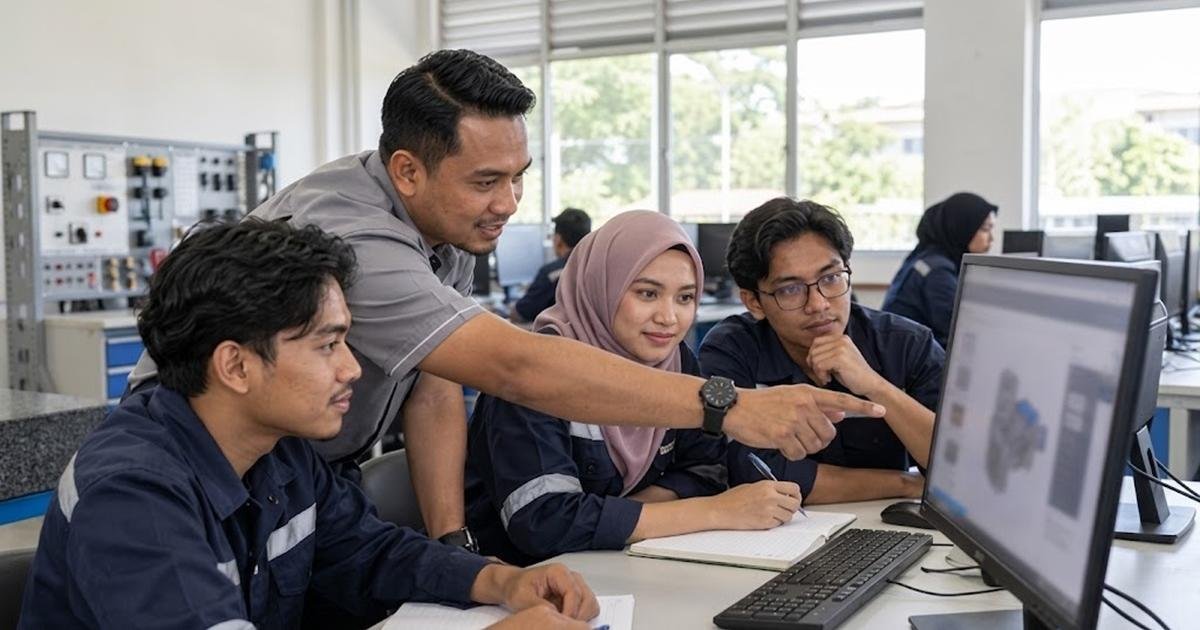
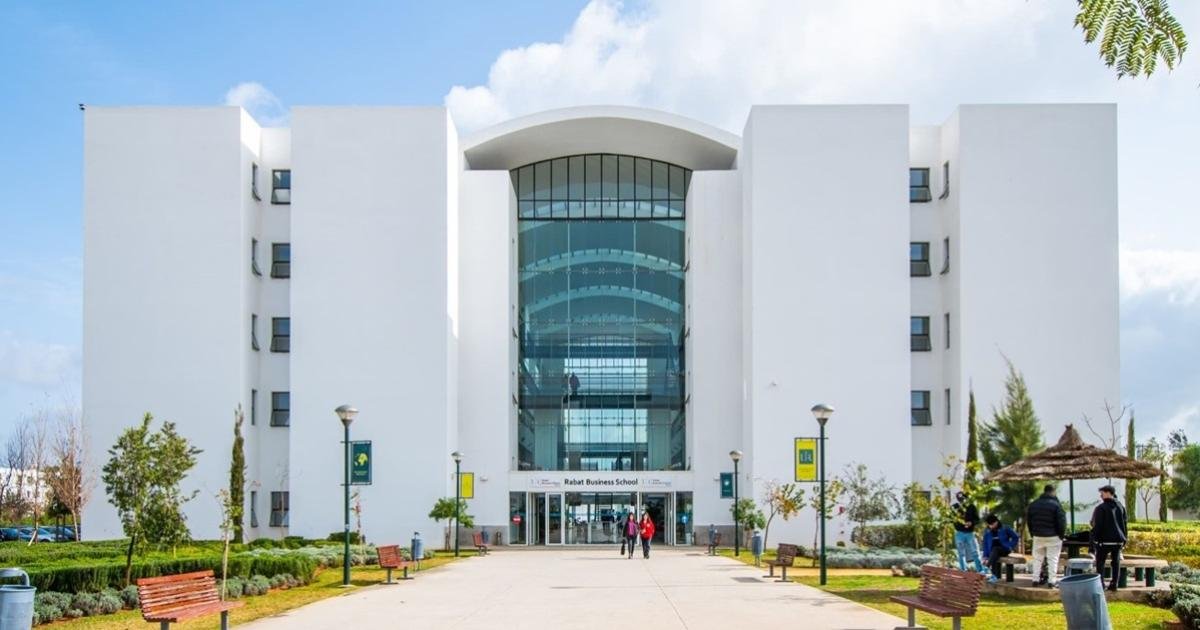
Science and education have an equally valuable place in the country’s ambitions. Universities and technical institutions prepare students for engineering, medicine, business, agriculture and other professions. Baikonur gives Kazakhstan a recognised connection with the history of spaceflight, while contemporary research opens further possibilities at home. Young people also contribute through sport, the arts and entrepreneurship.
Kazakhstan has been a member of the Organisation of Islamic Cooperation since 1995. Its Central Asian experience provides useful contributions to cooperation in education, science, food security, trade and culture. The Islamic Organization for Food Security, an OIC institution based in Astana, gives agricultural cooperation a practical connection with the country. Exchanges among researchers, producers and students can help turn international relationships into useful results. Kazakhstan’s position also supports dialogue and commercial links between several neighbouring regions.
Today’s Republic Day celebrates a national home shaped by movement, welcome and the work of many communities. The 1990 declaration belongs to history, but the opportunity it represented continues through learning, production and service. From the sound of the dombra to the energy of a classroom or family enterprise, citizens give sovereignty a living expression. On 25 October, Kazakhstan welcomes friends to share its pride in a country of open spaces, cultural generosity and ambitions carried forward by its people.
- Business News 116
- Country News 16
- Feature News 67
- International News 240
- Interview News 36
- National News 37