



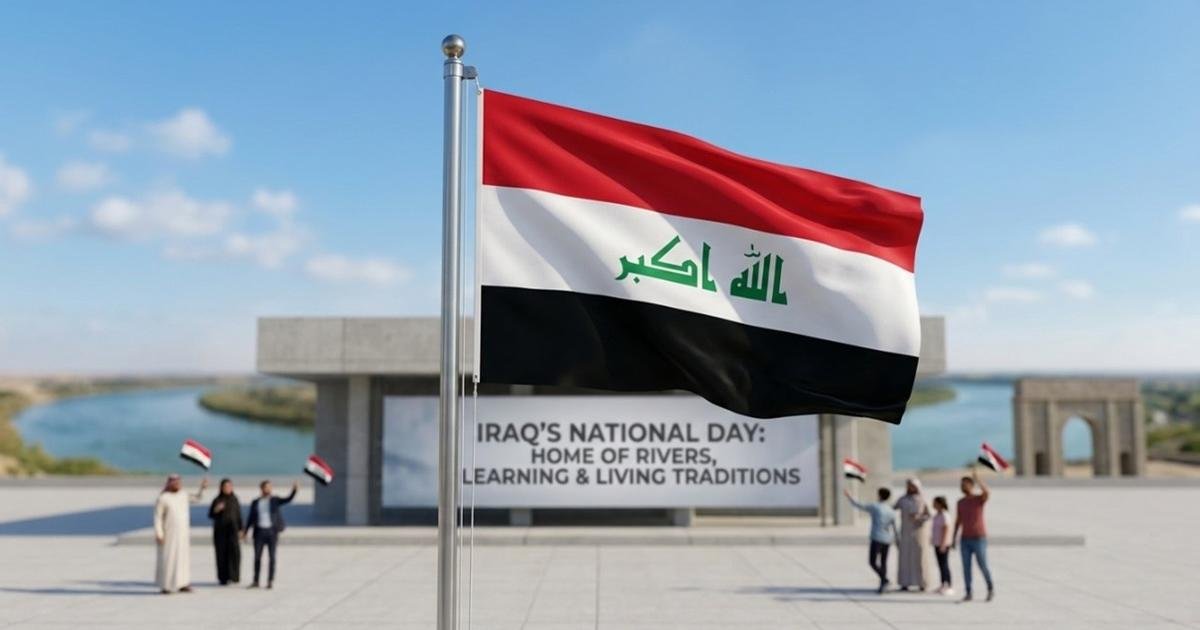
Iraq marks National Day today, 3 October, recalling the end of the British mandate and its admission to the League of Nations in 1932. Ninety-four years later, the anniversary recognises sovereignty and the people who give national life its daily meaning. It is an opportunity to celebrate Iraq through its rivers, cities, literature, hospitality and contributions to human knowledge. The occasion connects a modern national milestone with a much older history that belongs to the wider world.
The date gives Iraqis a shared point of remembrance, whether they live at home or maintain close family ties from abroad. The most lasting celebration is often a simple recognition of the people who teach, care, produce and create. Their service gives national belonging an everyday meaning.
The Tigris and Euphrates are central to Iraq’s identity. Between and around these rivers, early societies developed cities, systems of writing and methods of organising trade and agriculture. Mesopotamia’s contribution to human civilisation remains one of the country’s great sources of pride. Archaeological places associated with Sumer, Babylon and later societies continue to attract study. Protecting them allows future generations to understand a history that has influenced mathematics, law, literature and urban life.
Baghdad carries another important chapter of that inheritance. Founded in the eighth century, the city became a major centre of scholarship, translation, commerce and artistic exchange. Today, the capital’s book culture remains closely associated with Al-Mutanabbi Street, where reading and conversation have a valued place. Poetry and storytelling continue in family gatherings and public life. Iraq’s attachment to learning is expressed through readers and teachers as much as through famous names from the past.
The country’s geography offers more variety than a river plain alone. Northern mountains, western desert areas, central agricultural land and the wetlands of the south support different ways of life. Basra connects Iraq with the Gulf, while Mosul and Erbil reflect northern histories of trade and settlement. The Erbil Citadel, Babylon and the southern Ahwar are among the country’s UNESCO World Heritage Sites.
Iraq’s communities speak Arabic, Kurdish, Turkmen, Syriac and other languages, with Arabic and Kurdish recognised as official languages. Family customs, religious traditions and regional memories add richness to a common national identity. Music offers an especially clear expression of this variety. Iraqi maqam, an established vocal and instrumental tradition recognised by UNESCO, carries poetry and emotion through distinctive forms of performance. Contemporary musicians and artists continue to develop new work beside these older traditions.
Hospitality is one of the easiest ways to encounter Iraq. A glass of tea, a generous meal and time for conversation often introduce guests to family life. Masgouf, a traditional preparation of fish, is closely associated with the country’s rivers, while dolma, rice dishes and breads are familiar parts of the table. Dates have deep agricultural and cultural importance. Food brings local knowledge into everyday celebration and connects urban households with farmers, fishers and market traders.
Oil is a major part of Iraq’s economy, supporting exports and public revenue, but national opportunity extends to many other activities. Farming produces wheat, barley, dates, vegetables and livestock, while commerce, construction and services provide work across cities and towns. Small enterprises help meet daily needs and create space for personal initiative. More dependable electricity, modern irrigation and useful professional training can strengthen these activities. A broader economy gives more citizens ways to contribute their skills.
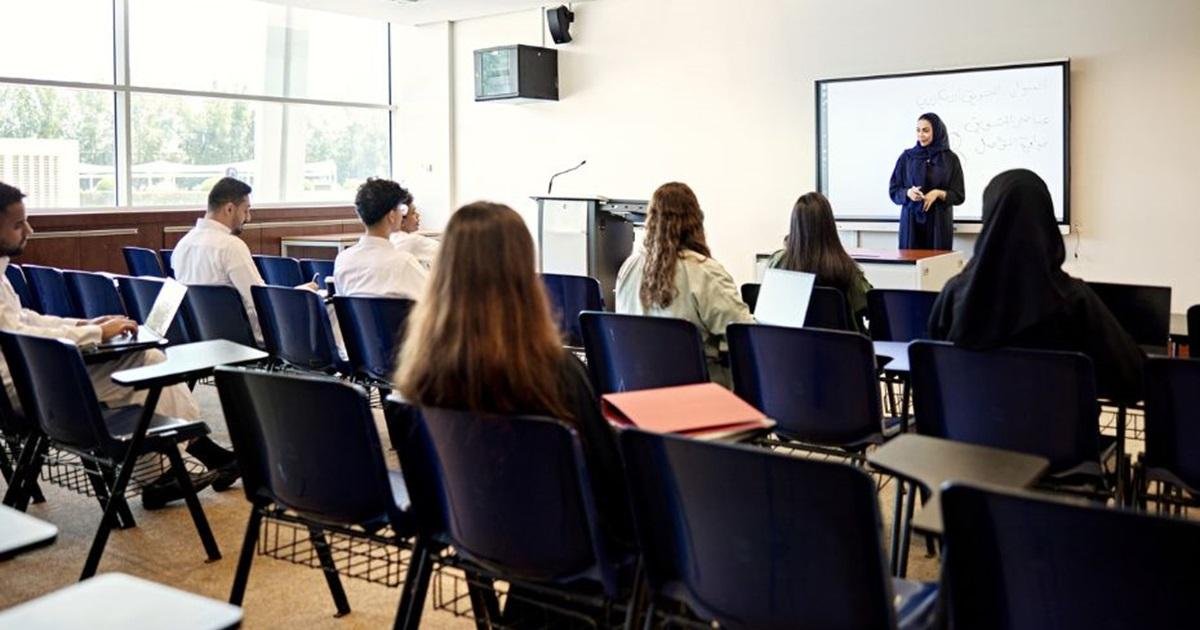
Young Iraqis have a central place in that future. Education in engineering, medicine, technology, business and the arts can help turn ambition into useful work. Women contribute through professions, education, household enterprise and community service, adding experience that national development needs. Sporting achievement also gives families a common language of pride, particularly through football.
Iraq has been a member of the Organisation of Islamic Cooperation since 1975. Its religious scholarship, sacred places and commercial ties connect it with communities across the Muslim world. Cooperation in education, health, agriculture, cultural preservation and business offers practical areas for partnership. Iraq can share experience from its own universities, institutions and producers while benefiting from knowledge elsewhere. Such exchanges give international friendship a useful role in people’s lives.
On National Day, Iraq celebrates a country whose identity includes ancient cities and modern classrooms, river communities and busy family businesses. The 1932 anniversary honours sovereignty while opening space to appreciate citizens’ creativity and service today. National memory remains strongest when people can preserve their heritage and build new opportunities together. For Iraqis and their friends across the OIC, 3 October is an occasion to wish the country peace, learning and a future in which talent has room to grow.
- Business News 112
- Country News 16
- Feature News 63
- International News 230
- Interview News 36
- National News 32