



Azerbaijan observes Victory Day today, 8 November, remembering the events of 2020 and honouring those who served and the families who bore the cost. Established by presidential order that year, the anniversary has a place of its own in the national calendar. For visitors getting to know Azerbaijan, the occasion also offers a reason to look beyond the ceremonies. One of the clearest introductions to the country is the sound of a singer accompanied by a small group of musicians.
The music is called mugham, and a performance can begin with a phrase that a listener hears again in several forms before the piece ends. The singer has room to vary the melody within a system that takes years to learn. A tar, a plucked instrument with a distinctive double-bowl body, and a kamancha, played with a bow, often accompany the voice. The singer may also play a frame drum, keeping time while following the turns of the melody.
Shusha, a hill town closely associated with Azerbaijani music, helps explain why this tradition holds such a strong place in national memory. The singer Khan Shushinski, who took his professional name from the town, carried its musical reputation to audiences well beyond it. The composer Uzeyir Hajibeyli, who grew up there, used mugham alongside elements of European opera in his work. Their stories give readers a way into the town’s history through the people who made music there.
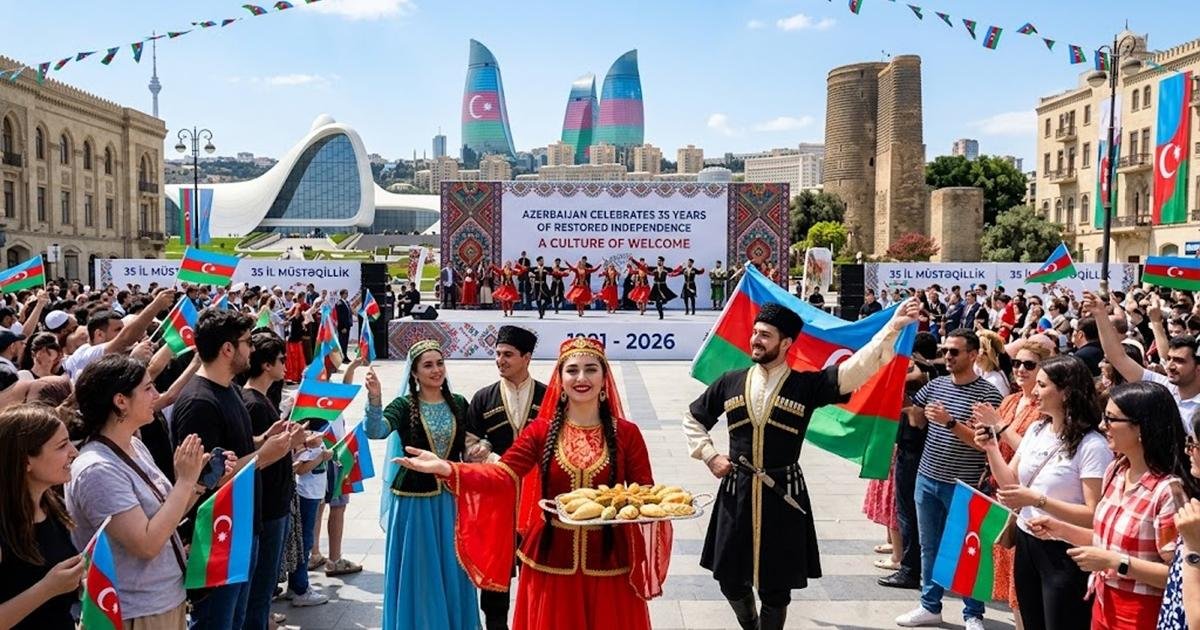
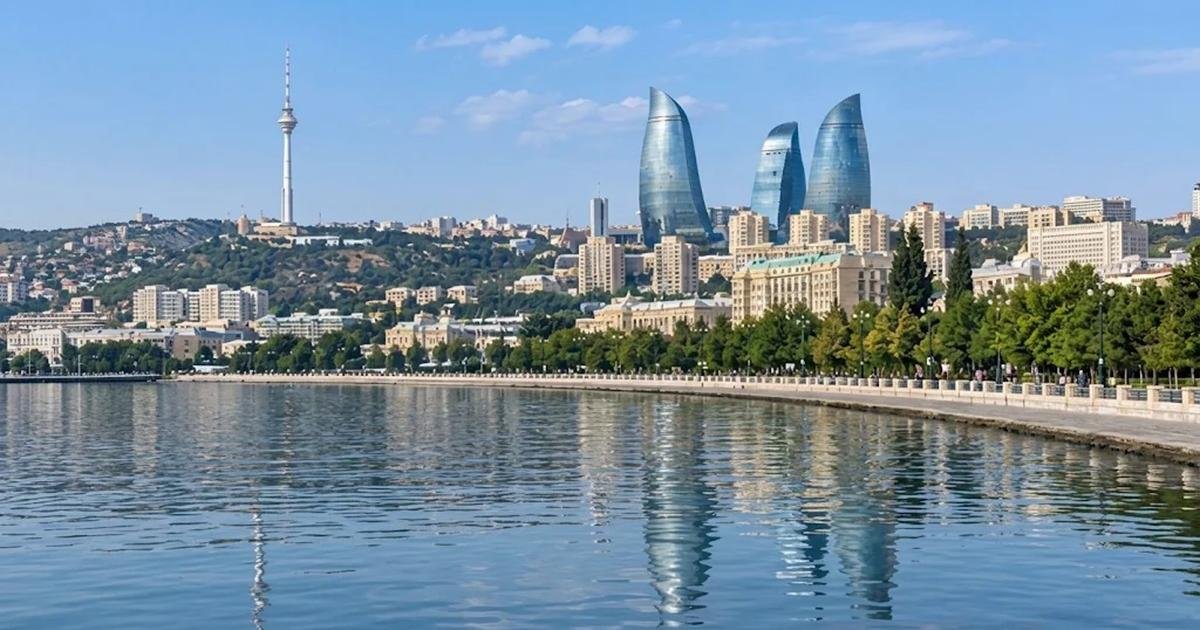
The capital offers a different introduction. In Baku’s walled Old City, narrow streets lead to the Maiden Tower and the Palace of the Shirvanshahs, both part of a UNESCO World Heritage site. A walk out towards the Caspian waterfront passes buildings from the era when oil brought new fortunes and architectural styles to the city. Families and visitors still use the promenade for an evening walk, with the old harbour city behind them and the broad water ahead.
The Caspian shore is only one part of Azerbaijan. To the north, the Greater Caucasus rises above orchards, farms and villages, and the wooded hills around Sheki look very different from the dry ground around Baku. Sheki’s historic centre preserves traces of the silk trade, including buildings that once accommodated merchants and their goods. The khans’ palace is known for coloured windows assembled from small pieces of glass held together by wooden frames.
Carpet making is another way to see how much changes from one region to another. Makers work with colours and patterns that have local names and associations, and the finished pieces furnish homes as well as museum galleries. The patterns reward a closer look, particularly when a maker can explain which details are traditional and which reflect a personal choice. The Azerbaijan National Carpet Museum in Baku brings examples from different parts of the country into one collection.
Hospitality is often easier to experience than to describe. A visitor may be offered tea in a pear-shaped glass, with preserves or sweets on the side, before the purpose of a visit is even discussed. At larger gatherings, rice dishes, herbs and filled pastries are served according to the season and the household. Meals and music both allow for regional differences, and people often take pleasure in explaining how their family does things.
Oil and gas remain important to the economy, while Azerbaijan’s location between the Caspian Sea and the Caucasus gives transport and trade a place in its plans for growth. Farms, food producers, hotels and small businesses provide another view of working life beyond the energy sector. The country’s membership in the Organisation of Islamic Cooperation also gives students, researchers and cultural institutions opportunities to meet counterparts elsewhere in the Muslim world. Music offers an especially direct point of contact, since listeners can follow a performance without sharing a language.
As Azerbaijan observes Victory Day, remembrance and an interest in the country’s cultural inheritance can sit side by side. The anniversary belongs to families whose memories of 2020 are personal, and it offers younger citizens a chance to learn about the places and traditions they inherit. A performance of mugham is one way to begin. Listening closely reveals how much one singer can keep of a familiar melody while making each performance their own, and why the same piece can still draw an audience that has heard it many times before.
- Business News 116
- Country News 16
- Feature News 67
- International News 248
- Interview News 36
- National News 41