



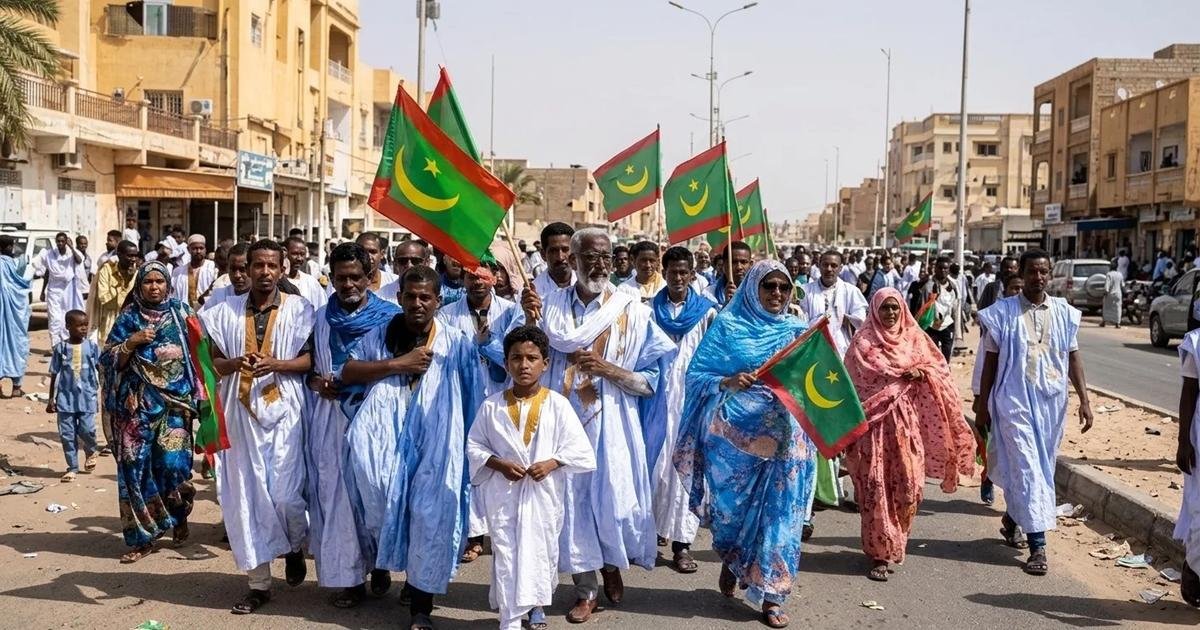
Mauritania celebrates its 66th Independence Day today, 28 November, remembering the establishment of the Islamic Republic of Mauritania in 1960. The national flag and public ceremonies give the occasion a proud place in the country’s calendar. Families and communities share greetings as they honour the achievement of sovereignty. The anniversary also offers a moment to appreciate Mauritania’s distinctive heritage, its generous traditions and the ambitions of a new generation.
For Mauritanians, Independence Day is an opportunity to recognise the work of citizens in every part of national life. Teachers, farmers, fishers, traders, healthcare workers and young entrepreneurs all contribute to the country’s future. The anniversary joins historical remembrance with a practical message about education, opportunity and responsible service. It is a celebration of a shared homeland whose people have long adapted to the demands and gifts of their environment.
Mauritania stretches from the Atlantic Ocean into the Sahara, connecting the western edge of North Africa with the Sahel. Desert plains, dunes, rocky plateaus and coastal wetlands give the country a strong geographic identity. Nouakchott, the capital, stands near the ocean and has grown into the main centre of administration, commerce and education. Nouadhibou, farther north, is an important port and fishing centre.
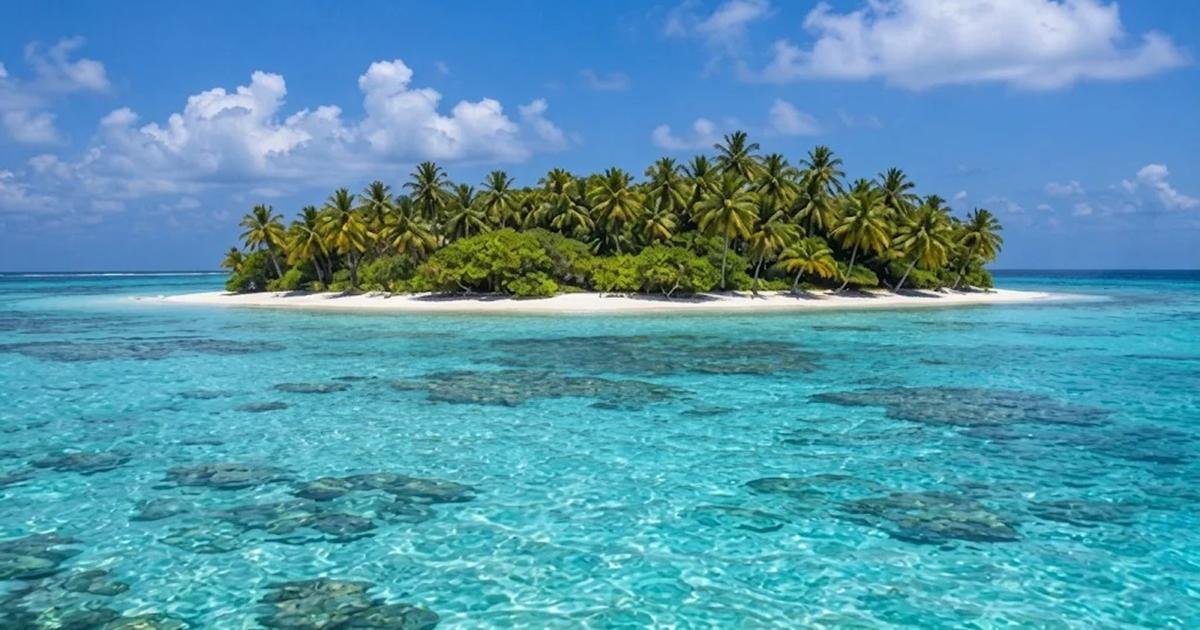
The Atlantic coast provides a striking contrast to the dry interior. The Banc d’Arguin National Park is recognised internationally for its marine habitats and vast numbers of migratory birds. Coastal communities have developed deep knowledge of tides, fisheries and changing seasons. The protection of these waters matters to biodiversity and to people whose livelihoods depend on the sea. It also shows how conservation and economic activity can support one another.
Mauritania has a distinguished history of scholarship and desert travel. Historic towns such as Chinguetti, Ouadane, Tichitt and Oualata once served caravans and centres of learning across trans-Saharan routes. Manuscripts, libraries, mosques and traditional architecture recall the exchange of knowledge and goods over many centuries. These towns remain important symbols of the country’s intellectual and cultural inheritance, attracting interest from visitors and researchers alike.
Arabic is the official language, and Hassaniya Arabic is widely spoken. Pulaar, Soninke and Wolof are also important national languages, reflecting the country’s connections across the Sahel and West Africa. Poetry and oral history hold an honoured place in social life. Families pass down stories, songs and knowledge through conversation, performance and teaching. These forms of expression help preserve the experiences of communities across generations.
Hospitality is among Mauritania’s most familiar traditions. Tea is often prepared and shared with care, turning a simple visit into a valued social occasion. Meals may include rice, fish, meat, millet, dates and dishes that reflect both desert and coastal ways of life. Traditional clothing, music and decorative arts bring additional colour to national gatherings. The warmth of everyday welcome gives the Independence Day celebration a personal meaning.
Fishing, livestock, mining, trade and services are central parts of the economy. Iron ore and other mineral resources support exports, while pastoral activities remain important in many regions. Renewable energy, including solar and wind power, offers possibilities suited to the country’s natural conditions. Better transport, processing facilities and skills training can help create more jobs and connect local producers with wider markets.
Mauritania’s young population is an important source of hope. Schools, universities and vocational institutions can prepare students for work in medicine, engineering, agriculture, fisheries, business and technology. Access to digital tools can help small enterprises and expand learning beyond major cities. Supporting women and young people in education and employment strengthens households as well as the wider economy. Their achievements deserve a visible place in national celebrations.
Islam has a central place in Mauritania’s history and public identity. Religious scholarship has influenced learning, literature and community values for centuries. As a member of the Organisation of Islamic Cooperation, Mauritania works within a wider network of countries connected by cooperation in education, trade, health and development. Its African and Arab links give it a valuable position for cultural exchange and practical partnership.
As Mauritania marks 66 years of independence today, the occasion brings together the Atlantic coast, historic desert towns and communities across the Sahel. Citizens celebrate the freedom to shape a national future while honouring the traditions that sustain their identity. From the care of natural resources to the education of young people, much of the country’s promise rests in steady daily effort. Independence Day offers a proud and welcoming expression of that shared purpose.
- Business News 120
- Country News 16
- Feature News 67
- International News 261
- Interview News 36
- National News 45