



The Maldives celebrates Republic Day today, 11 November, recalling the establishment of the present republic in 1968. The change came three years after the country gained independence and brought the era of the sultanate to a close. The anniversary belongs as much to the communities spread across the atolls as it does to Malé, the capital. A look at how people travel, work and learn across the islands offers a way to understand what they share.
In the Maldives, a trip to a neighbouring community can begin at a harbour. Boats carry school supplies, fresh produce, construction materials and passengers between islands, and the condition of the sea can shape the day’s plans. The local boat known as a dhoni remains a familiar sight, although its design and equipment have changed over time. A vessel that once depended on wind and sail has its modern counterparts in boats equipped for fishing, diving or passenger transport.
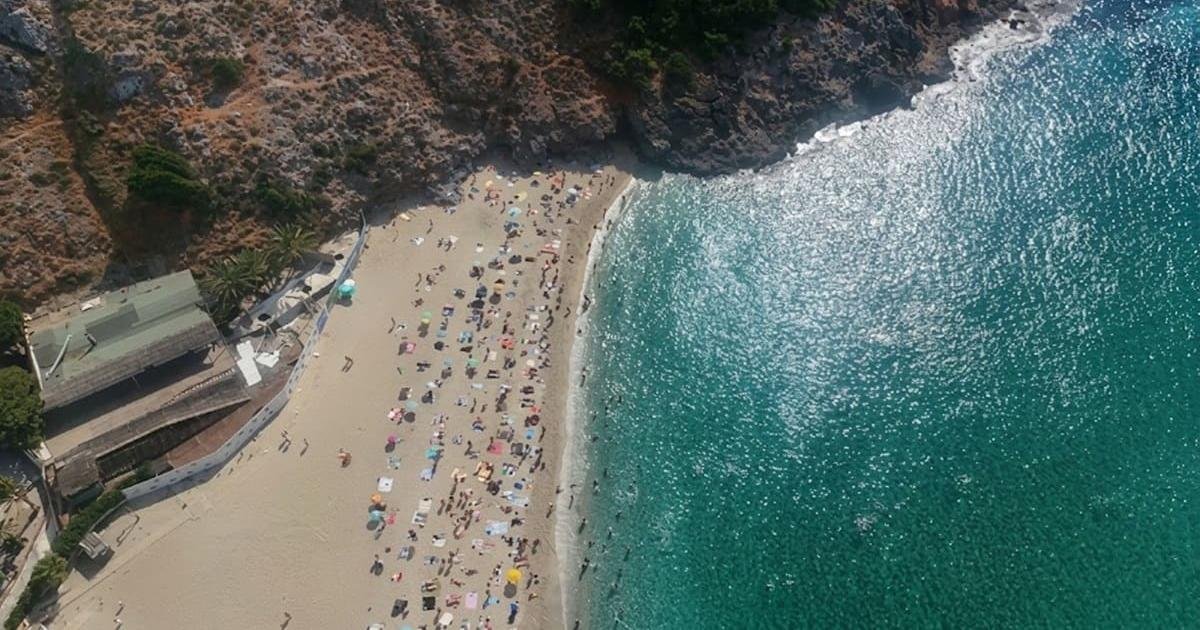
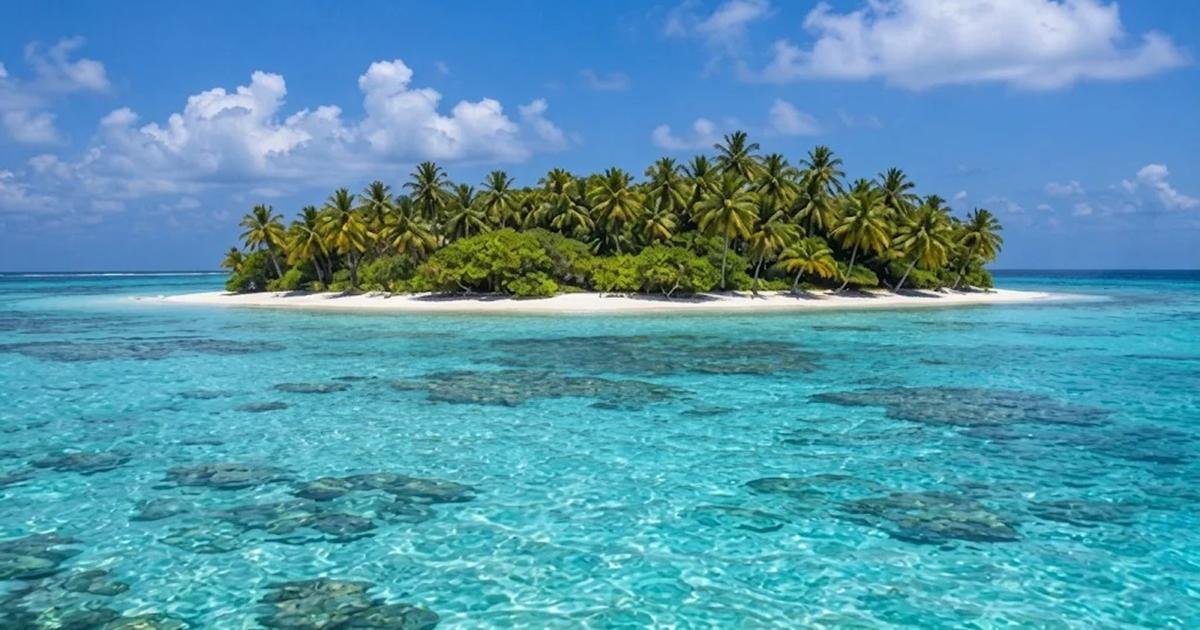
The islands are grouped in atolls, where reefs form rings or broken circles around lagoons. Channels through those reefs allow water and boats to pass, and the calmer water inside the lagoon often provides a place to anchor. A map shows why distances can be deceptive. Islands that look close together may sit on opposite sides of a reef, and a safe journey depends on knowing where the passages are.
Malé is a compact city where ferries, markets and government offices serve a country spread over a large area of ocean. In its fish market, the catch gives an indication of the work that begins long before dawn on some islands. Tuna is central to Maldivian cooking and to the fishing economy. Many crews use pole-and-line methods, taking fish individually, and their work supports people who process, sell and transport the catch.
Fish also connects the islands at the breakfast table. Mas huni, a mixture of tuna, coconut, onion and chilli, is often eaten with flatbread known as roshi. Dried or smoked tuna can travel well between islands and adds flavour to curries and snacks. Coconut, which provides food, fibre and shade, appears in other parts of daily life as well. A meal of familiar ingredients can still taste different depending on where it is prepared and who is cooking.
Dhivehi, the national language, is written in the Thaana script, which runs from right to left. The language links communities across the atolls, with regional differences that give speakers clues about where someone grew up. Music can carry a similar sense of home. Boduberu performances build around drums, singing and movement, with a pace that often quickens as the group and its audience join in.
Tourism brings visitors from across the world, and its reach extends from resorts to guesthouses on inhabited islands. It provides work for boat crews, cooks, guides, divers and people supplying goods and services. Tourism also gives local businesses a reason to explain how visitors can enjoy beaches and reefs with care. An excursion with a guide who knows the area can teach a guest how to watch marine life while giving it room to move.
In Baa Atoll, a UNESCO biosphere reserve, seasonal gatherings of manta rays draw attention to the conditions that support life in the lagoon and surrounding waters. The rays gather to feed where currents concentrate tiny organisms, and the timing depends on local conditions. Reefs also provide habitat for fish and help shelter islands from waves. Studying and caring for them is part of protecting both a source of income and the places where people live.
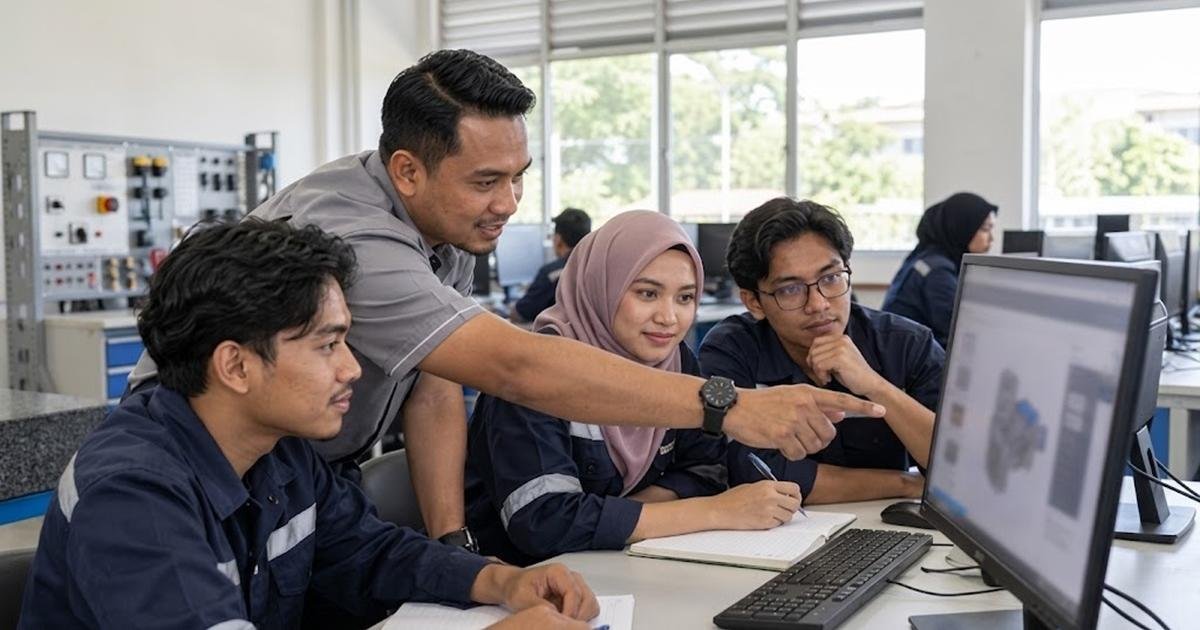
Education and public services give the republic another set of practical questions to answer. A student on a small island may need to travel for advanced courses, while digital connections can help bring some lessons and services closer to home. Membership in the Organisation of Islamic Cooperation provides a forum for the Maldives to exchange experience with other countries in education and development. Its own experience of serving scattered island communities is a contribution to those conversations.
On Republic Day, the history of 1968 gives the occasion its date, while daily journeys between islands give it a contemporary meaning. The teachers who serve small communities, the crews who keep supplies moving and the people who care for the reefs all help connect a country separated by water. Their work helps explain what is worth celebrating on 11 November. Across the atolls, the sea remains a route between neighbours, even when their homes are many kilometres apart.
- Business News 116
- Country News 16
- Feature News 67
- International News 250
- Interview News 36
- National News 42