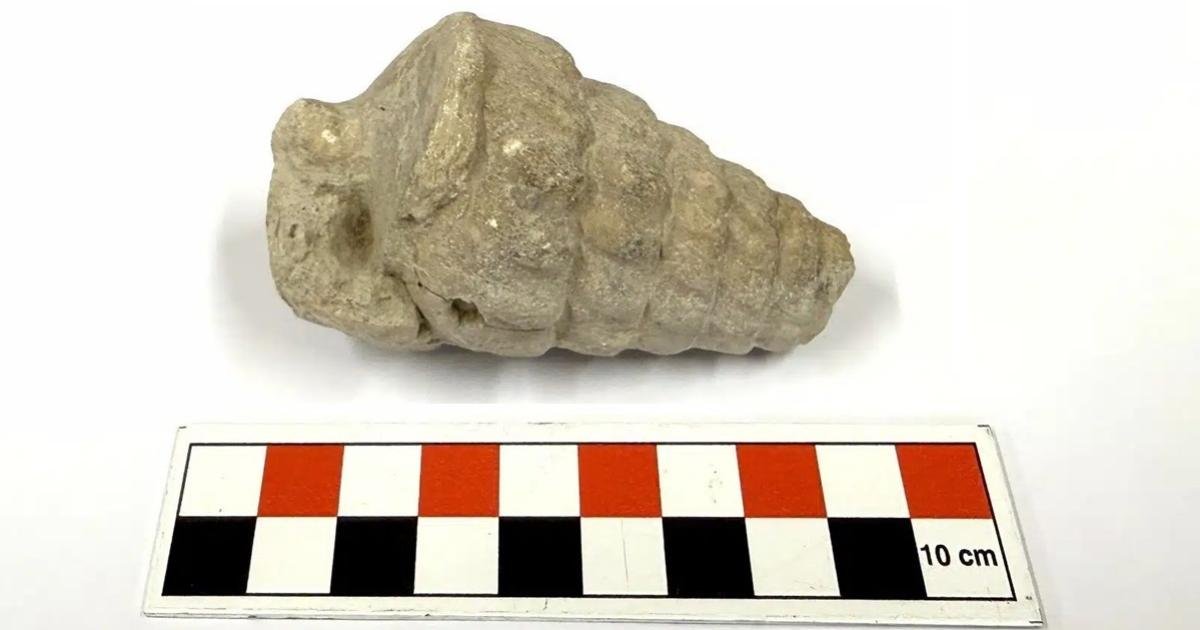





Archaeologists have found carbonised black figs dating to around 6300 BC at Andık Cave in the Havran district of northwestern Türkiye. Carbon-14 analysis by the Scientific and Technological Research Council of Türkiye's Marmara Research Center confirmed that the remains are about 8,000 years old. The finding indicates that Havran's well-known fig has grown in the area since the Neolithic period.
The cave lies on Kocaçal Hill, about two kilometres from Havran's İnönü neighbourhood, and reaches a depth of 59 metres. Archaeologist Kılıç Kökten discovered it in 1949, but current excavations are being led by Professor Derya Yalçıklı of Çanakkale Onsekiz Mart University. The team has found pottery, stone and bone tools, habitation areas, floor surfaces and a cave-wall image showing a mountain summit and a leopard.
Reaching the site requires researchers to travel by off-road vehicle and then carry supplies through narrow terrain, including part of the journey with help from a donkey. Despite the difficult access, the excavation has revealed evidence of human activity beginning after 6700 BC. The cave was later used during the Early and Late Bronze Ages, with some limited use also recorded in the Byzantine period.
Food remains found in the cave include barley, wheat and a large number of well-preserved figs. Yalçıklı said the figs appeared to have been gathered and stored together, which suggests they formed part of the inhabitants' diet. The discovery connects a major local product of present-day Havran with people who lived in the same region thousands of years ago.
- Business News 112
- Country News 16
- Feature News 60
- International News 230
- Interview News 36
- National News 32