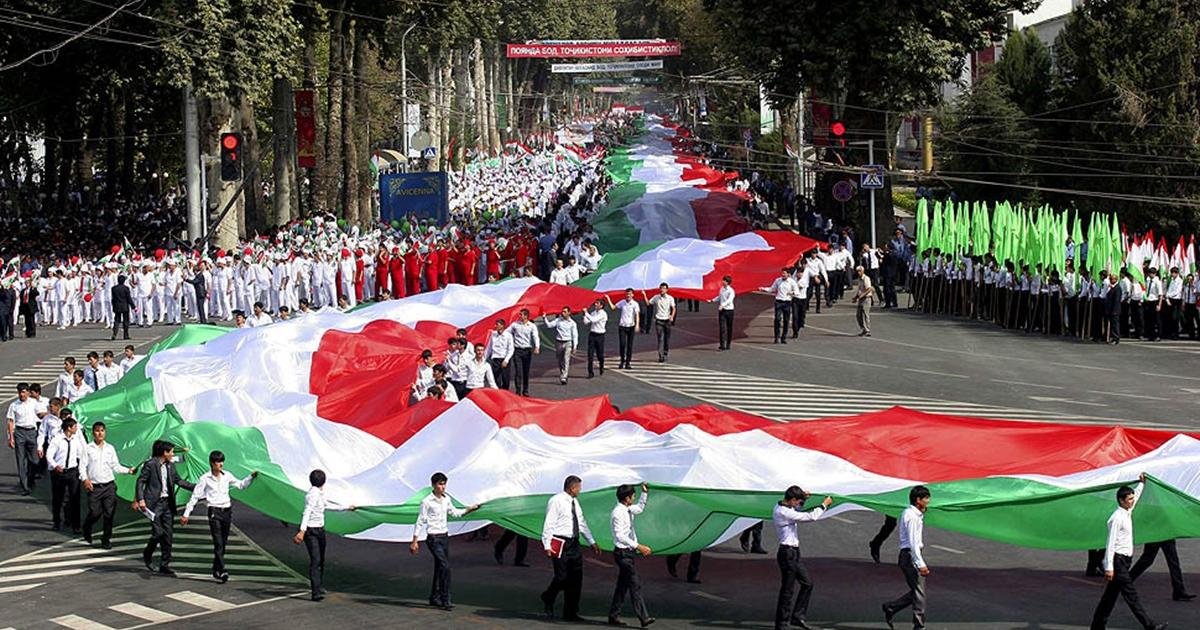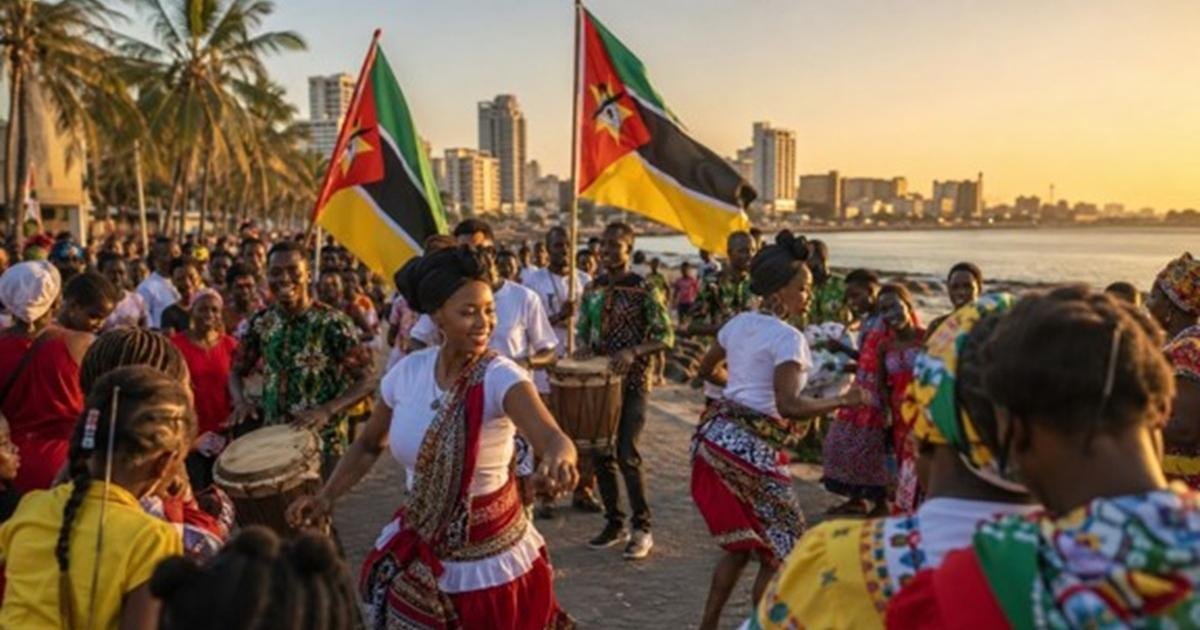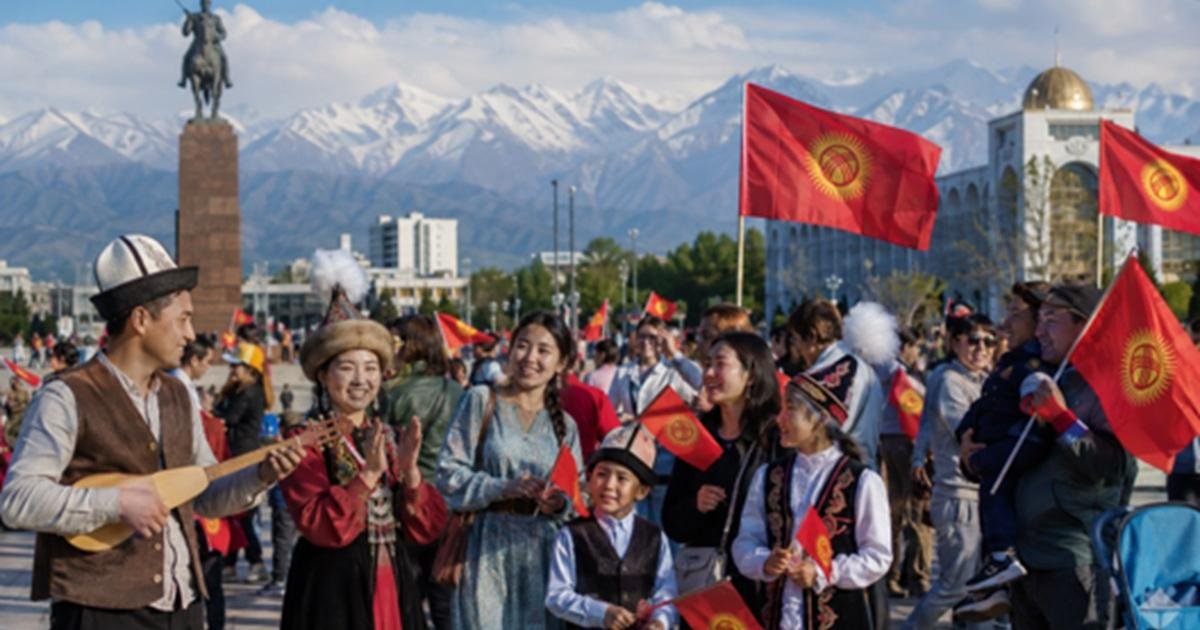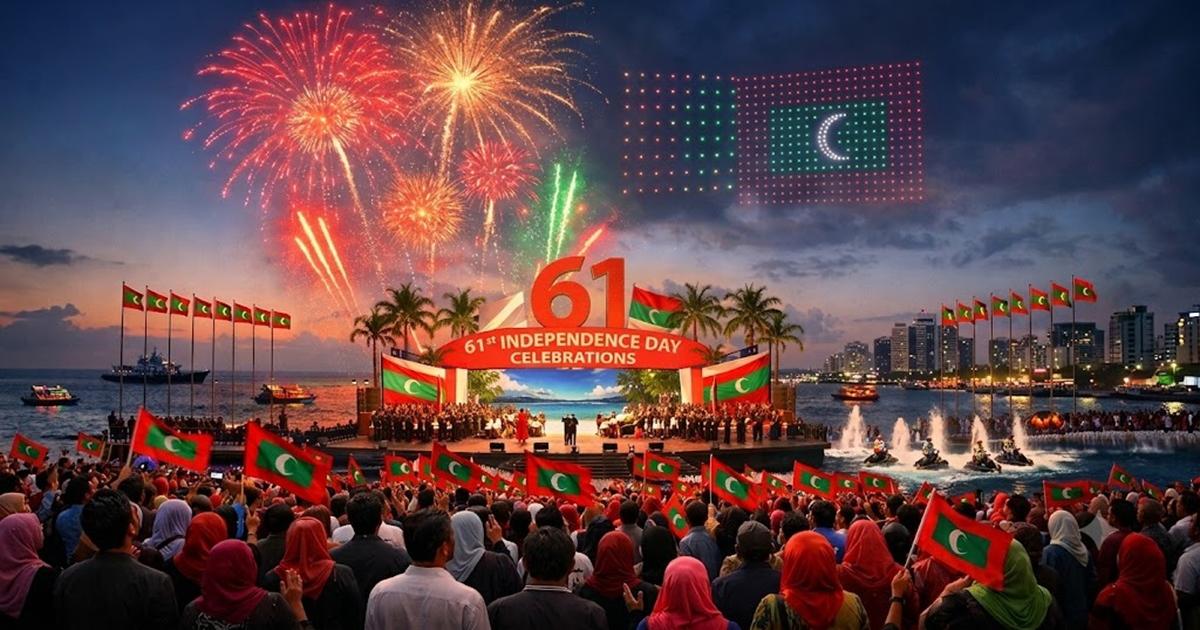




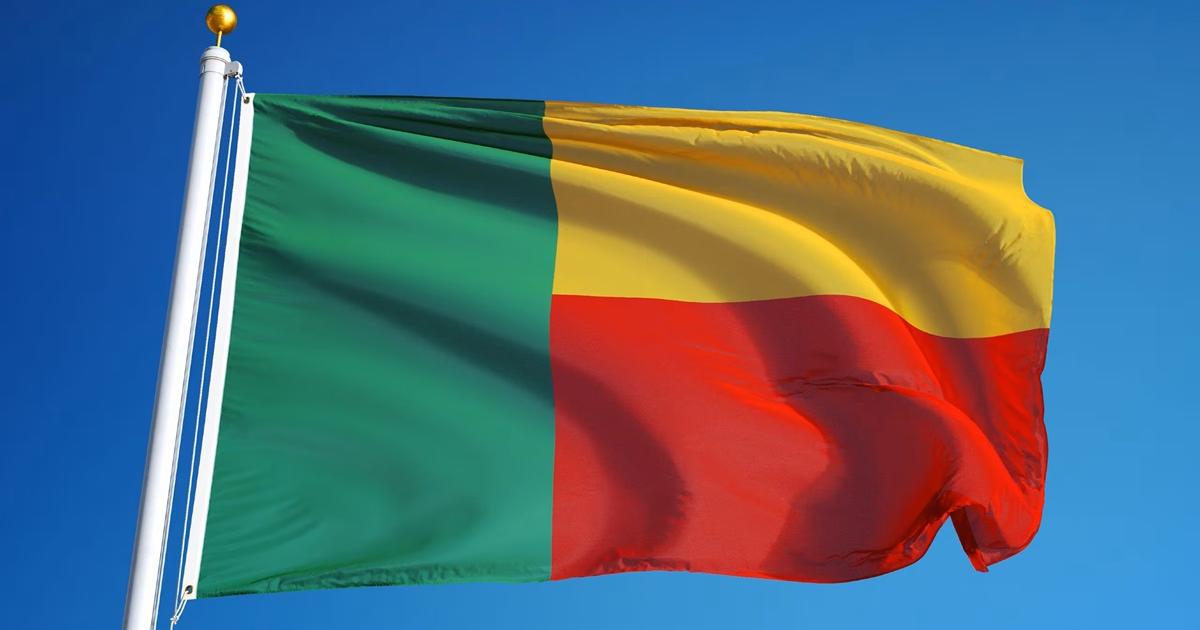
Benin celebrates its 66th Independence Day today, 1 August, honouring the moment in 1960 when the country gained sovereignty from France. National flags, official ceremonies, cultural programmes and community gatherings give the day a joyful atmosphere from Porto-Novo and Cotonou to towns and villages across the country. Citizens remember the achievement of independence while celebrating the identity they continue to build together.
The anniversary is a time for gratitude and national confidence. It honours earlier generations who worked for self-rule and gives present generations an opportunity to recognise their own role in Benin’s progress. Families and communities take part through music, dance, public events and shared meals, bringing history into the daily life of the nation.
Benin stretches from the Gulf of Guinea northwards towards the Niger River, giving the country a rich range of climates and communities. Porto-Novo is the official capital, while Cotonou is the largest city, the seat of government and the main commercial centre. The Port of Cotonou is especially important, serving Benin’s own economy and trade routes that reach neighbouring landlocked countries.
The country’s heritage reaches far beyond the independence era. The historic Kingdom of Dahomey left a major cultural and architectural legacy, most visibly at the Royal Palaces of Abomey. Benin is also widely recognised as a birthplace and spiritual centre of Vodun, a faith and cultural tradition that has influenced communities across Africa and the African diaspora.
This heritage lives through art, storytelling, ceremonies, textiles, sculpture and music. Artists from Benin work in both inherited and contemporary forms, often presenting local history in ways that speak to modern audiences. The country’s rhythms, dances and festivals show how communities preserve memory through performance and shared participation.
Benin’s natural environment is equally varied. The south includes a narrow Atlantic coast, lagoons and busy urban areas, while the north opens into savanna and protected wildlife zones. The W-Arly-Pendjari area, shared with Burkina Faso and Niger, is recognised internationally for its ecological importance and represents a valuable part of West Africa’s natural heritage.
Agriculture remains central to the lives of many Beninese families. Cotton is a major export, while farmers also produce maize, cassava, yams, rice, pineapples, cashews and soybeans. Trade, transport, services and small enterprise add energy to the economy, and there is increasing attention to processing more agricultural goods locally so that communities gain greater value from what they produce.
Benin has a notably young population, making education and employment essential national priorities. Young people are active in business, technology, creative work, farming and public service, and many are finding new ways to connect local knowledge with digital tools. Better training, stronger infrastructure and wider access to finance can help this generation turn ideas into livelihoods and national benefit.
Women play a major role in this economic and social activity. Their work is especially visible in farming, food processing, markets, retail and family enterprises, where experience and daily organisation keep local commerce moving. Supporting women-led businesses can strengthen household incomes while creating more opportunities within communities.
Religious and cultural coexistence is another important part of Benin’s social character. Muslims, Christians and followers of traditional beliefs live across the country, often sharing community celebrations and family ties. This everyday contact gives Independence Day a broad meaning, because the occasion belongs to citizens from every region, language group and faith.
Benin’s membership in the Organisation of Islamic Cooperation strengthens its relations with countries across Africa, Asia, the Middle East and beyond. Through the OIC, it can expand cooperation in education, health, agriculture, trade, culture and social development. Its participation also reflects the organisation’s diversity and the place of Muslim communities within Benin’s wider national family.
The country’s food offers another welcoming introduction to its people. Dishes based on maize, yams, cassava, beans, fish, meat and rich sauces vary across regions and households. Markets fill with colour, conversation and local produce, while shared meals express the generosity that visitors often associate with Beninese hospitality.
As Benin celebrates Independence Day today, it honours 66 years of sovereignty and the strength of a nation built from many communities. The day recalls a historic achievement, but it also belongs to farmers, traders, artists, teachers, young entrepreneurs and families shaping the country now. With pride in its heritage and confidence in its people, Benin looks towards a future of unity, opportunity and shared progress.
- Business News 111
- Country News 16
- Feature News 55
- International News 227
- Interview News 36
- National News 31