



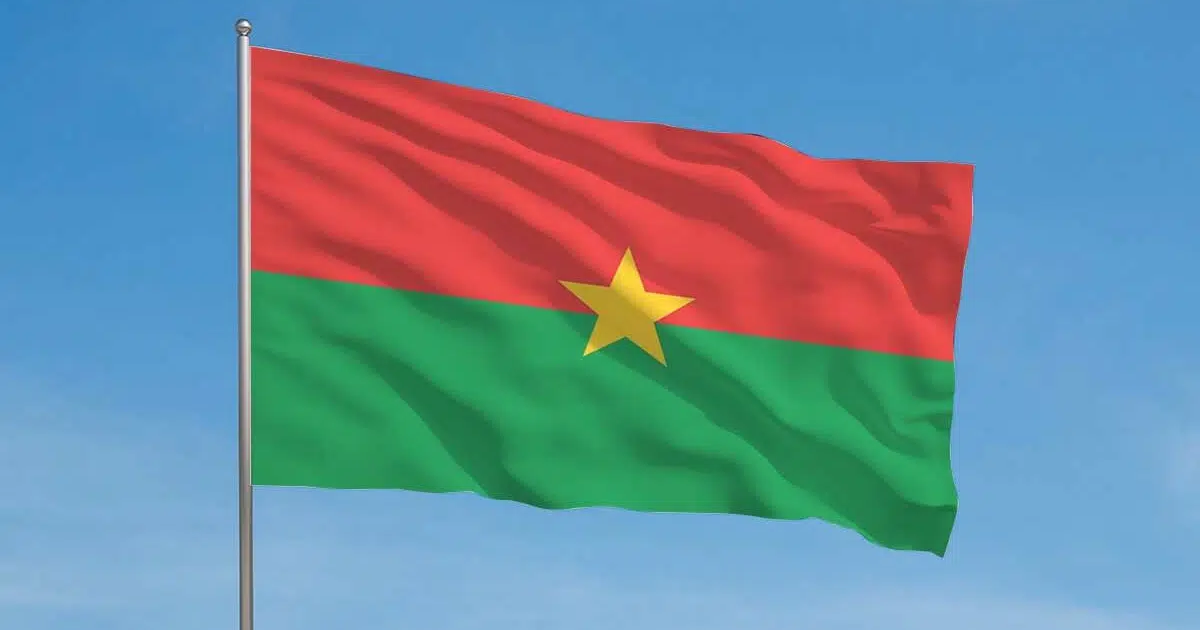
Burkina Faso celebrates its 66th Independence Day today, 5 August, recalling the country’s achievement of full sovereignty in 1960. Across the nation, the anniversary is observed with national flags, public programmes, music and community gatherings. It offers Burkinabè citizens a positive moment to honour their history and celebrate the values that bind them together.
At independence, the country was known as Upper Volta, a name linked to the Volta River system. In 1984, it became Burkina Faso, commonly understood as the “land of upright people,” combining words from two widely spoken local languages. The name expresses dignity, honesty and responsibility, qualities that give the Independence Day celebration a special moral meaning.
Burkina Faso lies in the heart of West Africa and is bordered by six countries. Its capital, Ouagadougou, is a busy centre of administration, education, commerce and culture, while Bobo-Dioulasso is known for music, historic architecture and trade. Beyond the cities, villages and farming communities remain central to national life and social identity.
The country’s population includes Mossi, Fulani, Bobo, Gurunsi, Lobi, Senufo and many other communities. Mooré, Dyula and Fula are among the important national languages, alongside French and numerous local languages used in daily life. This variety appears in clothing, music, dance, oral history, religious practice and community celebrations.
Burkina Faso holds a respected place in African cinema. Ouagadougou hosts the Pan-African Film and Television Festival of Ouagadougou, widely known as FESPACO, which brings filmmakers and audiences together from across the continent. The city is also associated with a major international artisan fair, giving makers a valuable platform for textiles, leatherwork, jewellery, woodcarving, metalwork and decorative arts.
Long before the modern state, communities in the region developed advanced knowledge of iron production. Ancient furnaces, mines and settlement traces at several locations show a technical tradition extending back many centuries. These sites, together with the Ruins of Loropéni and the decorated Royal Court of Tiébélé, give Burkina Faso a heritage of local skill, architecture and organised community life.
Agriculture supports a large share of Burkinabè households. Cotton is an important cash crop, while farmers also grow sorghum, millet, maize, rice, sesame, cowpeas and groundnuts. Livestock, trade, gold production, services and small manufacturing also contribute to the economy, creating opportunities to expand local processing and retain more value within the country.
Water management and climate-smart farming are especially important in the Sahel. Communities have long used local knowledge to conserve soil and make careful use of seasonal rainfall. New irrigation methods, solar power, improved storage and better market connections can support these efforts, reduce losses and help farmers and small businesses plan with greater confidence.
Young people bring energy to Burkina Faso’s national life. They are active in education, agriculture, sport, music, film, technology and enterprise, and their ideas are essential to the country’s long-term progress. Investment in skills and employment can help them turn creativity into stable livelihoods while strengthening communities across both urban and rural areas.
Sport also creates moments of shared national excitement. Football is followed with particular enthusiasm, from informal games on local grounds to the national team’s international matches. These occasions bring communities together and show young people how discipline, teamwork and confidence can turn effort into achievement.
Islam is the faith of a majority of the population, while Christian and traditional religious communities also form important parts of society. Families and neighbourhoods often maintain bonds across religious lines, and mutual respect is visible in shared social occasions. Burkina Faso’s membership in the Organisation of Islamic Cooperation adds further opportunities for partnership in education, agriculture, health, culture, trade and development.
Food and hospitality give Independence Day celebrations a familiar warmth. Millet and sorghum dishes, rice, sauces, grilled meat and locally produced drinks bring families and friends around the same table. Music and dance add movement to the occasion, showing that national pride is carried not only in official ceremonies but also in the joy of communities.
As Burkina Faso marks 66 years of independence today, it celebrates the courage, creativity and work of its people. The anniversary honours the achievement of sovereignty while inviting every generation to contribute to unity and national wellbeing. Proud of its culture and the meaning of its name, the land of upright people looks ahead with determination and hope.
- Business News 111
- Country News 16
- Feature News 55
- International News 227
- Interview News 36
- National News 31