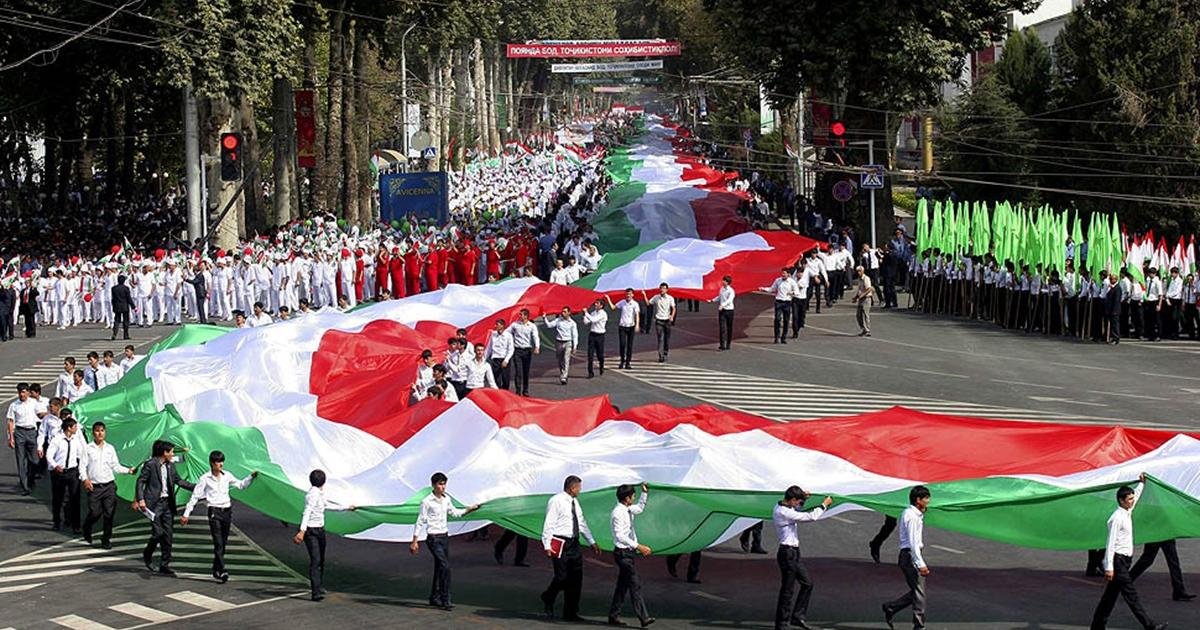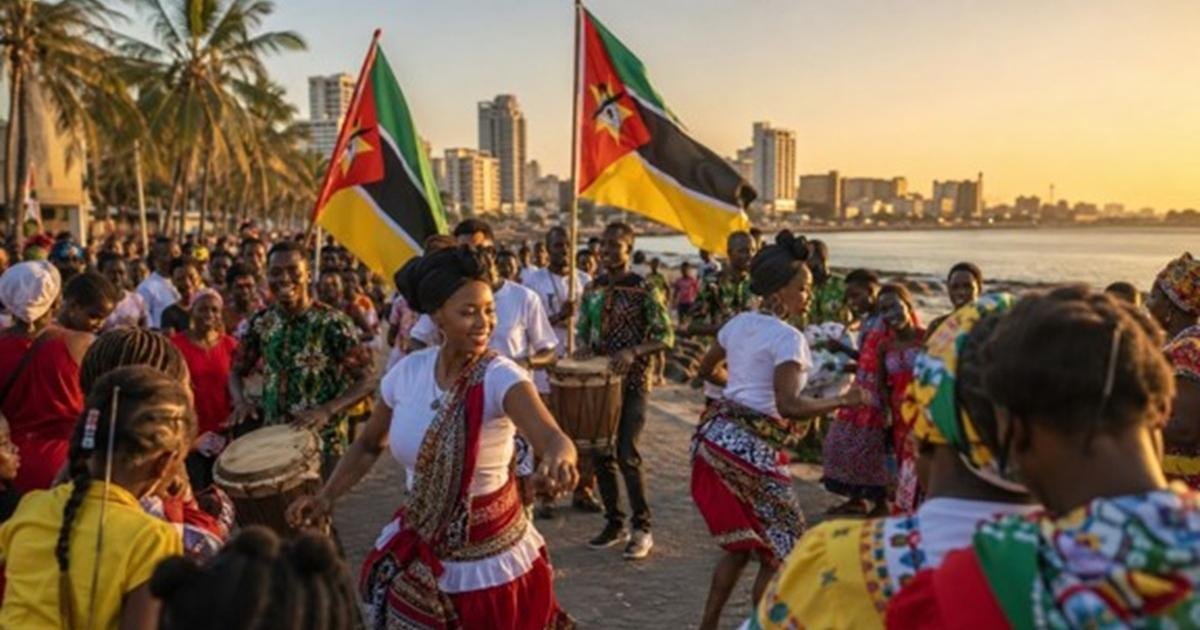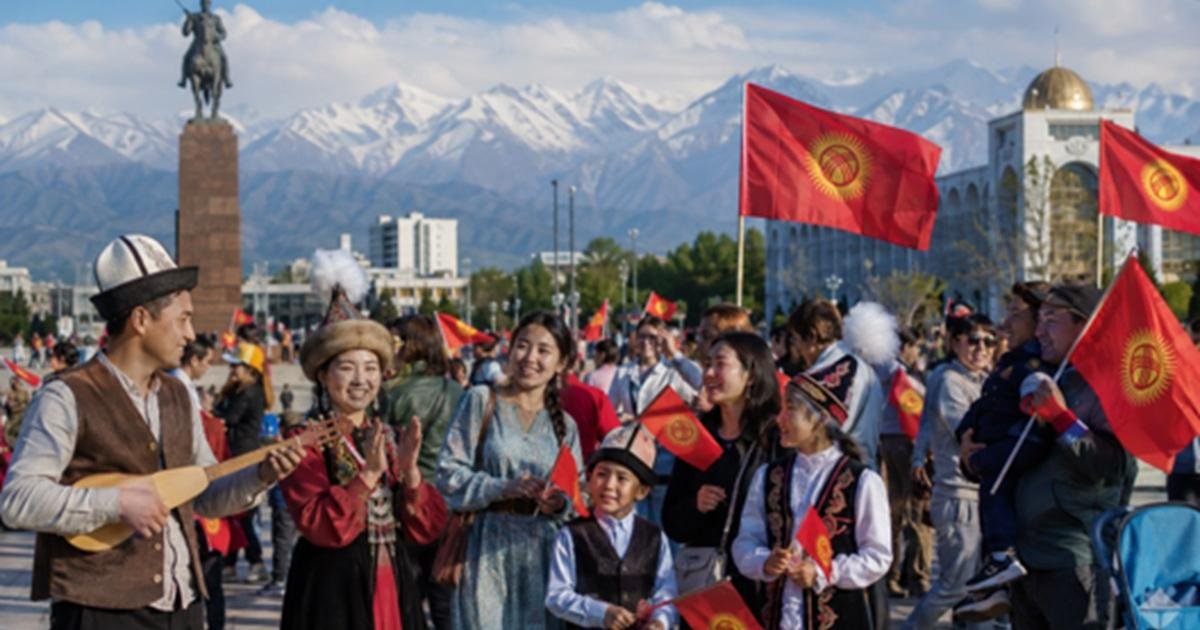




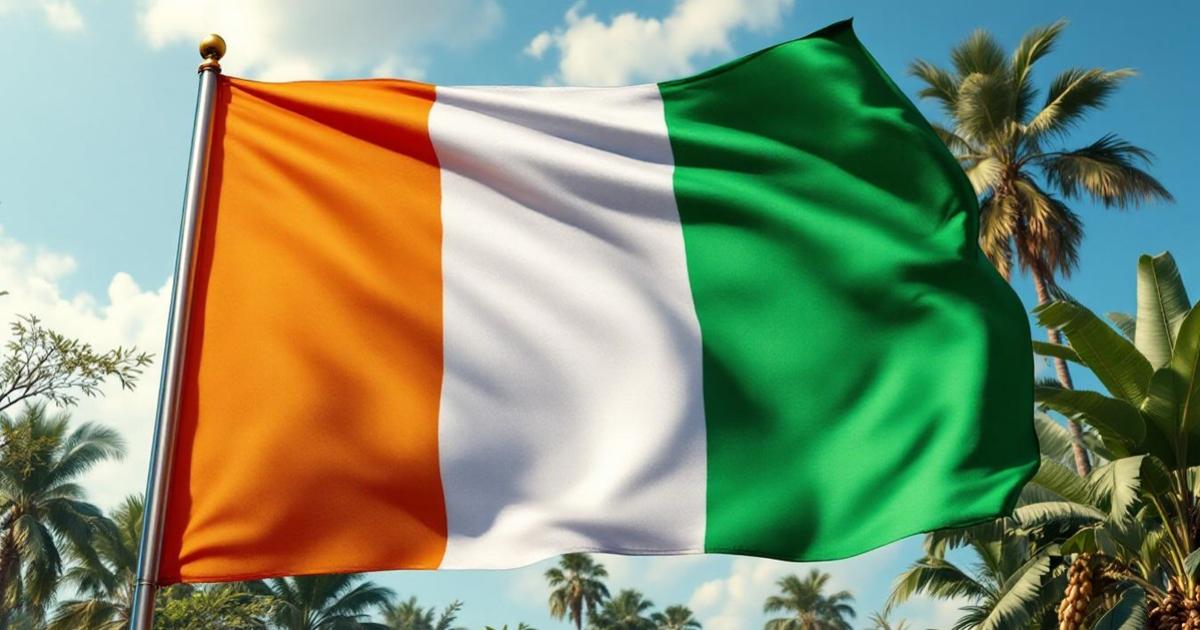
Côte d’Ivoire celebrates its 66th Independence Day today, 7 August, honouring the proclamation of sovereignty in 1960. The orange, white and green national flag appears across cities, towns and villages as citizens take part in ceremonies, performances, family gatherings and public celebrations. The day brings together historical memory, cultural pride and confidence in the country’s future.
The anniversary remembers the generation that led Côte d’Ivoire into independence, including Félix Houphouët-Boigny, who became the country’s first president. In today’s celebration, however, the focus reaches beyond official history to the millions of citizens who build the nation through work, study, enterprise, art and public service. Independence Day belongs to every region and community.
Located on the Gulf of Guinea, Côte d’Ivoire has a long Atlantic coastline, busy ports, fertile agricultural zones, forests and northern savanna. Yamoussoukro is the political capital, while Abidjan is the largest city and the country’s main commercial centre. With its lagoon, modern skyline, cultural venues and port, Abidjan serves as a leading business gateway for West Africa.
Côte d’Ivoire is home to many ethnic and language communities, including Akan, Krou, Mandé and Gur peoples. Their traditions contribute to a national culture rich in music, dance, masks, textiles, sculpture and storytelling. French is the official language, while numerous Ivorian languages remain active in homes, markets, music and community life.
Music gives the country an international voice. Ivorian performers have helped popularise styles such as coupé-décalé and zouglou, while older regional forms remain central to ceremonies and festivals. Football inspires similar national enthusiasm, bringing people together in neighbourhoods, schools and stadiums and giving young athletes powerful examples of achievement.
Fashion and design add further colour to Ivorian cultural life. Tailors and designers use printed fabrics, bold combinations and local styles to create clothing for daily wear and major celebrations. Their work links personal expression with enterprise and gives skilled makers an important place in the creative economy.
The nation’s heritage includes the Historic Town of Grand-Bassam, the first colonial capital, as well as the Sudanese-style mosques of the north. Natural sites such as Taï and Comoé national parks protect important forests, rivers and wildlife. Together, these places show the range of Ivorian history and geography and the value of preserving it for future generations.
Côte d’Ivoire is widely known as the world’s largest producer of cocoa and a leading producer of cashew nuts. Coffee, rubber, palm oil, cotton, fruit and other crops also support trade and rural livelihoods. The country’s economic strength increasingly includes construction, transport, banking, telecommunications, energy, manufacturing and food processing.
Adding more local value to agricultural products offers further possibilities. Cocoa and cashews can support a wider range of domestic businesses when more cleaning, processing, packaging and manufacturing take place within the country. This can create jobs for young people, raise demand for technical skills and connect farmers more closely with expanding consumer markets.
Côte d’Ivoire’s people are youthful, creative and increasingly connected. Students, entrepreneurs and professionals are using digital services in finance, retail, transport, agriculture and communication. Continued investment in education, reliable power, infrastructure and business support can help new ideas grow into companies that serve both local and regional needs.
Islam has deep roots in northern communities and is an important part of national life, while Christianity and traditional beliefs are also widely practised. Religious occasions, family links and commercial ties often bring citizens of different backgrounds together. As a member of the Organisation of Islamic Cooperation, Côte d’Ivoire can deepen cooperation with other member states in trade, education, culture, food security and investment.
Ivorian hospitality is perhaps best experienced around food. Attiéké, made from cassava, is served with fish, meat and sauces, while foutou, rice dishes and regional specialities bring variety to family tables. Markets, roadside restaurants and home kitchens turn local ingredients into meals that are closely linked with friendship and celebration.
As Côte d’Ivoire marks Independence Day today, the country honours 66 years of sovereignty and the shared effort behind national progress. From cocoa-growing communities to Abidjan’s businesses, from historic towns to new technology ventures, Ivoirians celebrate a nation of energy and talent. The anniversary offers a joyful invitation to protect unity, value cultural heritage and build opportunities that reach every part of society.
- Business News 111
- Country News 16
- Feature News 55
- International News 228
- Interview News 36
- National News 31