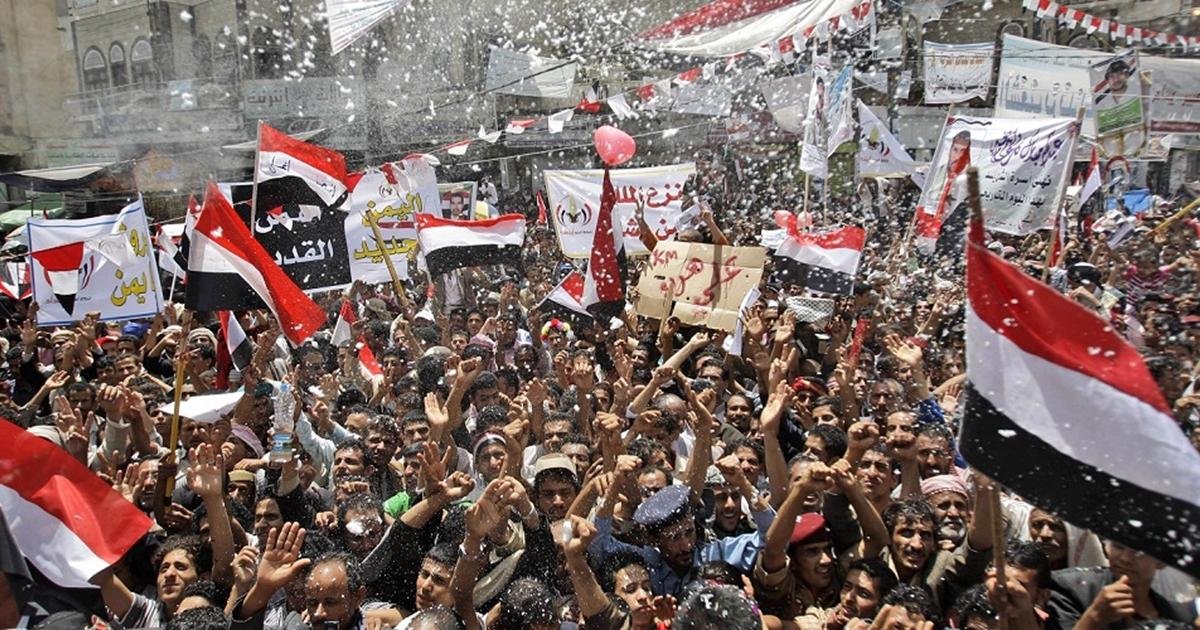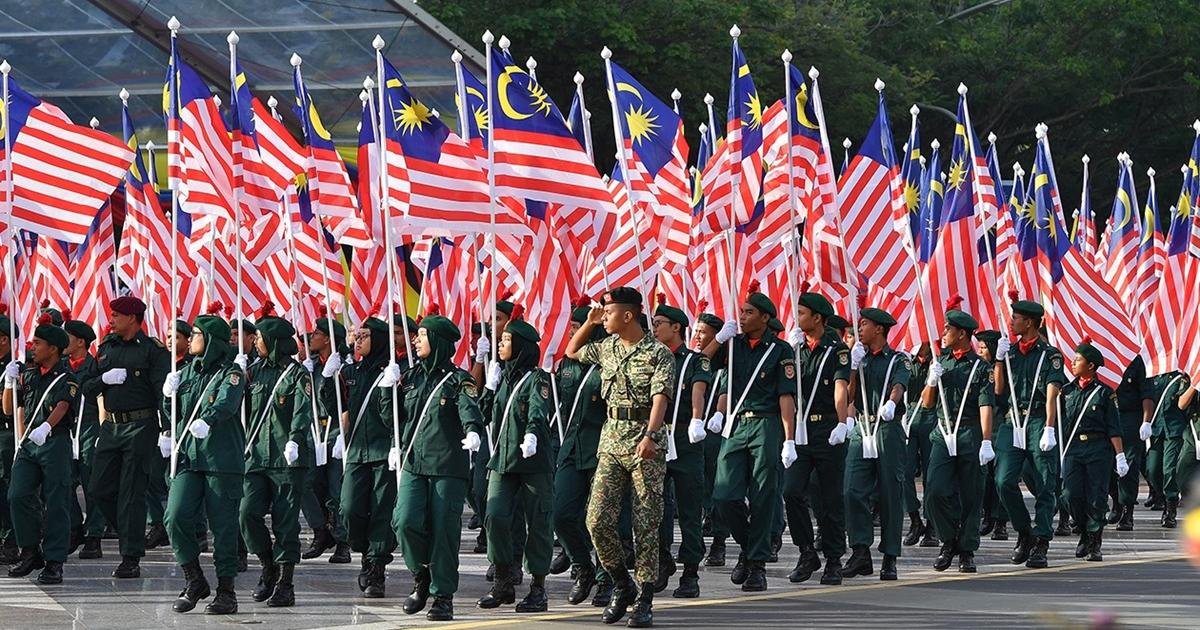




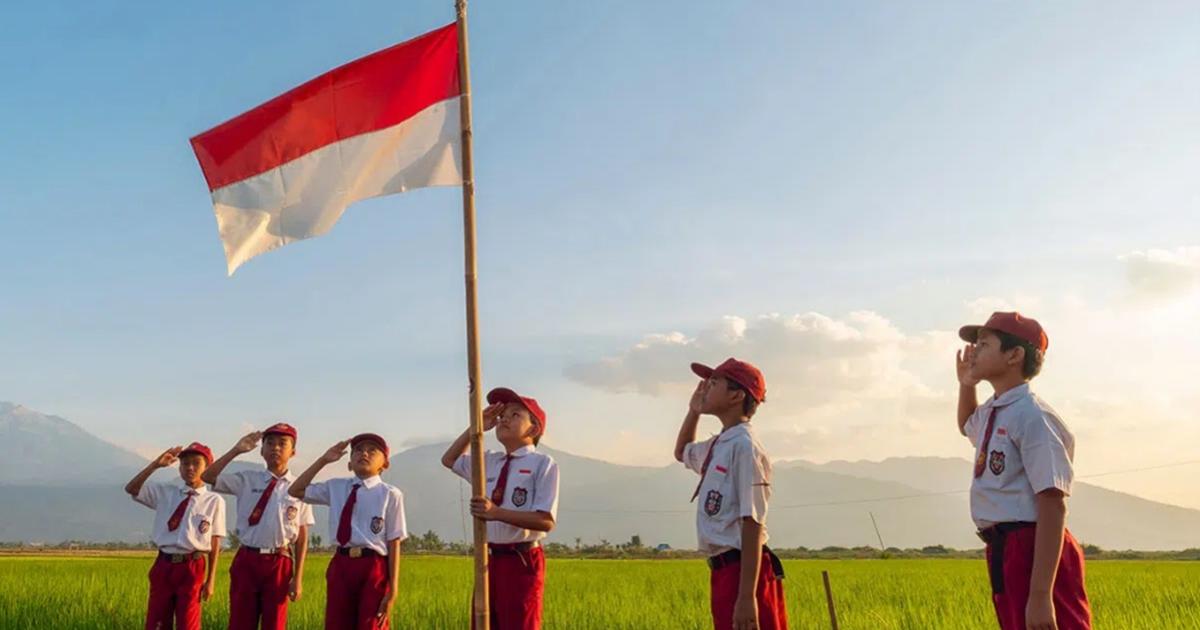
Indonesia celebrates Independence Day today, 17 August, honouring the proclamation made by Sukarno and Mohammad Hatta in 1945. Red and white flags fill neighbourhoods, schools, offices and public spaces across the country’s many islands. Ceremonies, community games, cultural shows and family gatherings turn the anniversary into one of the most widely shared events of the year. Indonesians abroad also join the celebration, bringing together people of different ages and backgrounds around a strong national identity.
The proclamation of 1945 announced Indonesia’s determination to govern itself and build a future as one nation. Its words were brief, but the national journey that followed required courage, organisation and a common purpose across a vast archipelago. Today, the anniversary remembers that historic declaration and the work of generations who have contributed to the republic. It also renews the national message of unity within great diversity.
Indonesia is the world’s largest archipelagic country, extending between the Indian and Pacific oceans. Thousands of islands form a maritime nation whose major regions include Sumatra, Java, Kalimantan, Sulawesi, Papua, Maluku, Bali and Nusa Tenggara. Seas connect these islands rather than simply separating them, supporting trade, food, travel and cultural contact. Volcanoes, rainforests, fertile valleys, coral waters and long coastlines give the country an extraordinary natural character.
The people of Indonesia speak hundreds of local languages and maintain many distinct customs. Bahasa Indonesia provides a common national language, allowing people from distant islands to communicate while regional languages remain active in daily life. The national motto, Bhinneka Tunggal Ika, or Unity in Diversity, expresses this ability to share one citizenship without losing local identity. Independence Day makes that idea visible in villages, cities and island communities from west to east.
Celebrations are known for their friendly community spirit. Flag-raising ceremonies give the morning a formal beginning, while neighbourhood contests bring laughter later in the day. Sack races, cracker-eating competitions, team games and panjat pinang, in which participants work together to climb a slippery pole, are familiar features of the occasion. These activities make the national day accessible to children, families and neighbours, turning history into a shared public experience.
Indonesia’s cultural wealth adds energy to the celebration. Batik carries regional patterns and meanings, wayang puppet theatre keeps ancient storytelling alive, and gamelan music gives many ceremonies and performances a distinctive sound. Dance, architecture and cuisine change from island to island, offering everything from rendang and satay to soto, sambal and countless local dishes. This variety has helped Indonesian culture gain admirers across Asia and around the world.
The country has one of Asia’s largest economies, supported by manufacturing, agriculture, fisheries, mining, trade, tourism and services. Palm oil, rubber, coffee, cocoa, spices and seafood connect rural producers with domestic and international markets. Factories produce vehicles, electronics, garments and other goods, while a fast-growing digital sector supports online commerce, finance and creative businesses. Better links between islands can help more regions benefit from these opportunities.
Indonesia’s young population is a major source of ideas and enterprise. Students and business founders are using technology to solve problems in transport, education, retail, farming and public services. Musicians, filmmakers, designers and food entrepreneurs are also reaching audiences far beyond their home provinces. Continued investment in learning, skills and reliable digital access can help young Indonesians take an even larger role in national development.
As the country with the world’s largest Muslim population, Indonesia has an important voice in the Organisation of Islamic Cooperation. It contributes experience from Southeast Asia and works with fellow members in education, trade, science, food security, culture and humanitarian action. Indonesia’s plural social character also shows how a large Muslim-majority nation can maintain many languages, ethnic traditions and religious communities. Cooperation through the OIC gives the country further opportunities to connect its institutions, businesses and young people with partners across Africa, Asia, the Middle East and beyond.
Indonesia’s position between major oceans gives it a natural role in international commerce and maritime cooperation. Its ports and sea routes carry goods through one of the busiest parts of the world, while its fisheries support millions of livelihoods. Protecting oceans, mangroves, forests and coral reefs is therefore closely linked to food, jobs and national well-being. The spirit of Independence Day can strengthen public care for these shared resources.
As Indonesia celebrates Independence Day today, red and white colours express both historical pride and confidence in what lies ahead. The anniversary belongs to every island, language and community that forms the republic. It honours freedom while celebrating the everyday cooperation that keeps such a large and varied nation connected. For the OIC family and the wider world, Indonesia’s national day is an occasion to recognise its cultural vitality, economic energy and enduring commitment to unity.
- Business News 112
- Country News 16
- Feature News 61
- International News 230
- Interview News 36
- National News 32