



July 10, 2026
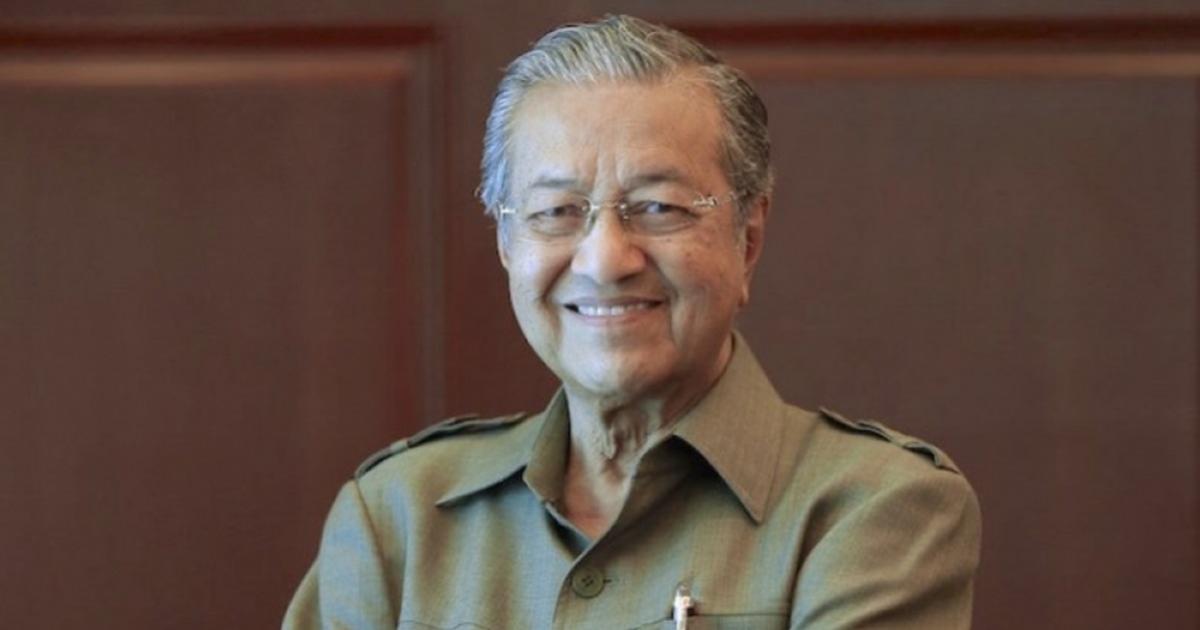
As Tun Dr Mahathir Mohamad turns 101 today, Malaysia is celebrating more than the birthday of a former prime minister. The occasion offers a moment to consider how deeply his ideas, ambitions and working habits have shaped the country’s modern identity. Few leaders have remained so closely associated with Malaysia’s journey from a largely commodity-based economy to an industrial, connected and internationally recognised nation. His years in public life covered several generations, yet his central message remained remarkably consistent: a country must believe in its own ability before others will believe in it. OIC Today’s Writer and Editor, Dr. Abu Sufian writes about this legendary politician and giant public figure.
Born in Alor Setar, Kedah, on July 10, 1925, Mahathir began his professional life as a doctor. That medical training became an important part of his public image and leadership method. He often approached national problems as conditions that required diagnosis, treatment and steady follow-up. He valued facts, discipline and practical results, and he was rarely satisfied with temporary relief when he believed a deeper solution was possible. This habit of looking at the whole system helped define many of the development programmes linked to his name.
Mahathir became Malaysia’s fourth prime minister in July 1981 and served until 2003. He later returned as the country’s seventh prime minister from 2018 to 2020, becoming one of the world’s oldest heads of government. His first period in office came when Malaysia was seeking a stronger place in a fast-changing Asian economy. Agriculture and natural resources remained important, but he believed the nation needed manufacturing, technology and skilled workers to secure long-term progress. His answer was a broad programme of industrial growth, infrastructure building and national confidence.
During the 1980s and 1990s, Malaysia expanded its manufacturing base and became more closely connected to regional and global trade. Factories, industrial estates and new business centres created employment while increasing the country’s technical experience. Foreign investment played a major role, but Mahathir also wanted Malaysians to develop their own companies, managerial skills and industrial knowledge. He argued that development should not leave the country permanently dependent on imported expertise. Malaysia had to learn, produce and compete under its own name.
The national car project, Proton, became one of the clearest expressions of that thinking. It was not simply about placing a Malaysian badge on a vehicle. The project represented a larger desire to build engineering skills, supplier networks, industrial management and public confidence in local production. Like any major industrial effort, it faced challenges and required years of improvement. Yet its importance lay in the signal it sent: Malaysians could enter industries once considered beyond the reach of a developing country.
Mahathir’s era is also remembered through the physical transformation of Malaysia. The PETRONAS Twin Towers, Kuala Lumpur International Airport, Putrajaya and the Multimedia Super Corridor became prominent signs of a country preparing for a larger role in the world economy. Highways, ports, telecommunications and urban services supported business growth and made movement easier for people and goods. These projects changed how Malaysia was seen abroad, but they also changed how Malaysians saw their own country. Modern infrastructure became part of a wider national belief that Malaysia could plan and complete projects of international standing.
His best-known statement of national ambition was Vision 2020, introduced in 1991. The goal was not limited to higher income or larger buildings. It described a developed Malaysia as a united, confident, knowledgeable, ethical and economically competitive society. This wider definition remains one of the most useful parts of the idea. It reminded citizens that national progress includes institutions, education, social responsibility and a shared sense of direction.
Vision 2020 also changed the language of public planning. It encouraged government agencies, businesses, universities and ordinary Malaysians to think beyond annual targets and immediate needs. A distant date became a point on the national horizon, giving different sectors a common reference. Not every goal was reached in the exact way originally imagined, but the habit of setting a bold national destination remained influential. Later development plans continued to use long-term targets and measurable national aims.
Another major part of Mahathir’s approach was the Look East Policy, introduced in 1982. Malaysia sought lessons from Japan and South Korea, especially in work discipline, technical education, industrial organisation and quality control. The policy did not call for simple imitation. Its purpose was to study successful Asian experiences and adapt useful practices to Malaysian conditions. Thousands of Malaysians gained exposure to education, training and workplace methods in East Asia, strengthening links that continue to benefit trade and professional exchange.
Education held a central place in this national programme. Mahathir repeatedly stressed science, mathematics, medicine, engineering and technical training because he saw skilled people as the true foundation of an advanced economy. Buildings and machines could be purchased, but a nation’s ability to use, repair and improve them depended on human knowledge. Universities expanded, professional training received greater attention, and technology became a regular subject in national debate. The message was plain: Malaysia’s future would depend on what its people knew and what they could make.
His interest in information technology was especially forward-looking for the period. The Multimedia Super Corridor promoted digital industries, communications and technology-based services when the internet was still new to much of the public. It signalled that Malaysia did not want to remain only a manufacturing centre for established products. The country also wanted to take part in the emerging knowledge economy. Today, as artificial intelligence, digital finance and online services reshape business, that early emphasis on technological readiness still carries relevance.
Mahathir’s influence extended beyond Malaysia. He became a recognisable voice from Asia and the developing world, often urging smaller countries to strengthen their economies, improve education and speak with greater confidence. Within the Muslim world, his message frequently centred on self-reliance, scientific learning, trade and practical cooperation. He wanted Muslim-majority nations to become producers of knowledge and technology, not only consumers. This outlook remains closely connected to the aims of organisations and institutions seeking stronger economic ties across OIC member states.
Malaysia’s own progress gave weight to that message. The country presented an example of how a Muslim-majority society could expand modern industry, build advanced infrastructure, welcome global business and maintain a distinct national character. Its growth in Islamic finance, halal industries, higher education and international trade added further substance to its role. Mahathir did not regard cultural confidence and modern development as opposing choices. In his view, a nation could remain rooted in its values while becoming more capable, productive and outward-looking.
His personal habits also became part of his public influence. Mahathir has long been associated with punctuality, reading, writing, careful schedules and an unusually strong attachment to work. Even at an advanced age, he has continued to speak, write and follow public affairs. On his 101st birthday, the relaunch of his Chedet website offers a fitting image of that lifelong engagement with ideas. Rather than treating age as a reason to disappear from public thought, he has continued to record his views and communicate with new generations.
For many Malaysians, Mahathir’s greatest influence may be psychological. He helped raise expectations about what the country could attempt. A Malaysian-made car, a modern administrative capital, globally recognised towers and an international airport were not only economic projects; they were statements of possibility. They encouraged citizens to compare Malaysia with advanced economies and ask why the country could not reach similar standards. That confidence, once planted, became difficult to reverse.
His leadership also showed the value of connecting separate development goals. Industrial growth needed roads and ports, while technology required education and reliable communications. Investment needed stable institutions, and national ambition needed citizens who believed the effort was worthwhile. By presenting these needs as parts of one national programme, Mahathir gave development a sense of movement and urgency. The method was demanding, but it helped turn policy language into visible change.
At 101, Mahathir belongs to a rare group of leaders who have lived long enough to see early national plans become history, institutions and everyday life. Malaysians now use highways, airports, business districts and digital systems that grew from decisions made decades ago. Younger citizens may prefer new priorities or methods, but they still live in a country shaped by the scale of ambition associated with his era. Influence of that size does not vanish when a term of office ends.
The strongest lesson from his career is not that every country should copy the Malaysian experience. It is that national advancement requires patience, confidence and continuous investment in people. Countries must understand their own strengths, learn from others and then build the ability to stand on their own. They also need leaders and institutions willing to think beyond the next budget, election or business cycle. Mahathir’s development thinking repeatedly returned to this principle of purposeful independence.
As Malaysia honours Tun Dr Mahathir Mohamad on his 101st birthday, the day carries both warmth and historical weight. It celebrates a doctor who became a national leader, a planner who asked his country to think decades ahead, and an elder statesman whose name remains closely tied to modern Malaysia. The towers, roads and industries are visible parts of his legacy, but the larger inheritance is a habit of national ambition. His life continues to remind Malaysians, and many across the Muslim world, that progress begins when a society decides it is capable of more.
Dr. Abu Sufian
Writer, OIC TODAY Business and Investment Magazine
E-mail:sufian.imon@oictoday.biz
- Business News 116
- Country News 16
- Feature News 67
- International News 241
- Interview News 36
- National News 37