



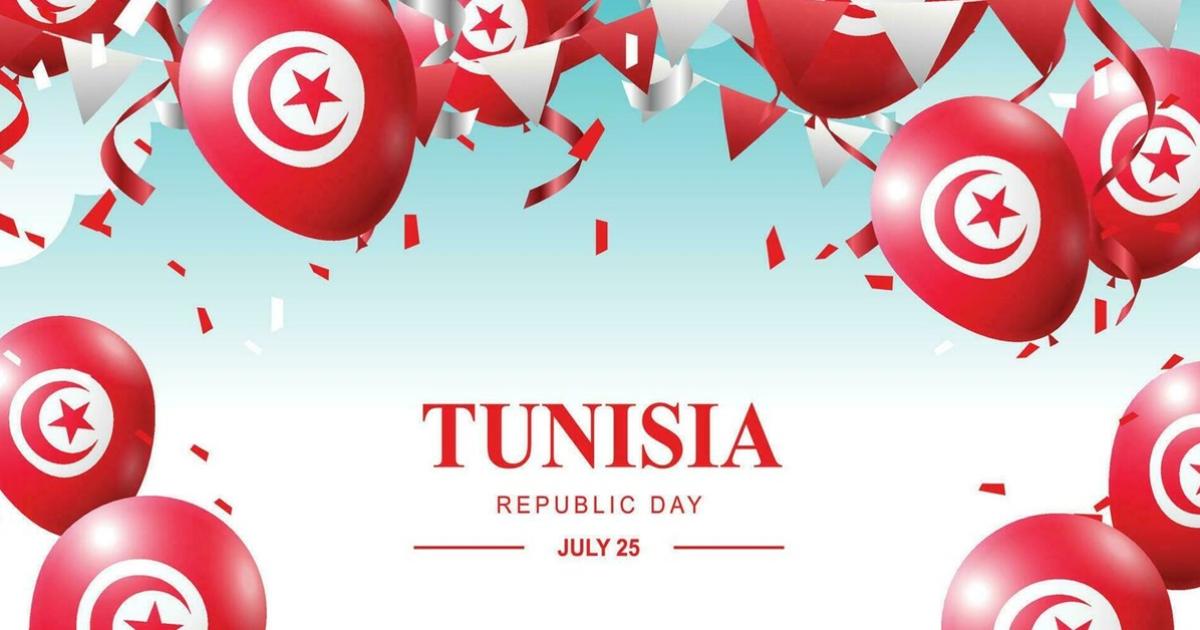
Tunisia celebrates Republic Day on 25 July, marking 69 years since the republic was proclaimed in 1957. The national occasion comes a little more than a year after the country commemorates the independence it achieved on 20 March 1956. Republic Day invites Tunisians to remember a major stage in the formation of their modern state while celebrating their common identity. Across the country, the red-and-white national flag gives the day a clear and recognisable symbol of unity.
On 25 July 1957, Tunisia’s National Constituent Assembly ended the monarchy and formally declared the Republic of Tunisia. Habib Bourguiba became the country’s first president, opening a new chapter in national administration and public life. The anniversary remains one of the main dates on Tunisia’s calendar because it represents the establishment of the republican state. Today’s commemoration honours that historical moment without losing sight of the country’s much older cultural roots.
Republic Day is observed through official ceremonies, public messages and programmes that recall Tunisia’s history. Cultural institutions, media outlets and community groups use the occasion to present music, documentaries, exhibitions and educational content. Families also spend time together during the public holiday, while flags decorate streets, buildings and public squares. The celebration gives Tunisians at home and abroad an opportunity to express affection for their country and hopes for its continued development.
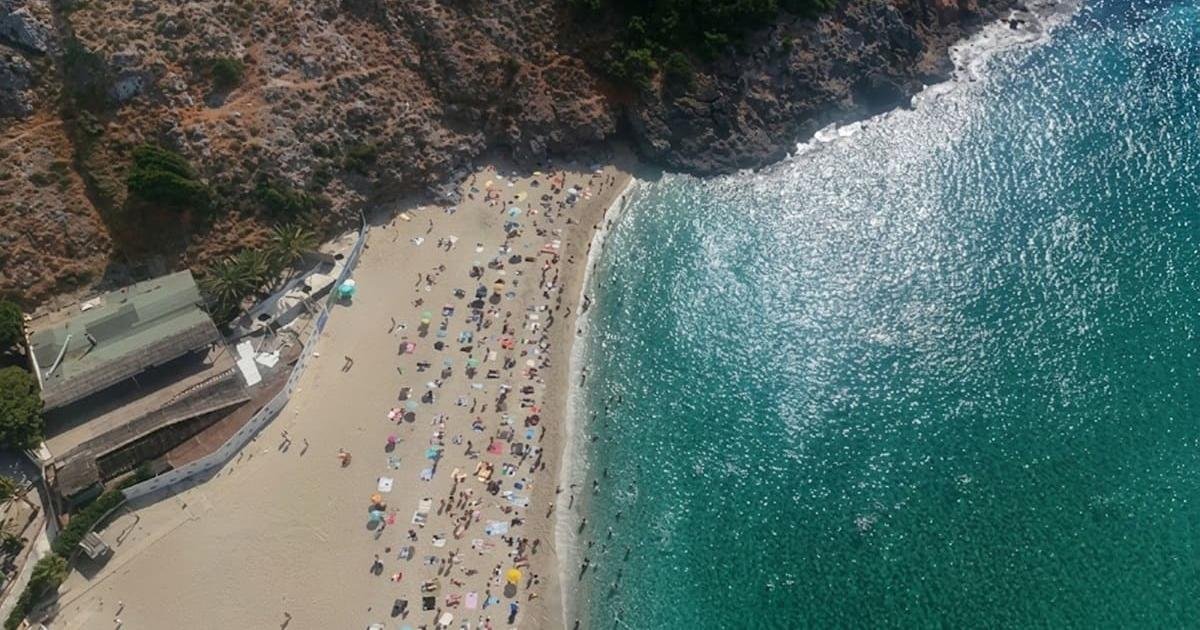
Situated in North Africa, Tunisia faces the Mediterranean Sea and shares land borders with Algeria and Libya. Its geography changes considerably from north to south, with fertile farmland, coastal plains, hills, the eastern end of the Atlas Mountains and the northern reaches of the Sahara. The country has about 1,300 kilometres of coastline, supporting fishing, ports, tourism and maritime trade. Cape Angela, near Bizerte, is the northernmost point of the African continent and reflects Tunisia’s close connection with the Mediterranean.
Tunis, the capital, brings together modern neighbourhoods and an old medina filled with mosques, markets and traditional buildings. Nearby Carthage recalls one of the most important civilisations of the ancient Mediterranean, while the remains of Dougga and the amphitheatre of El Jem preserve other periods of history. Kairouan is known for its Great Mosque and its place in Islamic learning, and the island of Djerba carries distinctive religious, architectural and commercial traditions. Places such as Sidi Bou Said add another familiar image through white houses, blue doors and views of the sea.
Arabic is the official language, while Tunisian Arabic shapes everyday conversation and French is also widely used. The country’s culture reflects Arab, Amazigh, African, Mediterranean and Islamic influences developed over many centuries. Malouf music, ceramics, mosaics, woven textiles and metalwork remain valued forms of expression. Tunisian food, including couscous, brik, dates, olive oil and harissa, is closely connected with family life, regional customs and the agricultural products of the country.
Islam holds a central place in Tunisia’s national identity, and historic centres such as Kairouan show the country’s contribution to Islamic scholarship and architecture. Mosques, charitable customs and religious occasions remain important in communities throughout the country. Tunisia’s membership in the Organisation of Islamic Cooperation connects it with other Muslim-majority countries through education, culture, trade, science and social development. Republic Day offers a suitable moment to recognise these bonds alongside Tunisia’s African and Mediterranean ties.
Tunisia’s economy combines services, manufacturing, agriculture, tourism and technology. Olive oil and dates are among its best-known agricultural exports, while textiles, automotive components, electrical equipment and aerospace parts support industrial employment. Tourism draws visitors to beaches, historic towns, archaeological sites and desert communities. The country’s location near European and African markets also gives Tunisian companies opportunities in trade, transport and specialised production.
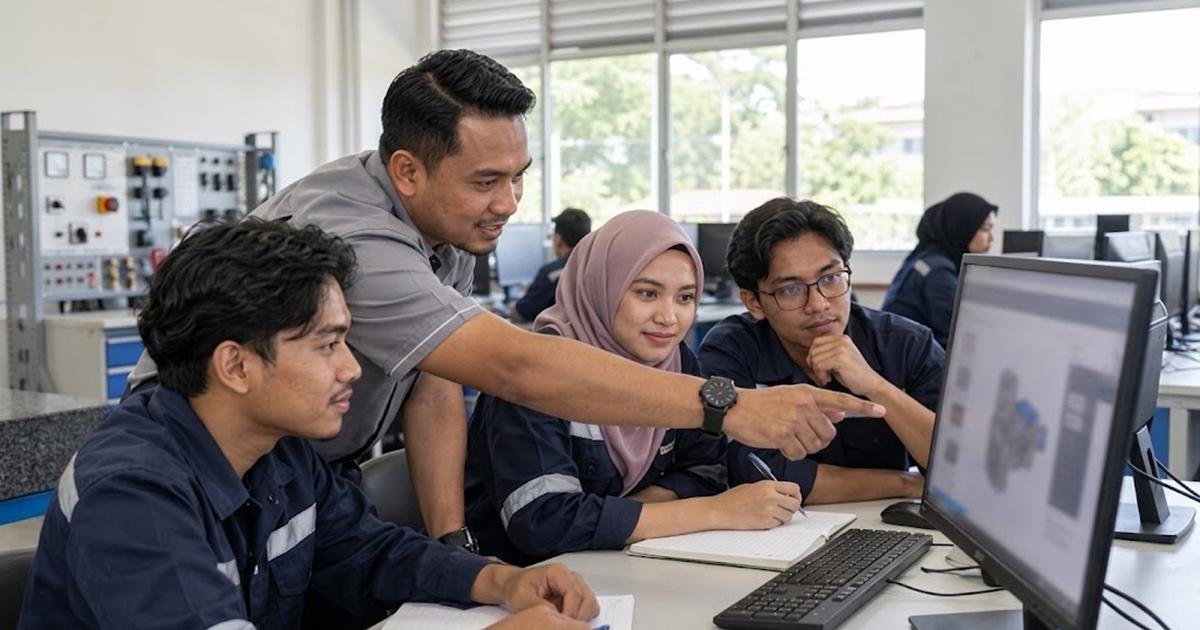
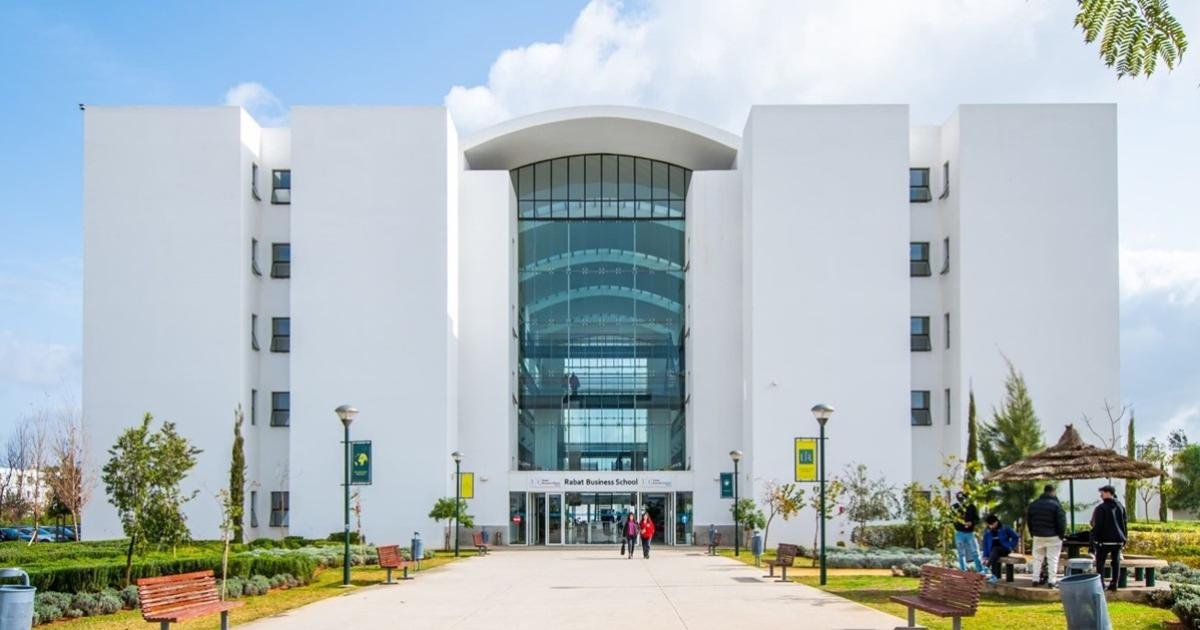
Education has long been viewed as an important national resource, and Tunisia has developed a large community of graduates, engineers, doctors, teachers and researchers. Young people are active in software, design, digital services, renewable energy and new businesses. Greater access to training, finance and markets can help these skills create more jobs and stronger local companies. The spirit of Republic Day therefore reaches beyond remembrance and encourages practical work for the next generation.
As Tunisia celebrates Republic Day today, it honours a modern national milestone and a heritage that reaches from Carthage to Kairouan and from the Mediterranean coast to the Sahara. The occasion belongs to citizens in every region and to Tunisian communities around the world. It celebrates the country’s language, faith, food, creativity and economic ability. Above all, Republic Day expresses hope that shared responsibility, knowledge and respect for national heritage will guide Tunisia towards wider opportunity and lasting progress.
- Business News 116
- Country News 16
- Feature News 67
- International News 240
- Interview News 36
- National News 37