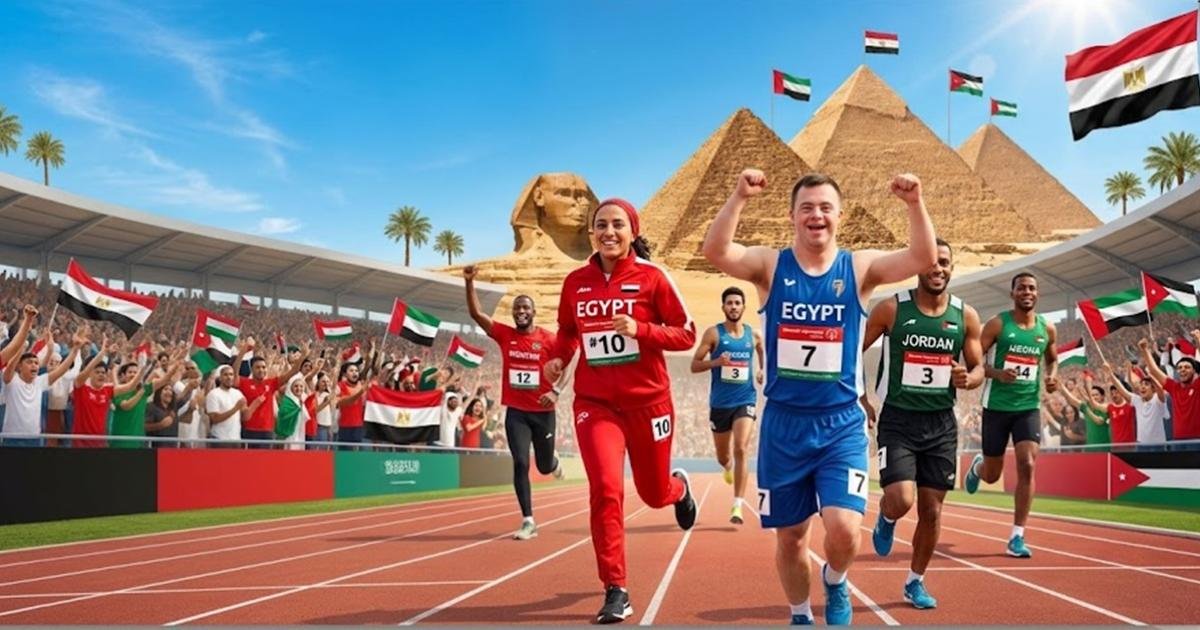




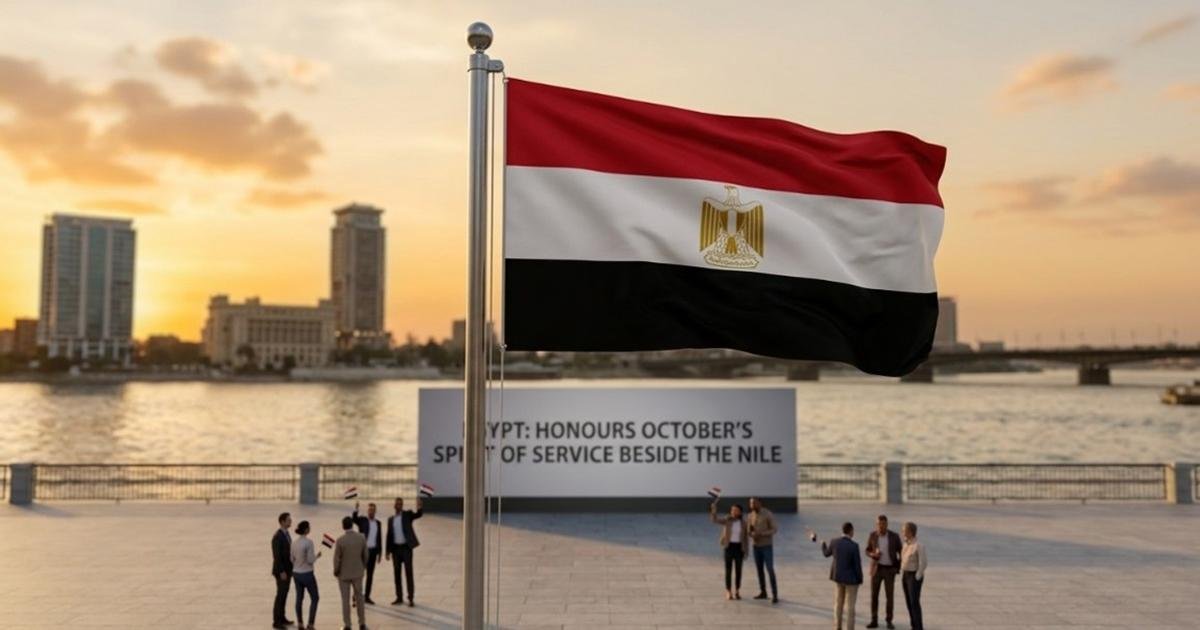
Egypt observes Armed Forces Day today, 6 October, honouring the service and sacrifice associated with the events of 1973. This year marks the 53rd anniversary of the October War, including the Egyptian armed forces’ crossing of the Suez Canal. The occasion holds a strong place in national memory and brings gratitude to those who served and the families who supported them. Its meaning also extends to the shared responsibility of building a secure, educated and prosperous society.
For Egyptians, the anniversary connects national history with personal remembrance. Accounts passed through families give younger generations a human understanding of courage, discipline and duty. Commemorative traditions offer space to honour service without losing sight of the value of peace. Recognising those contributions gives the day a broad sense of national belonging.
Egypt’s identity is closely linked to the Nile, which has supported settlement and agriculture for thousands of years. Most communities live near its valley and delta, where water connects towns, fields and major cities. Cairo is the capital and a leading centre of culture, education and commerce. Alexandria opens onto the Mediterranean, while Upper Egypt preserves important links with ancient history. Beyond the river are deserts, oases and coastlines that give the country further variety.
The country’s ancient inheritance is known around the world, yet it remains a source of discovery and learning. The pyramids at Giza, the temples of Luxor and the monuments of Aswan introduce visitors to societies with exceptional knowledge of building, administration and art. Museums and archaeological research help explain these achievements in greater detail. Preserving them supports education as well as tourism.
Egypt’s cultural history also includes Islamic and Coptic architecture, scholarship and community traditions. Historic Cairo preserves mosques, churches, streets and buildings connected with many centuries of urban life. Al-Azhar has a longstanding place in Islamic education, while Egypt’s wider institutions contribute to science, medicine, literature and public debate. Arabic is the national language, expressed in both formal writing and the familiar rhythms of Egyptian speech. These traditions give the country a voice recognised across the Arab world.
Cinema, music and literature have helped make that voice widely familiar. Egyptian films and television programmes reach audiences throughout the region, while the work of writers such as Naguib Mahfouz has introduced international readers to Egyptian life. Songs associated with major performers remain part of family memory across generations. Contemporary artists continue to explore new forms in music, design and visual art. Cultural work also creates employment and supports the country’s presence abroad.
Daily hospitality gives national life a warmer, more personal character. Ful medames, koshari, taameya, breads and regional dishes bring together simple ingredients in meals enjoyed across many households. Tea and conversation help guests feel at home, whether in a city neighbourhood or a rural community. Markets connect farmers, bakers, traders and customers through relationships built over time. During an anniversary, these ordinary exchanges remind people that belonging is lived through care for one another.
Egypt’s location connects Africa, Asia and the Mediterranean world. The Suez Canal is an important passage for international shipping, while ports, factories, farms and service businesses contribute to the economy. Agriculture produces grains, fruit, vegetables and cotton, supported by the Nile and extensive local knowledge. Manufacturing, tourism, telecommunications and other services offer further opportunities. Better skills, efficient resource use and reliable infrastructure can help these sectors support more families and strengthen national prosperity.
The Red Sea’s reefs, desert habitats and protected areas add a valuable natural side to Egypt’s appeal. Responsible tourism can create livelihoods while encouraging care for coastal and inland environments. Water efficiency is equally important in a country where agricultural and urban needs depend heavily on a shared river. Universities, researchers and young entrepreneurs can contribute practical ideas in these fields. Their work links national ambition with the resources needed by future generations.
Egypt is a founding member of the Organisation of Islamic Cooperation and brings considerable experience in education, religious scholarship, healthcare and regional commerce. Partnerships can support professional exchange, research and opportunities for businesses and students. Young Egyptians, including women entering a wide range of careers, have much to contribute to those relationships. Investing in their knowledge gives national service a modern expression. The country’s cultural influence makes such exchange especially valuable across the OIC community.
On 6 October, Egypt honours the memory of service while celebrating a nation with deep historical roots and many present-day strengths. The anniversary offers gratitude to those whose duty became part of the national story. It also recognises citizens who build, teach, heal and produce through patient daily effort. Beside the Nile and across the country, today’s lasting message is respect for sacrifice and confidence in the work that supports peace, dignity and opportunity.
- Business News 112
- Country News 16
- Feature News 63
- International News 232
- Interview News 36
- National News 34