



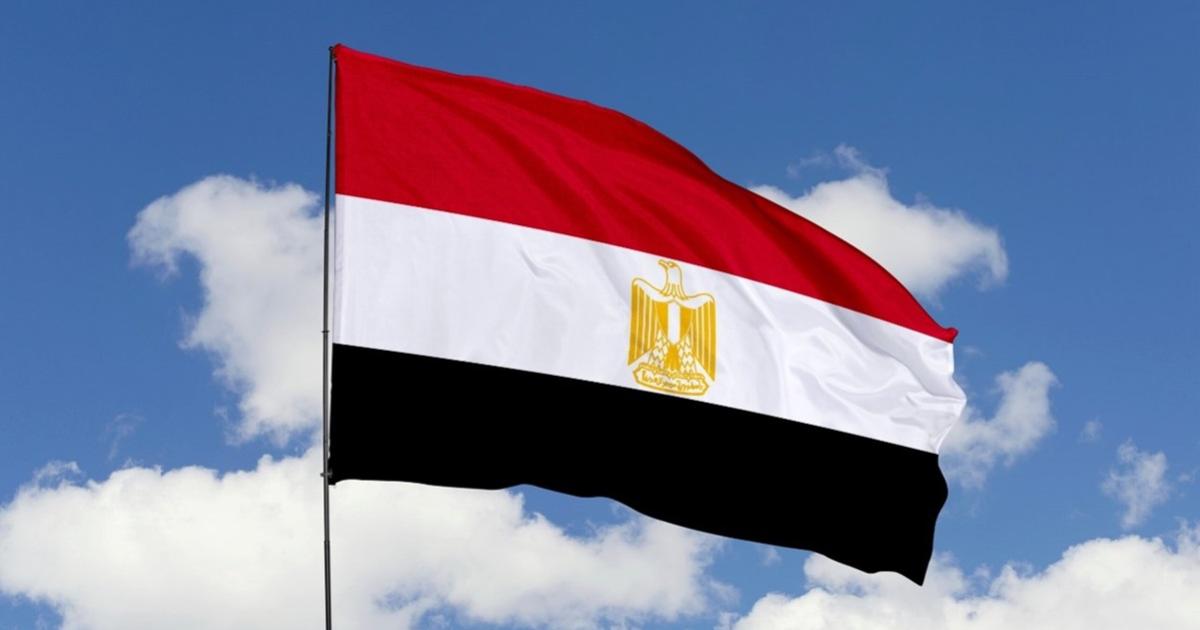
Egypt celebrates Revolution Day on 23 July, marking the 74th anniversary of the 1952 movement that changed the country’s modern history. Also observed as Egypt’s National Day, the occasion recalls the end of the monarchy and the beginning of the path towards a republic. It is a public holiday and a time for Egyptians to honour national dignity, remember earlier generations and express confidence in the country’s future. Flags, public messages and cultural programmes give the anniversary a strong sense of national pride.
The events began during the night of 22–23 July 1952, when the Free Officers Movement took control of key institutions in Cairo. Mohamed Naguib and Gamal Abdel Nasser became the best-known figures associated with the movement, which led to the abdication of King Farouk. Egypt formally became a republic in June 1953, with Naguib serving as its first president. The anniversary is remembered today as a major point in the country’s search for sovereignty, social development and a stronger national voice.
Revolution Day carries historical weight, but its public character is also celebratory. Television channels show patriotic films, songs and special programmes, while cultural venues and community groups hold activities connected with Egyptian history and identity. Families use the holiday to spend time together, and national flags appear in streets and public spaces. The day gives citizens an opportunity to remember the past without losing sight of the work still required to improve life for future generations.
Egypt occupies a central place between Africa, the Arab region and the Mediterranean world. Most of its population lives close to the Nile, whose water and fertile banks have supported settlement, agriculture and trade for thousands of years. The country also faces the Mediterranean and Red seas, while the Sinai Peninsula forms a land connection between Africa and Asia. The Suez Canal adds further importance by linking major international shipping routes and supporting trade, transport and industry.
Cairo, the capital, is one of the largest and most influential cities in Africa and the Arab world. Alexandria carries a long Mediterranean history, while cities and villages across the Nile Delta and Upper Egypt contribute their own customs, foods and local traditions. Egypt’s ancient sites, including the pyramids at Giza, temples along the Nile and monuments at Luxor, are known across the world. Islamic Cairo, Coptic heritage, historic mosques and old neighbourhoods show the many periods that have shaped the nation.
Arabic is the official language, and Egyptian Arabic is widely understood throughout the region through cinema, music and television. Egypt has long been a major centre for publishing, theatre, film, religious learning and higher education. Al-Azhar, founded more than a thousand years ago, remains an important institution of Islamic scholarship. Writers, artists, musicians and filmmakers continue to add energy to the country’s cultural life and carry Egyptian ideas to audiences far beyond its borders.
The Egyptian economy includes manufacturing, agriculture, construction, tourism, energy, communications, finance and transport. Farmers continue to produce food along the Nile Valley and Delta, while factories make goods ranging from textiles and food products to chemicals and building materials. Tourism supports many communities through Egypt’s archaeological sites, Red Sea destinations and cultural attractions. The Suez Canal Economic Zone is also being developed as a centre for logistics, industry and international commerce.
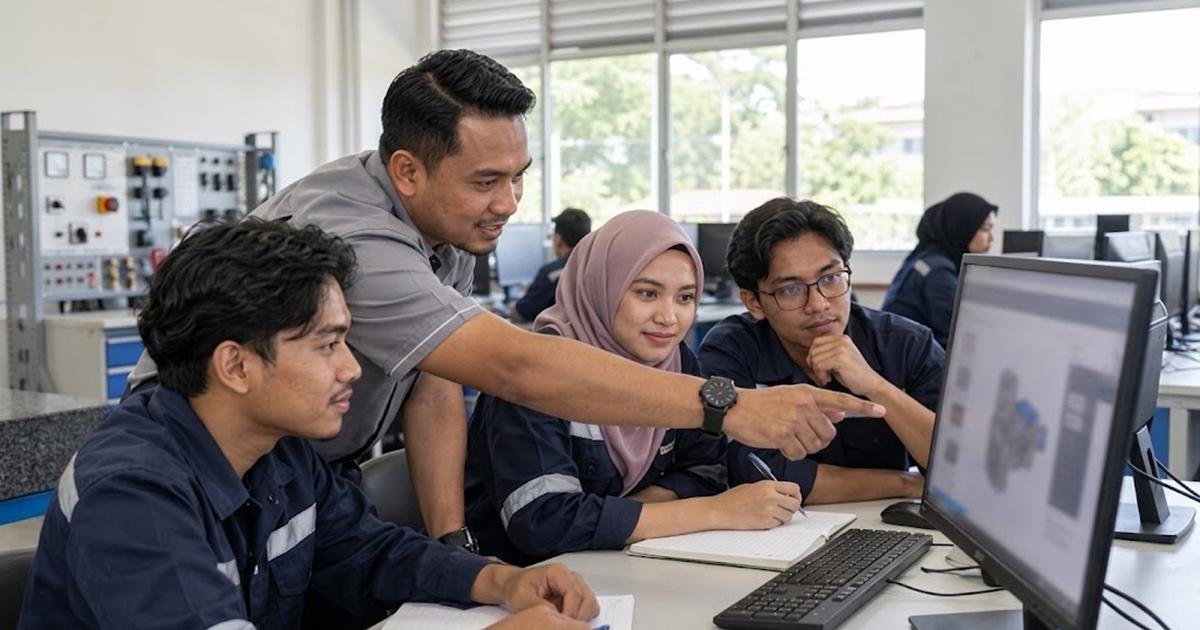
Egypt’s young population gives the country considerable ability to expand skills, enterprise and creative work. Universities, technical institutes and training programmes prepare students for fields such as engineering, medicine, information technology and renewable energy. Young Egyptians are increasingly active in startups, digital services, design and small business. Revolution Day can therefore be seen not only as a historical anniversary but also as a call to invest in knowledge, employment and practical opportunity.
As a founding member of the Organisation of Islamic Cooperation, Egypt has long-standing connections with countries across Africa, Asia and the Middle East. It contributes to cooperation in education, culture, science, trade and Islamic affairs. Egyptian universities and religious institutions welcome learners from many OIC countries, strengthening links between communities. These exchanges reflect Egypt’s role as a meeting point for Arab, African, Mediterranean and Islamic traditions.
As Egypt marks Revolution Day today, the nation celebrates a history extending far beyond a single event. The anniversary honours the change that began in 1952, while also recognising the everyday achievements of farmers, workers, teachers, entrepreneurs, artists and young people. From the Nile to the Mediterranean and from Cairo to the country’s smallest communities, Egyptians share a deep attachment to their homeland. The day closes with pride in Egypt’s heritage and hope for a future built on knowledge, unity and steady progress.
- Business News 116
- Country News 16
- Feature News 67
- International News 241
- Interview News 36
- National News 37