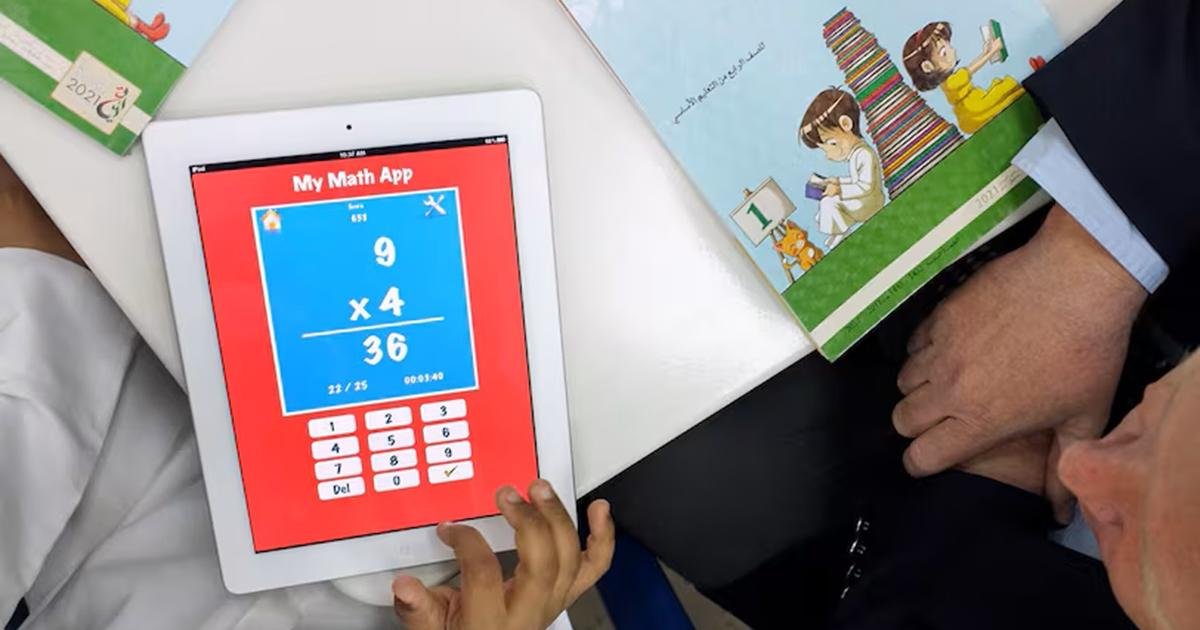





Kazakhstan plans to introduce artificial intelligence-based learning technology in 2,600 small rural schools as part of an effort to reduce differences in education quality between cities and remote communities. Education Minister Zhuldyz Suleimenova announced the programme during a government meeting. The first phase will begin on September 1, 2026, in 10 schools in the Pavlodar and Kyzylorda regions.
The initial work will test how AI-supported tools can assist schools that have relatively small numbers of pupils and limited access to specialist resources. A wider pilot stage is expected to cover 500 small-enrolment schools across the country. Kazakhstan then plans to extend the system gradually to all 2,600 such secondary schools by 2029.
Suleimenova said the project is intended to narrow the education-quality gap between urban and rural schools. Small-enrolment institutions remain an important part of Kazakhstan’s education system because they serve families spread across large and lightly populated areas. A phased launch will allow the ministry to assess how the technology works in different regions before applying it nationwide.
The minister also reported further progress in digital school administration. More than 88.7 per cent of first-grade applications were submitted online this year through the QazTech platform as part of the unified OQU system. First-grade enrolment began on May 27 and will continue until August 31, giving parents an online route for completing procedures without visiting a school in person.
- Business News 116
- Country News 16
- Feature News 67
- International News 240
- Interview News 36
- National News 37