



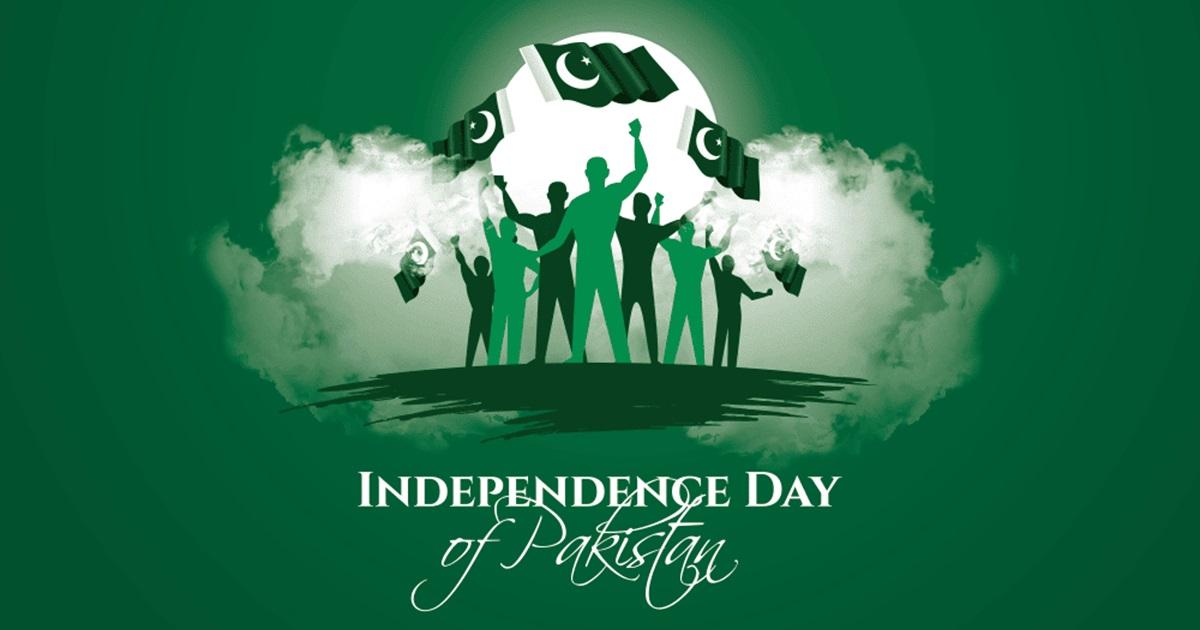
Pakistan celebrates Independence Day today, 14 August, remembering the birth of the country in 1947 and the hopes that accompanied its journey as a sovereign nation. Across Islamabad, Karachi, Lahore, Peshawar, Quetta and communities nationwide, the green and white flag brings streets, homes and public spaces to life. Ceremonies, national songs, cultural programmes and family gatherings give the day a joyful spirit. Pakistanis living abroad also join the occasion, carrying their connection to the country across generations and continents.
The anniversary recalls the leadership of Quaid-e-Azam Muhammad Ali Jinnah and the efforts of the people who supported the movement for an independent homeland. Independence brought the responsibility of building institutions, welcoming millions of displaced people and creating a shared national identity. Today, the occasion honours that early determination while inviting citizens to think about the country they want to pass on to future generations. It is a day of memory, gratitude and renewed confidence.
Pakistan stretches from the Arabian Sea in the south to some of the world’s highest mountain ranges in the north. The Indus River and its tributaries support farms, cities and communities across much of the country, while the Karakoram, Himalaya and Hindu Kush give the northern regions extraordinary natural beauty. K2, the world’s second-highest mountain, stands among peaks that attract climbers and travellers from many nations. Coastal areas, fertile plains, deserts, plateaus and mountain valleys give Pakistan a remarkable variety of places and ways of life.
The country’s historical roots reach back thousands of years. Mohenjo-daro and other sites of the Indus civilisation show that advanced urban communities flourished in this region in ancient times. Taxila reflects later periods of learning and cultural exchange, while Lahore, Multan, Peshawar and Thatta preserve architecture, poetry and traditions from many centuries. This long record gives modern Pakistan a deep connection to South Asian, Central Asian, Persian and Islamic history.
Pakistan’s people give the national celebration its colour and warmth. Urdu serves as a national language and English is widely used in public life, while Punjabi, Sindhi, Pashto, Balochi, Saraiki and many other languages express strong regional identities. Music, poetry, embroidery, truck art, pottery and textile traditions differ across provinces yet remain familiar parts of the national story. Hospitality and generous food are equally important, from biryani and kebabs to regional breads, sweets and festive dishes shared with relatives and neighbours.
The economy is supported by agriculture, textiles, manufacturing, services, trade and a growing technology sector. Pakistan is known internationally for cotton products, rice, sports goods, surgical instruments and a wide range of manufactured exports. Software services, digital payments, online businesses and start-ups are opening new paths for young professionals. The country’s location also gives it strong potential to connect markets across South Asia, Central Asia, China, the Middle East and the wider Indian Ocean region.
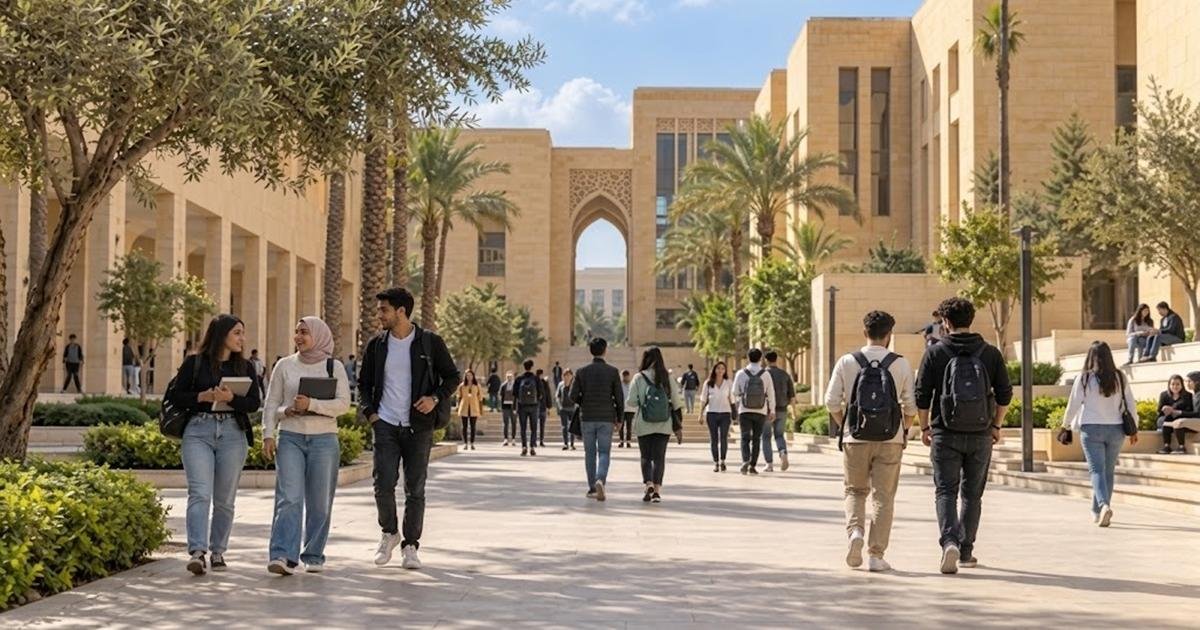
Young people form a large part of Pakistan’s population and carry much of its future promise. Students, researchers, business founders, artists and community volunteers are finding new ways to address local needs and reach global audiences. Better education, practical training, health services and access to finance can help turn their energy into lasting progress. Independence Day places their ambitions at the centre of the national conversation, reminding the country that freedom must be supported by opportunity.
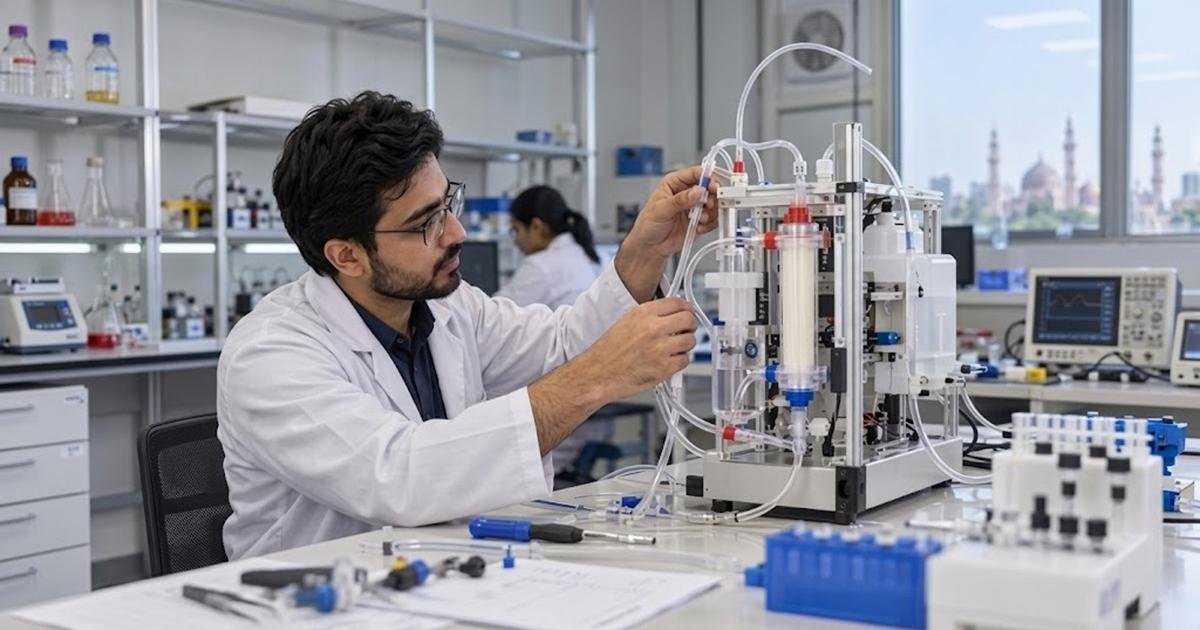
Pakistan also holds an important place in the Organisation of Islamic Cooperation. It works with fellow OIC members in trade, education, humanitarian support, science, culture and international dialogue. Islamabad is home to the secretariat of COMSTECH, the OIC ministerial standing committee for scientific and technological cooperation. This role reflects Pakistan’s long support for research links, training and knowledge exchange across the Muslim world.
The national day is also an opportunity to celebrate the contribution of Pakistanis beyond the country’s borders. Doctors, engineers, teachers, entrepreneurs, workers and artists in the global Pakistani community support families, build professional links and introduce the country’s culture to wider audiences. Their achievements add another chapter to Pakistan’s national journey. Many mark 14 August with flag ceremonies, community events and gatherings that keep a sense of home alive.
As Pakistan celebrates Independence Day today, the country honours its beginnings and looks forward with purpose. The flag represents more than a historical date; it carries the dreams of people seeking peace, dignity, learning and prosperity. From the Indus plains to the northern mountains and the Arabian Sea, the occasion brings citizens together around a shared sense of belonging. For the OIC family and friends around the world, it is a moment to congratulate Pakistan and wish its people a confident and successful future.
- Business News 116
- Country News 16
- Feature News 67
- International News 240
- Interview News 36
- National News 37